StylopediaStylopedia

Moody styles on Stylopedia

A visual encyclopedia of moody styles – use as prompt inspiration for Midjourney, Gemini, or ChatGPT AI when making moody images

Example of visual style of Andrew Kevin Walker

Andrew Kevin Walker

Andrew Kevin Walker is a renowned American screenwriter known for his dark and gritty visual style. His style emerged in the 1990s and gained recognition through works like the film 'Se7en' released in 1995. Walker's style is characterized by its atmospheric intensity, moody and highly stylized cinematography, and a focus on exploring the dark depths of human nature. His visually striking storytelling often explores themes of crime, psychological turmoil, and moral ambiguity, which made him famous for his unique and haunting visual style.

View StyleExplore Style
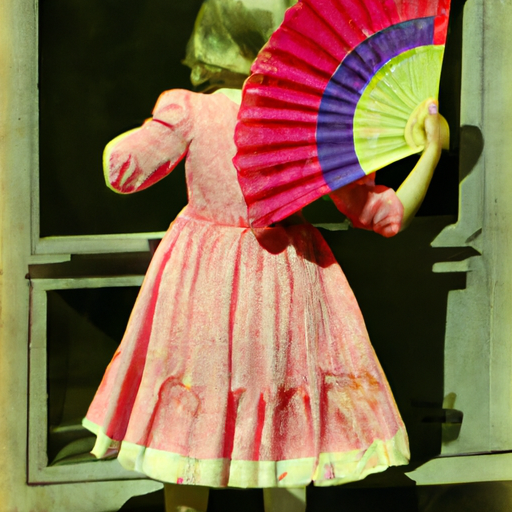
Example of visual style of Charlotte Bronte

Charlotte Bronte

The Charlotte Bronte visual style is characterized by its romantic and gothic elements, often depicted through moody and atmospheric landscapes, dark color palettes, and strong emotional depth. This style emerged in the 19th century and is closely associated with the works of the English author Charlotte Bronte, particularly her novel 'Jane Eyre'. The style became famous for its portrayal of complex female characters and its exploration of social and psychological issues of the time.

View StyleExplore Style
Example of visual style of Darius Khondji

Darius Khondji

Darius Khondji is a French-Iranian cinematographer known for his distinctive visual style characterized by rich and contrasting color palettes, atmospheric lighting, and an organic and textural approach to composition. His unique style became famous in the 1990s with films like 'Se7en' (1995) and 'The City of Lost Children' (1995). Khondji's skillful use of high contrast lighting and manipulation of shadows creates a moody and gritty atmosphere, often enhancing the tension and suspense of the narratives he works on. His expertise in utilizing color temperature to evoke specific moods and emotions further contributes to the visually striking and immersive nature of his work.

View StyleExplore Style
Example of visual style of Dashiell Hammett

Dashiell Hammett

The Dashiell Hammett visual style emerged during the early 20th century and became most prominent in the 1920s and 1930s. It is characterized by dark, moody settings, stark lighting contrasts, and gritty, unsentimental portrayals of urban landscapes. This style gained fame through the works of Dashiell Hammett, an American crime writer known for his hardboiled detective novels. Hammett's writing style, which focused on tough, cynical protagonists and intricate crime plots, greatly influenced the visual representation of his stories.

View StyleExplore Style
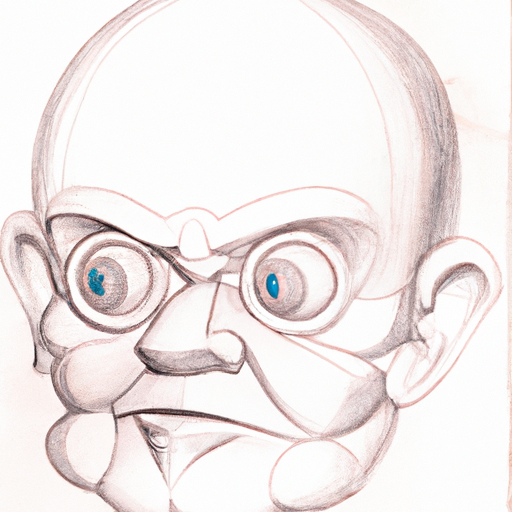
Example of visual style of Death Note

Death Note

The visual style of Death Note is dark and moody, with high contrast lighting and heavy use of shadows. The color palette is mostly muted tones of black, gray, and white, enhancing the intense and suspenseful atmosphere of the story. The distinct character designs and detailed backgrounds contribute to the overall gritty and surreal aesthetic, making Death Note a standout in the anime genre. The anime series was released in 2006 and gained widespread popularity for its unique visual style and compelling narrative.

View StyleExplore Style
Example of visual style of Fight Club

Fight Club

The visual style of Fight Club can be described as dark, gritty, and edgy. The film, released in 1999, became famous for its unique blend of unconventional storytelling, striking cinematography, and atmospheric visuals. The use of low-key lighting, desaturated colors, and high contrast creates a moody and raw aesthetic that complements the themes of rebellion and disillusionment explored in the movie. Fight Club's visual style became influential in the late 90s and early 2000s, inspiring a number of other films and establishing director David Fincher as a master of visual storytelling.

View StyleExplore Style
Example of visual style of Gone Girl

Gone Girl

Gone Girl is a contemporary visual style that gained popularity in the 2010s. It is characterized by its dark and moody atmosphere, sleek and modern aesthetics, and its emphasis on suspense and psychological themes. This style became famous through the film 'Gone Girl' directed by David Fincher, released in 2014. Its combination of sleek cinematography, intense performances, and intricately crafted plot made it a critically acclaimed and commercially successful film, further popularizing the Gone Girl visual style.

View StyleExplore Style

Example of visual style of Hellboy

Hellboy

Hellboy is a visual style that emerged in the comic book series of the same name, created by Mike Mignola in 1993. It is characterized by its dark and gritty aesthetic, blending elements of supernatural horror, pulp fiction, and occult folklore. The visuals often feature heavy use of shadows, contrast, and bold linework to create a sense of atmospheric and moody settings. Hellboy became famous for its unique blend of horror, fantasy, and adventure genres, along with its distinct art style that has influenced numerous artists and illustrators in the comic book industry.

View StyleExplore Style
Example of visual style of John Carpenter

John Carpenter

The visual style of John Carpenter refers to the aesthetic used in the films directed by John Carpenter, primarily in the late 1970s and 1980s. Known for his work in the horror and science fiction genres, Carpenter's visual style is characterized by dark, moody atmospheres, innovative camera work, and atmospheric lighting. His films often feature a sense of isolation and paranoia, with an emphasis on practical effects and suspenseful storytelling. Carpenter's style became famous through films such as Halloween (1978), The Thing (1982), and Escape from New York (1981), which showcased his ability to create tension and terror through his unique visual approach.

View StyleExplore Style
Example of visual style of Lawrence Sher

Lawrence Sher

Lawrence Sher is a cinematographer known for his moody and atmospheric visual style. He gained widespread recognition for his work on the film 'Joker' in 2019. Sher's style is characterized by a gritty and realistic aesthetic, with strong use of shadows and high contrast lighting. His cinematography often evokes a sense of unease and creates a dark atmosphere that enhances the storytelling. Sher has been praised for his ability to capture the psychological depth of characters through his visual choices. His work has been influential in modern cinematography.

View StyleExplore Style
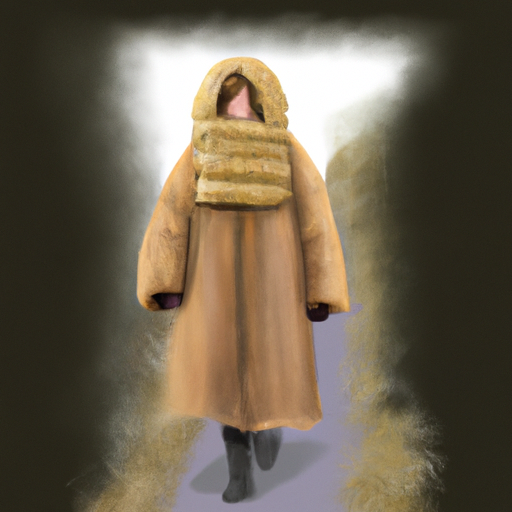
Example of visual style of Robert Eggers

Robert Eggers

Robert Eggers is a filmmaker known for his distinct gothic visual style. His films are characterized by meticulously crafted period settings, dark and moody cinematography, and a focus on folklore and historical authenticity. Eggers rose to fame with his debut film 'The Witch' in 2015, which gained critical acclaim for its atmospheric visuals and emphasis on psychological horror. He further solidified his style with his second feature, 'The Lighthouse' in 2019, which showcased his commitment to recreating 19th-century aesthetics and haunting imagery.

View StyleExplore Style
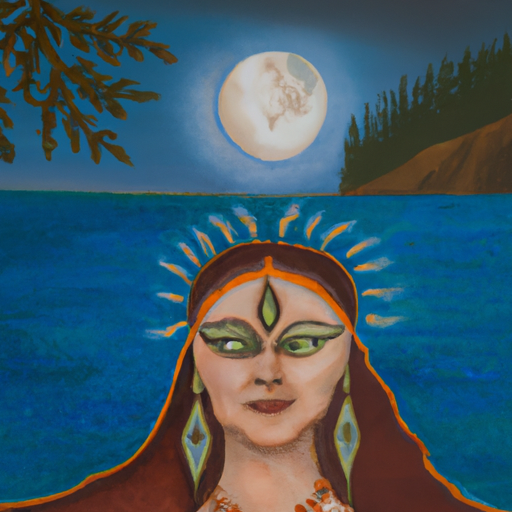
Example of visual style of The Fall

The Fall

The Fall is a visual style characterized by dark and moody aesthetics, primarily used in cinematography and photography. It gained popularity in the late 1990s and early 2000s, and is known for its use of muted colors, heavy shadows, and a sense of melancholy. It features desaturated tones and a reduced color palette, emphasizing the contrast between light and dark. The style often involves incorporating elements of nature and landscapes to create a haunting and atmospheric atmosphere. The Fall became famous for its ability to evoke emotions and tell stories through its unique visual language.

View StyleExplore Style
Example of visual style of Trent Reznor

Trent Reznor

Trent Reznor is known for his dark and atmospheric visual style, which emerged in the late 1980s and gained popularity in the 1990s. His style is characterized by industrial aesthetics, gritty textures, and an emphasis on contrast. Reznor's use of stark lighting and shadows creates a moody and intense atmosphere, often reflecting the themes of his music. This visual style became famous through his work as the frontman of the band Nine Inch Nails and his collaborations with groundbreaking directors like David Fincher in the 2000s.

View StyleExplore Style
Home