StylopediaStylopedia

Modernity styles on Stylopedia

A visual encyclopedia of modernity styles – use as prompt inspiration for Midjourney, Gemini, or ChatGPT AI when making modernity images

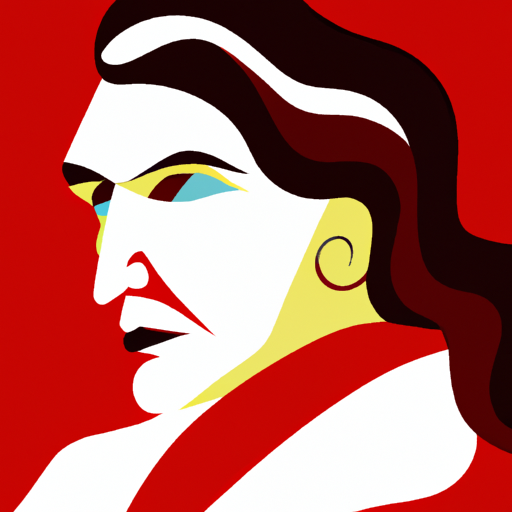
Example of visual style of Filippo Tommaso Marinetti

Filippo Tommaso Marinetti

Filippo Tommaso Marinetti was an Italian poet, artist, and founder of the Futurist movement. The Futurist style emerged in the early 20th century, particularly between 1909 and 1916. Marinetti believed in the rejection of the past and the celebration of modernity, speed, technology, and industrialization. With a focus on dynamism, movement, and energy, Marinetti's style sought to capture the fast-paced nature of the modern world. He expressed his ideas through various mediums, including painting, sculpture, literature, music, and performance. His passionate manifesto, 'The Futurist Manifesto' published in 1909, gained significant attention and marked the beginning of the movement, making him and his style famous.

View StyleExplore Style
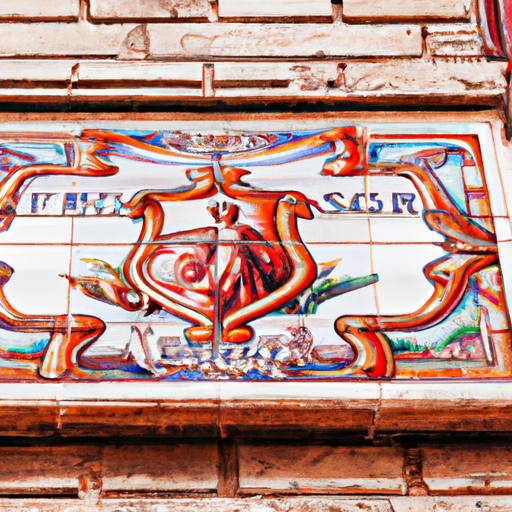
Example of visual style of Futurism

Futurism

Futurism was an artistic and social movement that originated in Italy in the early 20th century, particularly emphasizing speed, technology, youth, and violence. It emerged as a response to the rapid growth in industrialization and scientific advancements of the time. Futurism glorified modernity, dynamism, and the machine age, reflecting a fascination with the future and a rejection of traditional artistic and social conventions. Notable years for Futurism were 1909-1914, with its peak in popularity around 1910. This style was made famous by artists such as Umberto Boccioni, Giacomo Balla, and Gino Severini.

View StyleExplore Style
Example of visual style of Italian Futurism

Italian Futurism

Italian Futurism was an avant-garde movement in the early 20th century that emerged in Italy. It celebrated modernity, speed, technology, and the future. It was founded in 1909 by Filippo Tommaso Marinetti. Italian Futurism gained fame for its energetic and dynamic compositions, depicting movement, machinery, and the energy of modern life. It was characterized by bold colors, fragmented forms, and a sense of speed and motion. The movement was highly influential and had a significant impact on the development of modern art.

View StyleExplore Style
Home