
Aaron Douglas
Aaron Douglas was an African American artist known for his distinctive blend of modernist aesthetics with themes of African American culture and history during the Harlem Renaissance in the 1920s and 1930s.
View StyleExplore Style Stylopedia
A visual encyclopedia of modernist styles – use as prompt inspiration for Midjourney, Gemini, or ChatGPT AI when making modernist images
Aaron Douglas was an African American artist known for his distinctive blend of modernist aesthetics with themes of African American culture and history during the Harlem Renaissance in the 1920s and 1930s.
View StyleExplore Style
Agnes Pelton was an American modernist artist known for her abstract and symbolic paintings that explore spirituality and the desert landscape. She was active from the late 1910s to the 1960s.
View StyleExplore Style
Abdul Wahed was a modernist artist known for his bold use of colors and geometric shapes. Active during the mid-20th century, he gained fame for his abstract and minimalist compositions.
View StyleExplore Style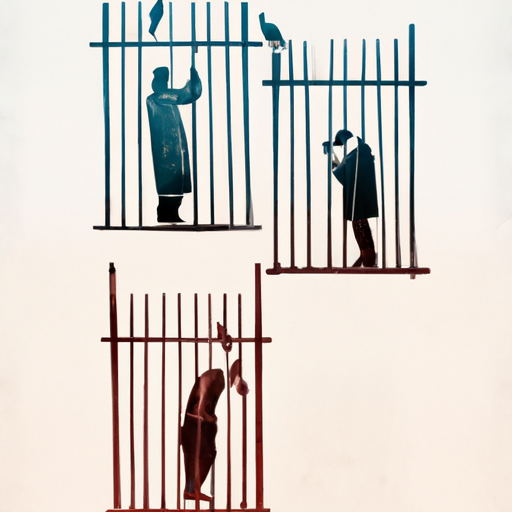
Alexey Brodovitch was a prominent art director and designer known for his innovative work in the field of graphic design. He rose to prominence in the mid-20th century, particularly during his tenure as the art director of Harper's Bazaar from 1934 to 1958. Brodovitch revolutionized editorial design by introducing dynamic layouts, bold typography, and asymmetrical compositions. His use of large-scale photographs and innovative cropping techniques became his trademark and greatly influenced the future of magazine design. Brodovitch's work was characterized by its avant-garde aesthetic, combining a modernist approach with a strong emphasis on visual impact and storytelling.
View StyleExplore Style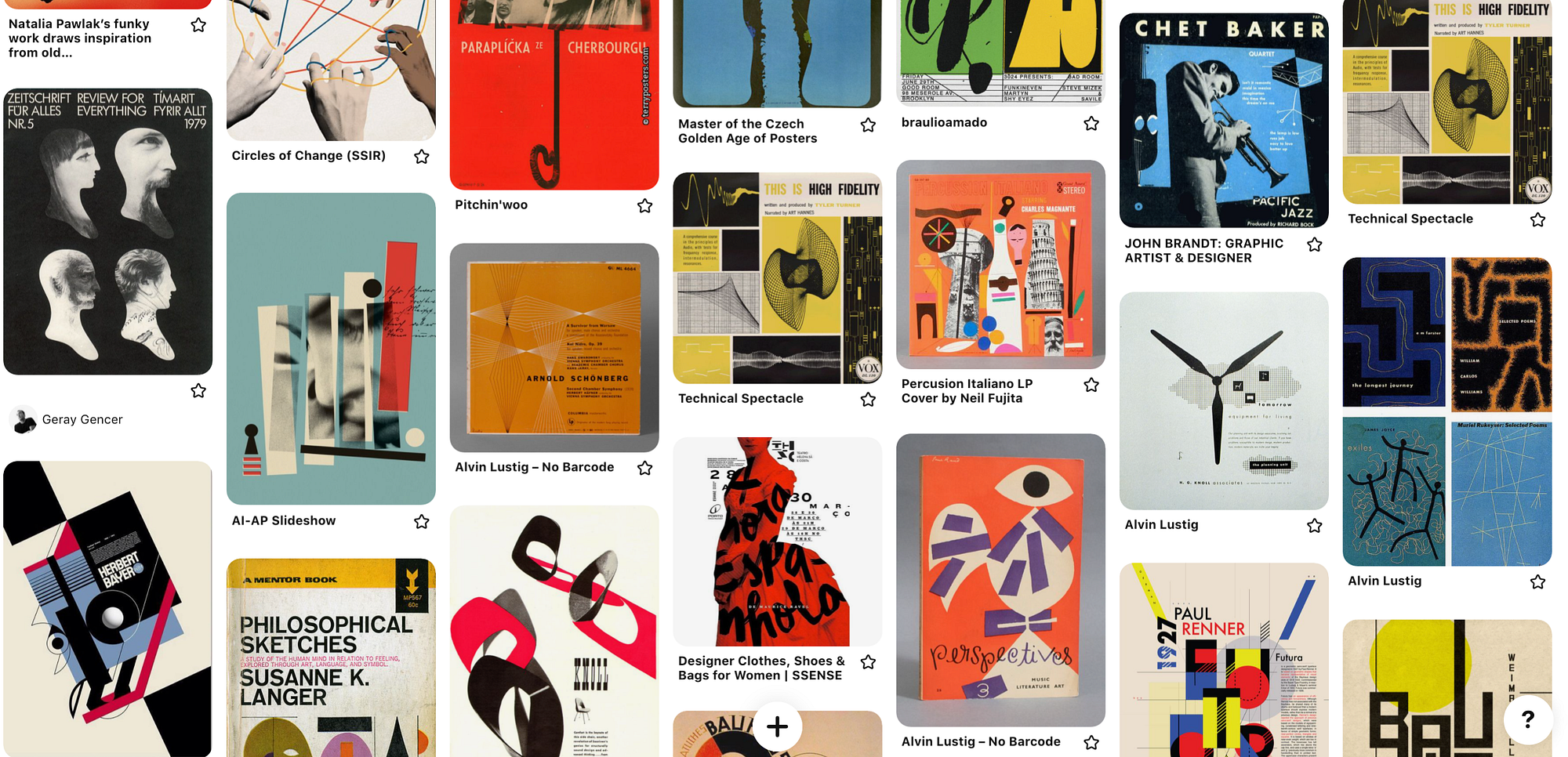
Alvin Lustig was a prominent graphic designer in the mid-20th century known for his innovative use of typography, color, and geometric shapes. His work revolutionized book cover design and defined the modernist aesthetic.
View StyleExplore Style
Arne Jacobsen was a Danish architect and designer known for his modernist furniture and interior design. His work, which gained fame in the 1950s and 60s, is characterized by sleek lines, geometric shapes, and functionality.
View StyleExplore Style
Art Direction is a visual style that involves the overall design and composition of visual elements in a specific media, such as film, advertising, or graphic design. It gained prominence in the early 20th century with the rise of mass media and commercial art. Art Direction focuses on creating a cohesive visual identity, using various techniques like color palettes, typography, and layout. Notable movements within art direction include the Bauhaus movement of the 1920s and the modernist movement of the mid-20th century, which emphasized simplicity, minimalism, and the use of new materials and technology.
View StyleExplore Style
Arthur Dove was an American artist known for his abstract and modernist style. He was active during the early 20th century, particularly from the 1910s to the 1940s. His unique approach to art, which combined elements of abstraction, symbolism, and nature, contributed to his fame. Dove's use of bold colors, simplified shapes, and organic forms helped establish him as one of the pioneers of American abstract art during his time.
View StyleExplore Style
Barbara Hepworth was a sculptor known for her organic, abstract forms inspired by nature and modernist principles. Her work gained prominence in the mid-20th century for its use of clean lines and geometric shapes.
View StyleExplore Style
The Beinecke Rare Book Library is known for its iconic six-story glass-enclosed stacks, housing rare manuscripts, books, and documents. Designed by Gordon Bunshaft and completed in 1963, its modernist architecture and unique book-storage system have made it a famous landmark in the world of library design.
View StyleExplore Style
Bhupen Khakhar's style combines influences from folk art with modernist techniques, often portraying everyday life with bold colors and simplified forms. His work gained popularity in the late 20th century for its unique blend of traditional and contemporary elements.
View StyleExplore Style
A visual style popular in the early 20th century, associated with the Bloomsbury Group of artists, writers, and intellectuals. Known for its blending of modernist and traditional elements, with a focus on vibrant colors, intricate patterns, and a sense of intimacy.
View StyleExplore Style
The Braun visual style emerged in the mid-20th century, characterized by clean lines, minimalism, and functionality. This style became famous for its innovative design approach and timeless aesthetic, epitomizing the modernist principles of form following function.
View StyleExplore Style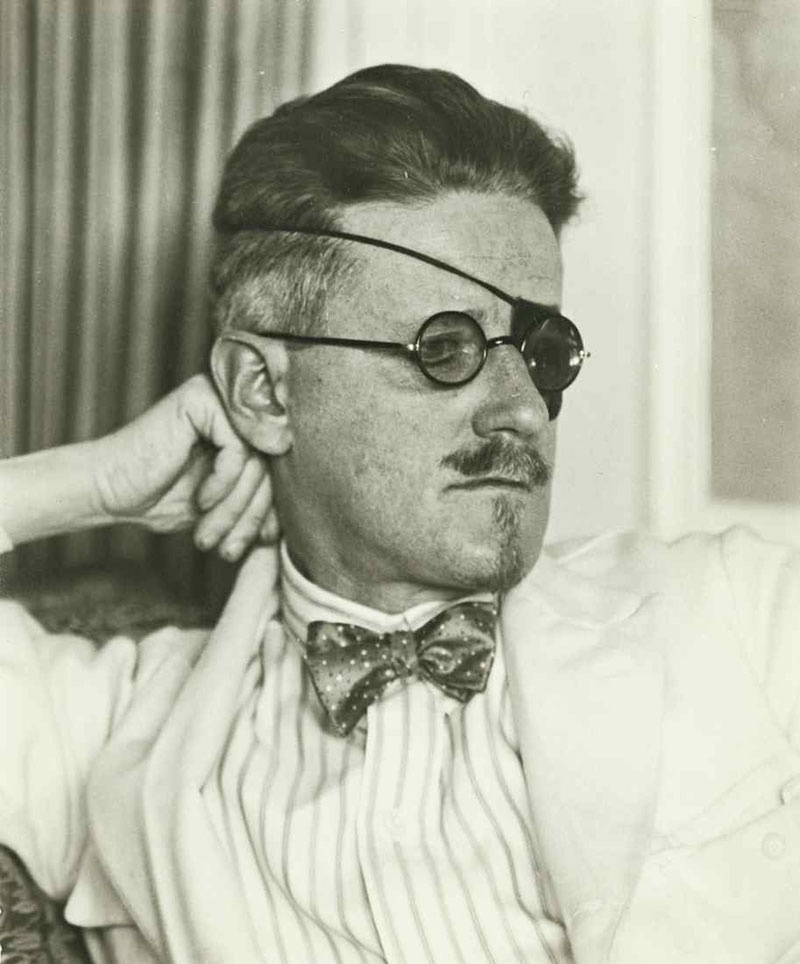
James Joyce's writing style, influential in the early 20th century, is known for its experimental use of language, stream of consciousness narration, and vivid symbolism

Charles Alston was a prominent African American artist known for his dynamic and expressive depictions of black culture and history in the mid-20th century. He was a leader of the Harlem Renaissance and used a blend of modernist and traditional techniques to create powerful and emotive artwork.
View StyleExplore Style
Charley Harper was an American modernist artist known for his highly stylized and minimalist depictions of wildlife and nature. His work, popular from the 1950s to the 2000s, is characterized by bold shapes, rhythmic patterns, and a playful sense of humor.
View StyleExplore Style
Charlotte Perriand was a French architect and designer known for her innovative furniture designs in the 1920s through the 1940s, which combined modernist aesthetics with functionality.
View StyleExplore Style
Dan Kiley was a landscape architect known for his modernist approach to design, incorporating geometric forms, minimalist plantings, and expansive open spaces. His work in the mid-20th century helped define the modern landscape architecture movement.
View StyleExplore Style
Danish Design refers to the design aesthetic that emerged in Denmark in the early 20th century and gained international recognition in the mid-20th century. Characterized by simplicity, functionality, and elegance, Danish Design beautifully combines form and function. It became famous in the 1950s and 1960s through the works of renowned Danish designers such as Arne Jacobsen and Hans Wegner, who introduced modernist principles and organic forms into furniture and product design.
View StyleExplore Style
Eduardo Santos is a modernist painter known for his bold use of colors and geometric shapes. His work became famous in the 1950s for its unique blend of abstract and surreal elements.
View StyleExplore Style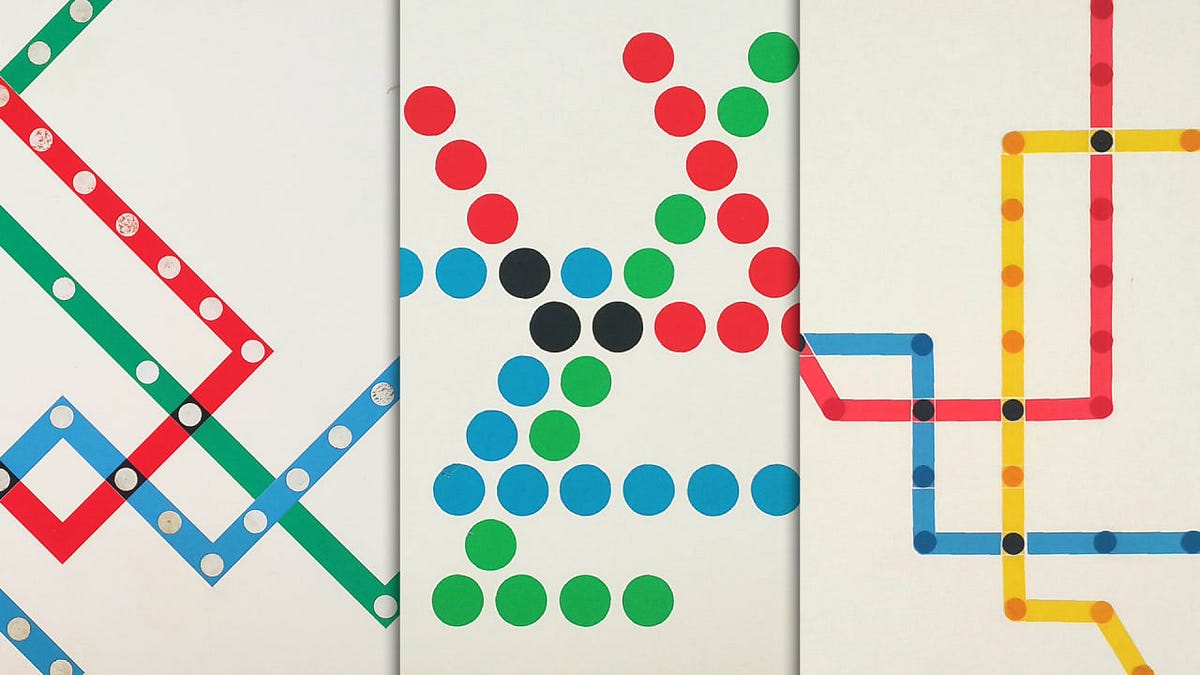
The Vignelli Brothers, Massimo and Lella Vignelli, were pioneers of modernist design in the 20th century. Their work is characterized by minimalism, clean lines, and a focus on typography, revolutionizing graphic and product design.
View StyleExplore Style
Edward Weston was a renowned 20th-century American photographer known for his black-and-white photographs of landscapes, still life, and nudes. He was active from the 1920s to the 1940s and is famous for his precise compositions, sharp focus, and attention to detail. Weston's style revolutionized photography by pushing the boundaries of what was considered art, and his use of close-ups and abstraction made his work highly influential in the modernist movement.
View StyleExplore Style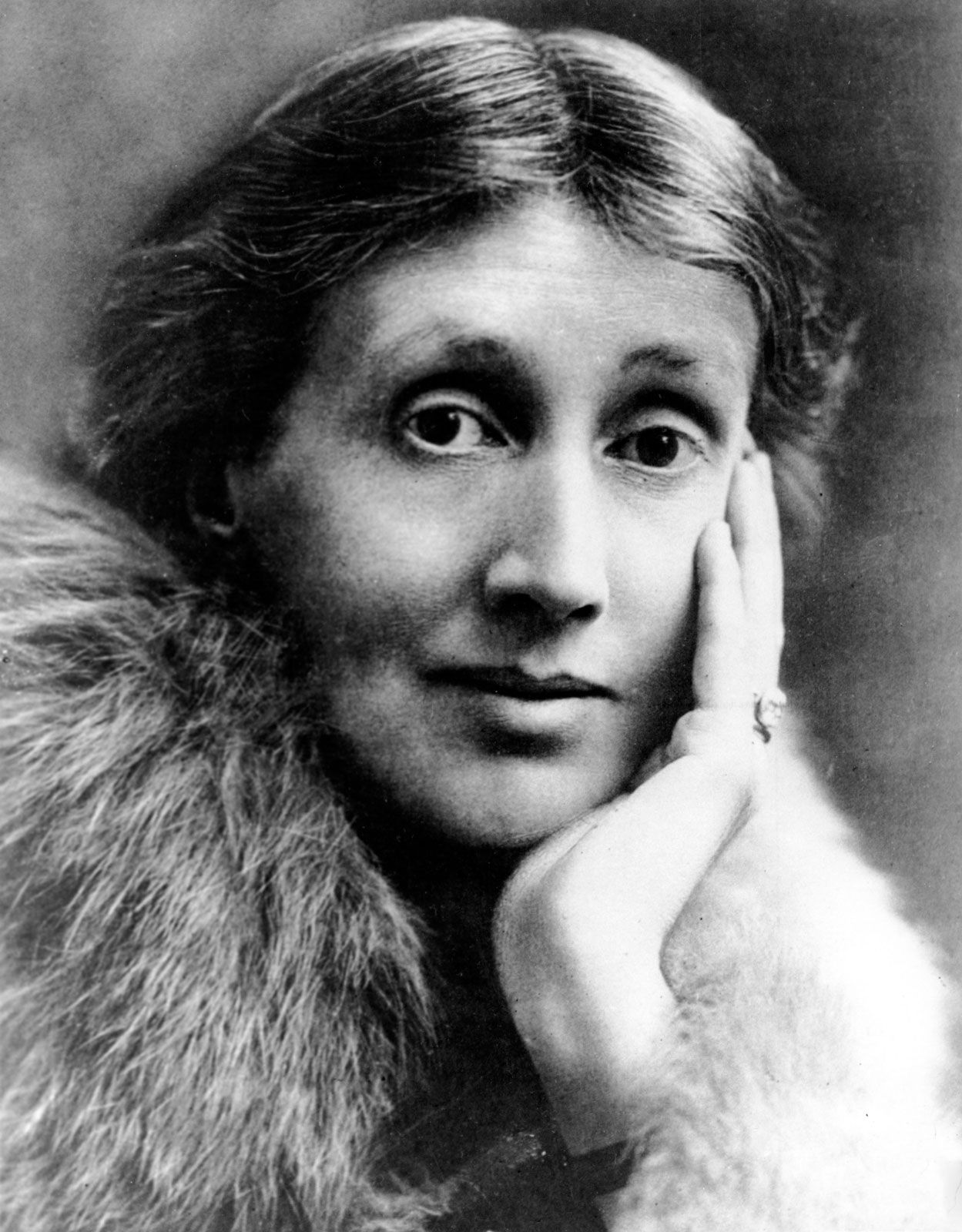
Virginia Woolf is known for her modernist writing style, characterized by stream of consciousness narrative, unconventional narrative structures, and exploration of inner thoughts and emotions. Her works, notably 'Mrs. Dalloway' (1925) and 'To the Lighthouse' (1927), are famous for their lyrical prose and introspective themes.

Emil Bisttram was a prominent American artist known for his modernist paintings with bold colors and geometric shapes. His work gained recognition in the 1930s and 1940s for its spiritual and mystical qualities.
View StyleExplore Style
Eusebi Arnau was a Catalan sculptor and painter known for his modernist sculptures in Barcelona during the early 20th century. His work featured geometric shapes, stylized figures, and intricate details, contributing to the city's architectural landscape.
View StyleExplore Style
Felix Vallotton was a Swiss-French painter and printmaker who was active during the late 19th and early 20th centuries. He is known for his distinctive visual style characterized by sharp lines, bold colors, and simplified forms. Vallotton became famous for his woodcuts, which he used to depict scenes of everyday life, portraits, and landscapes. His work is known for its strong compositions, emotional intensity, and a sense of mystery. Vallotton's style was deeply influential, bridging the gap between the traditional academic art of the 19th century and the emerging modernist movements of the early 20th century.
View StyleExplore Style
Fernand Leger was a French painter and filmmaker who is known for his modernist style. He was active from the early 1900s to the mid-1950s. Leger is famous for creating artworks that emphasized machine aesthetics and depicted modern urban life. His paintings often feature bold colors, geometric shapes, and simplified forms. Leger's style is characterized by a combination of Cubism and Futurism, with a focus on industrial subjects and a sense of dynamism and movement.
View StyleExplore Style
Fumiko Hayashi was a Japanese artist known for her unique blend of traditional Japanese aesthetics with modernist influences. She became famous in the early to mid-20th century for her colorful and geometric compositions.
View StyleExplore Style
Gaganendranath Tagore was an Indian painter known for his modernist style that blended traditional Indian elements with western influences. He was active in the early 20th century and gained fame for his innovative use of color and form.
View StyleExplore Style
George Howe was an American modernist architect known for his clean lines, geometric shapes, and use of industrial materials. He was part of the Philadelphia School of architecture in the early to mid-20th century.
View StyleExplore Style
George Nakashima was a Japanese-American woodworker and furniture designer. He is known for his unique style of furniture, which blended elements of traditional Japanese design with modernist influences. Nakashima's work became particularly famous in the 1950s and 1960s. What made him famous was his mastery of craftsmanship and his emphasis on the natural beauty of the wood. He utilized the natural edges and imperfections of the wood to create organic, flowing forms that celebrated the material's natural essence and revealed its history.
View StyleExplore Style
Georgia O'Keeffe was an American modernist artist known for her distinct style characterized by large-scale, close-up views of flowers, bones, and landscapes. She gained recognition in the 1920s for her bold and vibrant paintings that showcased her unique perspective on the natural world. O'Keeffe's work often showcased abstracted forms, simplified shapes, and intense colors, emphasizing the essence and beauty of her subjects. Her art became synonymous with American modernism and played a significant role in the development of American art during the early 20th century.
View StyleExplore Style
Gino Sansoni was an Italian graphic designer known for his bold, colorful, and modernist approach to design. Active in the mid-20th century, Sansoni's work became famous for its use of geometric shapes, vibrant hues, and dynamic compositions.
View StyleExplore Style
The visual style of 'Goldfinger' is characterized by a luxurious and opulent aesthetic, featuring a mix of modernist architecture, sleek interior design, and iconic 1960s fashion. This style became famous for its bold and glamorous portrayal of wealth and sophistication, as seen in the James Bond film of the same name.
View StyleExplore Style
Gordon Bunshaft was an American architect known for his modernist style characterized by simplicity, clean lines, and the use of glass and steel. He rose to fame in the mid-20th century with iconic buildings like Lever House and the Beinecke Rare Book Library.
View StyleExplore Style
Herbert Bayer was a prominent figure in the Bauhaus movement, a significant art and design school in the 1920s and 1930s. Known for his innovative and versatile style, Bayer's work spanned various mediums including graphic design, typography, photography, and painting. His work during this time is characterized by geometric forms, bold colors, clean lines, and a strong focus on visual communication. Bayer's influential contributions to the field of graphic design and typography helped shape the modernist aesthetic. He became particularly famous for his use of sans-serif typefaces and his experimentation with photomontage techniques. His work laid the foundation for the development of a modern and functional design language in the 20th century.
View StyleExplore Style
Herman Miller is a modernist visual style that emerged in the mid-20th century. It became famous for its innovative furniture designs and emphasis on functionality, minimalism, and clean lines. The style was popularized and made famous by the American furniture manufacturer Herman Miller Inc., especially during the 1940s to the 1960s. Their iconic furniture pieces, such as the Eames Lounge Chair and the Noguchi Table, are considered design classics and epitomize the Herman Miller style.
View StyleExplore Style
Hugo Gernsback's visual style emerged in the early 20th century, combining sleek modernist design elements with futuristic and scientific influences. Known for its bold geometric shapes, streamlined forms, and emphasis on technology, this style became famous for its vision of the future.
View StyleExplore Style
Hugo Luczyc Wyhowski was a Polish architect and designer known for his modernist approach in the interwar period, blending functionalism with elements of Polish folklore. His work became famous for its innovative use of geometric shapes and bold colors.
View StyleExplore Style
Ikko Tanaka was a Japanese graphic designer known for his bold and minimalist style. His work is characterized by clean lines, vivid colors, and geometric shapes. Tanaka's contributions to the field of graphic design were particularly significant during the 1960s and 1970s. His iconic designs often incorporated elements of traditional Japanese art and culture, blending them with modernist principles. Tanaka's innovative approach and timeless aesthetics have made him a celebrated figure in the graphic design world.
View StyleExplore Style
Imogen Cunningham (1883-1976) was an American photographer known for her modernist style and pioneering work in the field of botanical photography. Her photographs, which spanned over seven decades, captured the beauty and essence of various subjects, including portraits, nudes, still lifes, and nature. Cunningham's use of light, composition, and focus created visually striking and intimate images that showcased her unique perspective and artistic vision.
View StyleExplore Style
A French designer and architect known for his innovative use of materials like steel and aluminum in furniture and buildings. Famous for merging functionality and aesthetics in his modernist designs during the mid-20th century.
View StyleExplore Style
John Gibson's visual style is characterized by his use of bold, vibrant colors, geometric shapes, and abstract forms. He gained recognition in the 1950s for his unique blend of modernist design elements with a touch of surrealism, creating visually striking and dynamic compositions.
View StyleExplore Style
Jonas Wood is known for his colorful, graphic style inspired by modernist painters like Matisse and Picasso. His work often features bold shapes, patterns, and surreal compositions, gaining popularity in the 2010s.
View StyleExplore Style
Josef Frank was an Austrian-Swedish architect and designer known for his modernist style, characterized by bright colors, bold patterns, and organic forms. He was a leading figure in the Scandinavian modern design movement during the 1930s and 1940s.
View StyleExplore Style
Kang Myungsun was a Korean painter known for his abstract, modernist style in the 20th century. He gained recognition for his unique use of color and shapes, creating dynamic compositions that blurred the lines between traditional and contemporary art.
View StyleExplore Style
Kenzo Tange was a Japanese architect known for his modernist style, incorporating traditional Japanese design elements. His work became famous in the post-war period, with projects such as the Hiroshima Peace Memorial Park and the Tokyo Metropolitan Government Building.
View StyleExplore Style
Koloman Moser was an Austrian artist and designer who played a crucial role in the development of the Vienna Secession movement. Active from the late 19th to early 20th century, Moser's style combined elements of Art Nouveau and modernist design. He was known for his precise geometric shapes, bold use of color, and intricate patterns. His work embraced various mediums including painting, graphic design, furniture, textiles, and ceramics. Moser's innovative approach to design and his involvement in the Wiener Werkstätte (Vienna Workshops) made him famous, contributing to the birth of a new modern aesthetic in Vienna.
View StyleExplore Style
Latin American Modernism, popular in the early to mid 20th century, was characterized by a fusion of European modernist movements with local cultural traditions, resulting in vibrant colors, geometric shapes, and dynamic compositions.
View StyleExplore Style
Lawren Harris was a Canadian painter known for his abstract and minimalist style. He co-founded the Group of Seven, a famous group of Canadian landscape painters in the early 20th century. Harris's style evolved from representational landscapes to abstract modernist works, characterized by bold colors, simplified forms, and a spiritual quality.
View StyleExplore Style
Llus Domenech I Montaner was a Catalan architect known for his modernist designs in the late 19th and early 20th centuries. His work is characterized by ornate facades, intricate details, and a fusion of architectural styles.
View StyleExplore Style
Louis Kahn's visual style is characterized by the use of monumental geometric forms, natural lighting, and thoughtful consideration of materials. His work gained fame in the mid-20th century for its modernist approach and emphasis on simplicity and beauty.
View StyleExplore Style
Luis Barragan was a Mexican architect known for his minimalist and colorful modernist buildings that blend traditional Mexican and international styles. His work gained fame in the mid-20th century for its use of light, space, and vibrant hues.
View StyleExplore Style
Manhattan visual style emerged in the 1940s and 1950s, gaining popularity during the mid-20th century. It is characterized by its sleek, sophisticated, and glamorous aesthetic. The style draws inspiration from the Art Deco movement and the modernist architecture of New York City. Manhattan style became famous for its clean lines, geometric shapes, and the use of luxurious materials, such as glass, steel, and polished wood. The style reflects the post-war optimism and the booming economy of the United States during that period.
View StyleExplore Style
Marcel Breuer was a Hungarian-born modernist architect and furniture designer. His visual style is characterized by clean lines, simplicity, and functionality. Breuer's work became famous in the 1920s and 1930s, during the rise of the Bauhaus movement. He is recognized for his innovative use of materials, particularly tubular steel, in furniture design. Breuer's designs were often influenced by his background in architecture, resulting in furniture that is both aesthetically pleasing and structurally sound.
View StyleExplore Style
Marsden Hartley was an American modernist painter known for his distinctive visual style. Active during the early 20th century, Hartley's work reflected a unique combination of abstraction and symbolism. He gained fame for his bold use of color, geometric forms, and expressive brushstrokes. Hartley's most renowned period was between 1912 and 1914, during which he created a series of abstracted landscapes inspired by his travels to Europe. His artworks were characterized by a dynamic and energetic composition, often depicting scenes from his personal experiences and emotional states.
View StyleExplore Style
Martin Esslin is known for his minimalist and abstract visual style, characterized by clean lines, geometric shapes, and vibrant colors. This style became popular in the mid-20th century and is often associated with the modernist movement.
View StyleExplore Style
Mf Husain, also known as the Picasso of India, is renowned for his vibrant and dynamic paintings that blend traditional Indian art forms with modernist influences. His art became famous in the 1950s and 1960s for its bold colors, expressive figures, and unique interpretation of Indian mythology and culture.
View StyleExplore Style
Morgan Russell was a pioneer of abstract art in America, actively involved in the early 20th century European modernist movement. His style was characterized by bold geometric shapes, vibrant colors, and a dynamic sense of movement.
View StyleExplore Style
Myron Goldsmith was an American architect known for his modernist designs in the mid-20th century. His work was characterized by clean lines, geometric forms, and a focus on structural expression.
View StyleExplore Style