StylopediaStylopedia

Minimalistic styles on Stylopedia

A visual encyclopedia of minimalistic styles – use as prompt inspiration for Midjourney, Gemini, or ChatGPT AI when making minimalistic images

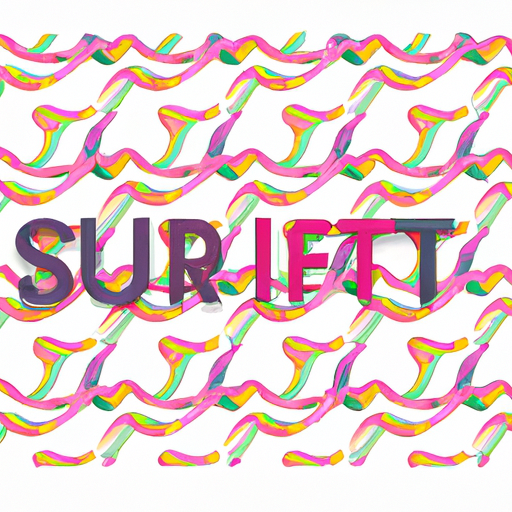
Example of visual style of Alan Fletcher

Alan Fletcher

The visual style of Alan Fletcher is characterized by its simplicity and playfulness. It emerged in the late 1950s and became prominent in the 1960s and 1970s. Fletcher's style is famous for its use of minimalistic elements, bold typography, and clever visual metaphors. His work often combines bright colors, geometric shapes, and witty illustrations to convey complex ideas in a simplified manner. Fletcher's innovative approach to graphic design revolutionized the industry and made him one of the most influential designers of the 20th century.

View StyleExplore Style
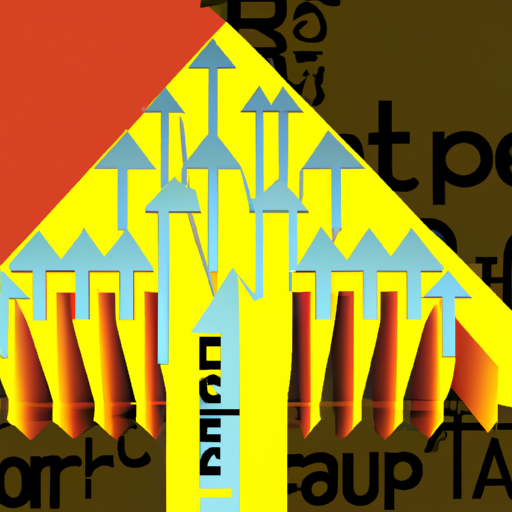
Example of visual style of Arthur C Clarke

Arthur C Clarke

The Arthur C Clarke visual style is a futuristic and technology-focused style that emerged in the mid-20th century. It gained fame through the works of Arthur C. Clarke, a renowned science fiction writer and futurist. This style is characterized by its sleek and minimalistic designs, often featuring clean lines, geometric shapes, and a sense of space and depth. It combines elements of science, technology, and imagination to portray advanced future worlds. The Arthur C Clarke visual style became famous through Clarke's influential novels, such as '2001: A Space Odyssey', which showcased a visually striking representation of futuristic technology and space exploration.

View StyleExplore Style
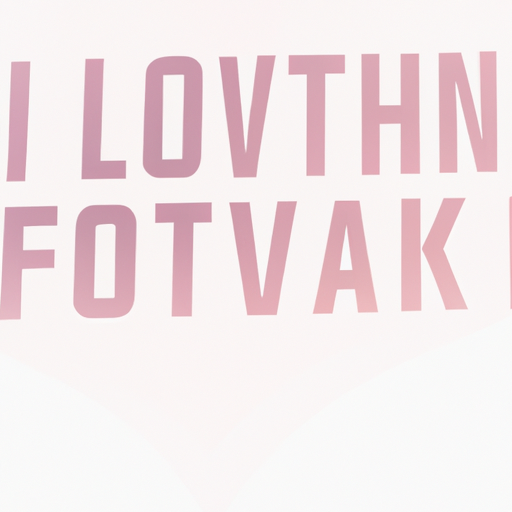
Example of visual style of Factory Records

Factory Records

Factory Records was a visual style popularized in the late 1970s and throughout the 1980s. It played a significant role in the post-punk and new wave music scene. Known for its minimalistic and avant-garde approach, Factory Records embraced the use of bold colors, geometric shapes, and innovative typography. Its famous album covers and promotional materials were often created by notable graphic designers such as Peter Saville and Ben Kelly, becoming iconic symbols of the era.

View StyleExplore Style
Example of visual style of Fashion Icons

Fashion Icons

Fashion Icons is a visual style that refers to iconic fashion trends and individuals that have made a significant impact on the fashion industry. This style encompasses various eras, including the glamorous fashion of the 1950s, the rebellious styles of the 1960s, the bold and avant-garde designs of the 1980s, and the minimalistic and sleek aesthetics of the 1990s. Fashion Icons highlights fashion designers, models, celebrities, and style influencers whose creativity, innovation, and unique sense of style have influenced and shaped the fashion world. From Coco Chanel, Audrey Hepburn, and Marilyn Monroe to Madonna, Kate Moss, and Karl Lagerfeld, these iconic figures have become synonymous with fashion and continue to influence contemporary fashion trends.

View StyleExplore Style
Example of visual style of Fiona Banner

Fiona Banner

Fiona Banner is a contemporary British artist known for her use of text-based artwork and immersive installations. Her style is characterized by its minimalistic and conceptual nature, often incorporating language as the central element of her pieces. Banner gained recognition in the late 1990s for her 'wordscapes,' large-scale text installations that use words and typography to create visual landscapes. She became famous for her attention to detail and bold use of language to explore themes of communication, power, and identity.

View StyleExplore Style

Example of visual style of Gabrielle Chanel

Gabrielle Chanel

Gabrielle Chanel, also known as Coco Chanel, revolutionized the fashion industry in the 20th century. Her iconic style emerged in the 1920s and continues to be influential today. Known for her elegant simplicity, Chanel's style emphasized comfort, functionality, and timeless beauty. She famously introduced the little black dress, tailored suits for women, and the iconic Chanel No. 5 perfume. Her designs were characterized by clean lines, luxurious fabrics, and the innovative use of jersey and tweed. Chanel's style became famous for its understated luxury and laid the foundation for modern fashion.

View StyleExplore Style

Example of visual style of Genndy Tartakovsky

Genndy Tartakovsky

Genndy Tartakovsky is known for his distinct visual style that combines minimalistic backgrounds with dynamic and exaggerated character animation. His style emerged in the late 1990s and gained fame through his work on popular animated series such as 'Dexter's Laboratory' (1996-2003) and 'Samurai Jack' (2001-2004). Tartakovsky's animation style is characterized by bold linework, intense action sequences, and a unique blend of traditional and modern animation techniques. His mastery of timing and composition makes his animation visually striking and memorable.

View StyleExplore Style
Example of visual style of Herb Ritts

Herb Ritts

Herb Ritts (1952-2002) was an American fashion photographer known for his clean, elegant, and sensual black and white portraits. Ritts became famous in the 1980s and 1990s for his iconic photographs of celebrities and models, which often featured bold contrasts, strong lighting, and a focus on the human form. His work showcased a unique blend of art, fashion, and celebrity culture, and his minimalistic approach and use of natural elements created timeless and captivating images.

View StyleExplore Style
Example of visual style of Joy Division

Joy Division

Joy Division is a visual style that emerged in the late 1970s and early 1980s, particularly associated with the famous Manchester band of the same name. The style is characterized by its minimalistic and stark imagery, often in black and white. It is influenced by industrial aesthetics, post-punk culture, and the band's dark and introspective music. The iconic album covers for Joy Division, designed by Peter Saville, played a significant role in popularizing this visual style.

View StyleExplore Style
Example of visual style of Line Art

Line Art

Line Art is a visual style characterized by the use of simple lines to create intricate and detailed illustrations. It emerged in the late 19th century with the advent of printmaking techniques that emphasized clean and precise lines. Line Art became particularly famous during the Art Nouveau movement in the late 1800s and early 1900s, with artists like Alphonse Mucha and Aubrey Beardsley incorporating it in their artworks. This style gained popularity due to its ability to depict intricate patterns, delicate details, and elegant figures using minimalistic lines.

View StyleExplore Style
Example of visual style of Matt Groening

Matt Groening

The Matt Groening visual style, famous for its distinctive and quirky animation, emerged in the late 1980s. It gained widespread recognition through the animated television show 'The Simpsons', which debuted in 1989. Groening's style is characterized by exaggerated, cartoony features, bold and vibrant colors, and a humorous and satirical tone. The animation style often includes simple and minimalistic designs combined with complex and detailed background elements, creating a unique visual juxtaposition. The Matt Groening style has become iconic and influential in the world of animation and has inspired countless artists and designers since its inception.

View StyleExplore Style
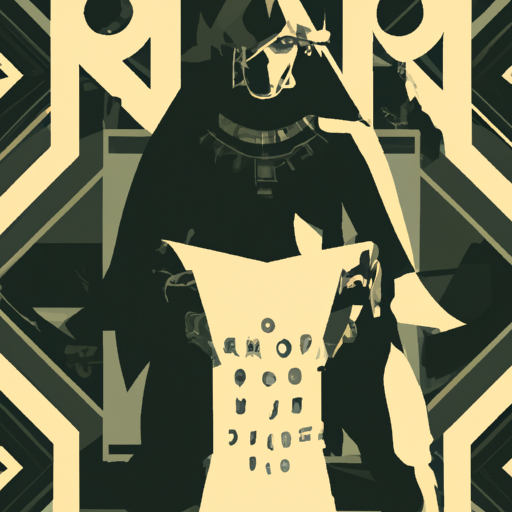
Example of visual style of Mike Mignola

Mike Mignola

Mike Mignola is an American comic book artist and writer known for creating the visual style known as 'Mignola'. His unique style, developed in the 1980s, features heavy use of shadows, thick black lines, and minimalistic color palettes. Mignola's style became famous through his work on the comic book series Hellboy, which debuted in 1994. His distinctive artwork has since influenced a generation of comic book artists and has been praised for its dark and atmospheric tone.

View StyleExplore Style
Home