StylopediaStylopedia

Mid-century modern styles on Stylopedia

A visual encyclopedia of mid-century modern styles – use as prompt inspiration for Midjourney, Gemini, or ChatGPT AI when making mid-century modern images

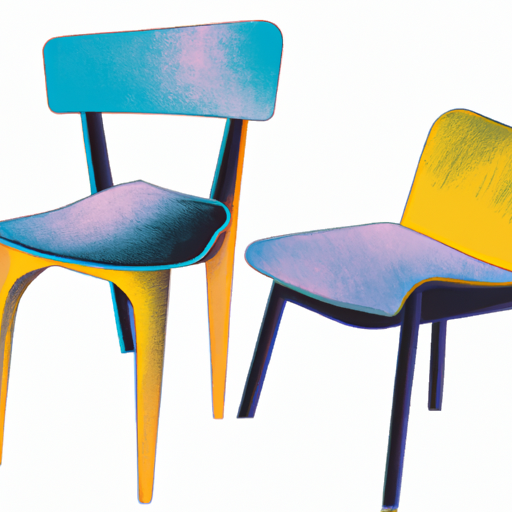
Example of visual style of Charles Eames

Charles Eames

The Charles Eames visual style emerged during the mid-20th century, from the 1940s to the 1970s. It is known for its innovative and iconic designs in furniture, architecture, and industrial design. Charles Eames, along with his wife Ray Eames, pioneered the use of new materials, especially molded plywood, in their creations. Their furniture pieces, such as the Eames Lounge Chair and Ottoman, became famous for their combination of comfort, functionality, and elegance. The Eameses' designs were characterized by clean lines, organic shapes, and a balance between form and function.

View StyleExplore Style
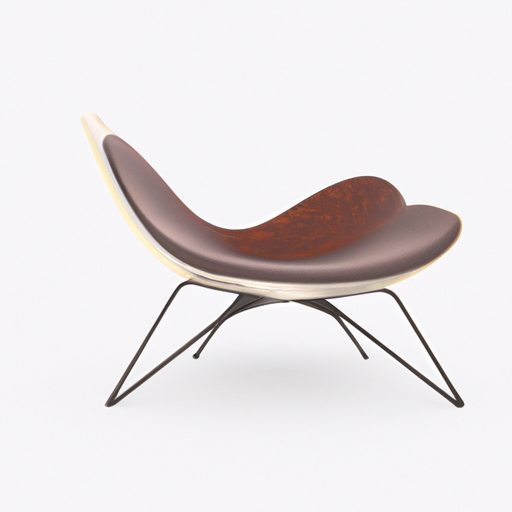
Example of visual style of Eames

Eames

The Eames visual style is a mid-century modern design that emerged in the 1940s and 1950s. It was popularized by the famous American design couple Charles and Ray Eames. Known for its organic forms, clean lines, and innovative use of materials, the Eames style aimed to combine function, comfort, and beauty. The Eames' iconic furniture designs, such as their molded plywood chairs and the Eames Lounge Chair, became symbols of modern design. With their emphasis on functionality, simplicity, and craftsmanship, the Eames style continues to influence contemporary design and architecture.

View StyleExplore Style
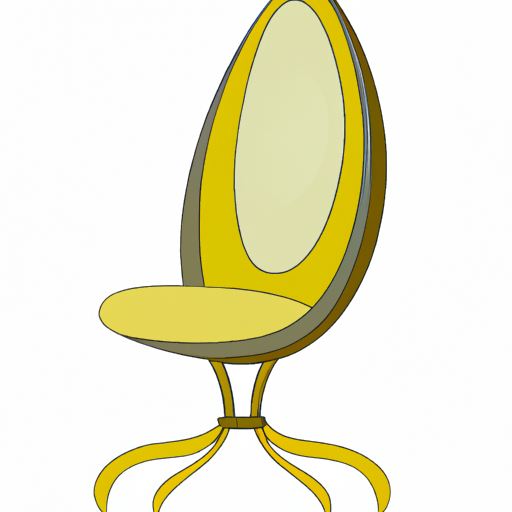
Example of visual style of George Nelson

George Nelson

George Nelson was an American industrial designer and architect who made a significant impact on American modernism during the mid-20th century. His work gained fame primarily during the 1940s to 1960s. Nelson's style is characterized by clean lines, organic shapes, and a playful yet functional approach to design. He is best known for his innovative furniture designs, including the iconic Marshmallow Sofa and the Nelson Platform Bench, which became symbols of the mid-century modern aesthetic.

View StyleExplore Style
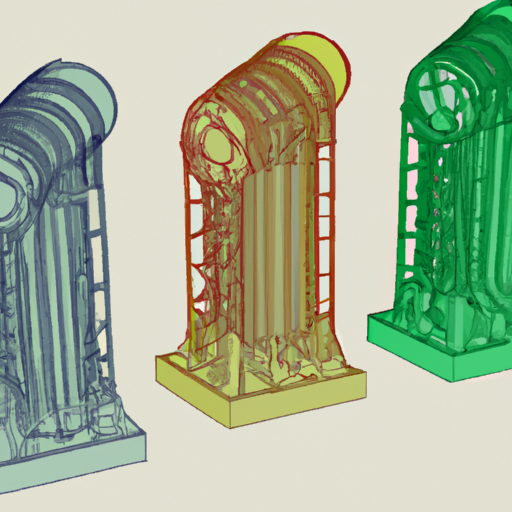
Example of visual style of Historical Contemporary Fusion

Historical Contemporary Fusion

Historical Contemporary Fusion is a visually striking style that seamlessly blends elements of historical and contemporary design. It gained popularity in the late 20th century and continues to influence design today. The style combines classic design elements from various historical periods, such as Baroque, Rococo, Art Deco, and Mid-century Modern, with contemporary aesthetics and materials. This fusion creates a unique visual language that attracts attention and sparks intrigue.

View StyleExplore Style
Example of visual style of Retro Design

Retro Design

Retro Design refers to a visual style inspired by past eras, particularly the 1950s to 1970s. It embraces nostalgia and pays homage to the styles, trends, and aesthetics of those decades. Retro Design became famous for its vibrant color palettes, bold patterns, and futuristic elements. It drew influence from mid-century modern design, space-age aesthetics, and pop culture of the time. This style became iconic due to its ability to capture the essence of a bygone era and evoke a sense of nostalgia.

View StyleExplore Style
Example of visual style of Suburban Sophistication

Suburban Sophistication

Suburban Sophistication is a visual style that emerged in the mid-1950s and became famous in the 1960s. It is characterized by a blend of modern and traditional elements, creating a refined but relaxed aesthetic. This style became popular as suburban areas rapidly developed, and homeowners sought to create sophisticated interiors and exteriors that reflected their status and aspirations. Influenced by mid-century modern design and the idea of 'keeping up with the Joneses,' Suburban Sophistication emphasizes clean lines, minimalism, and tasteful embellishments. The style is known for its upscale yet comfortable ambiance, epitomizing the desire for refinement and modernity within a suburban context.

View StyleExplore Style
Example of visual style of The Thomas Crown Affair

The Thomas Crown Affair

The visual style of 'The Thomas Crown Affair' is a sleek and sophisticated blend of mid-century modern aesthetics with a touch of avant-garde elegance. The film's visuals are characterized by clean lines, bold colors, and luxurious settings, reflecting the opulent lifestyle of the protagonist. Released in 1968, the film's stylish cinematography and innovative editing techniques made it a pioneer in the heist genre, influencing subsequent films and TV shows.

View StyleExplore Style
Home