StylopediaStylopedia

Metalwork styles on Stylopedia

A visual encyclopedia of metalwork styles – use as prompt inspiration for Midjourney, Gemini, or ChatGPT AI when making metalwork images

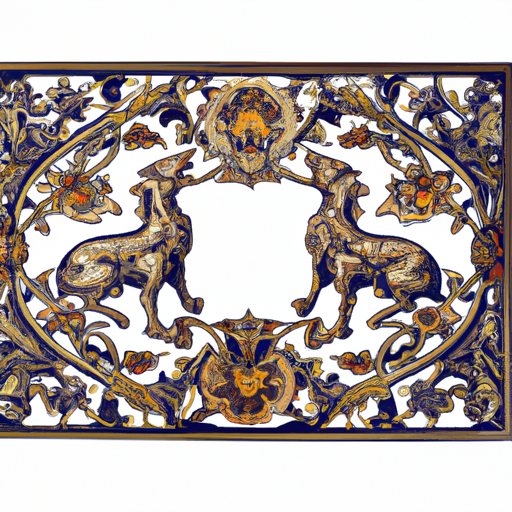
Example of visual style of Central Asian Art

Central Asian Art

Central Asian Art refers to the visual style that emerged in the Central Asian region, encompassing countries such as Kazakhstan, Kyrgyzstan, Tajikistan, Turkmenistan, and Uzbekistan. This style developed over centuries and reached its peak during the Islamic Golden Age (8th to 14th centuries) and the Timurid Empire (14th to 15th centuries). Central Asian Art is famous for its intricate geometric patterns, vibrant colors, and richly ornamented composition. It is heavily influenced by the Islamic artistic traditions, combining elements of Persian, Arab, and Turkic cultures. This art style is known for its use of calligraphy, ceramics, metalwork, textiles, and architecture.

View StyleExplore Style
Example of visual style of Hunnic Art

Hunnic Art

Hunnic Art refers to the visual style of the ancient Hunnic people, who dominated Central Asia and Eastern Europe from the 4th to the 6th century. This style is characterized by intricate and highly detailed metalwork, particularly in the form of belt buckles, plate fittings, and jewelry. Hunnic Art is famous for its portrayal of animals, especially stylized depictions of boars, stags, and birds. The use of geometric patterns and symmetrical designs is also a notable feature of this art style.

View StyleExplore Style
Example of visual style of Migration Period Art

Migration Period Art

Migration Period Art is an artistic style that emerged during the early Middle Ages, particularly between the 4th and 7th centuries in Europe. It is characterized by its intricate and decorative designs, often found in the form of metalwork, jewelry, and manuscripts. The art style gained prominence during the period of mass migrations and cultural transitions in Europe, following the fall of the Western Roman Empire. It has been famous for its distinctive blend of Roman, Byzantine, and Germanic influences.

View StyleExplore Style
Example of visual style of Sarmatians

Sarmatians

Sarmatians is a visual style that emerged during the 1st century BC and 4th century AD in the Eurasian region. It is closely associated with the Sarmatian culture, a group of nomadic Iranian people. This style became famous for its intricate and detailed designs, consisting of geometric patterns, animal motifs, and depictions of warriors and horses. The Sarmatians were known for their skilled craftsmanship in metalwork, jewelry, and textiles, which heavily influenced this visual style.

View StyleExplore Style
Home