
StylopediaStylopedia

Melancholy styles on Stylopedia

A visual encyclopedia of melancholy styles – use as prompt inspiration for Midjourney, Gemini, or ChatGPT AI when making melancholy images

Example of visual style of Anselm Kiefer Exhibition

Anselm Kiefer Exhibition

Anselm Kiefer Exhibition is characterized by a unique and powerful visual style that combines elements of painting, sculpture, and installation art. It emerged in the late 20th century and became famous for its exploration of complex historical, mythological, and philosophical themes. Anselm Kiefer's works often evoke a sense of melancholy and contemplation, with large-scale and heavily textured pieces that incorporate a wide range of materials, such as lead, ash, straw, and glass. The exhibition showcases Kiefer's masterful use of symbolism, juxtaposition, and layering to convey deep emotional and intellectual messages.

View StyleExplore Style
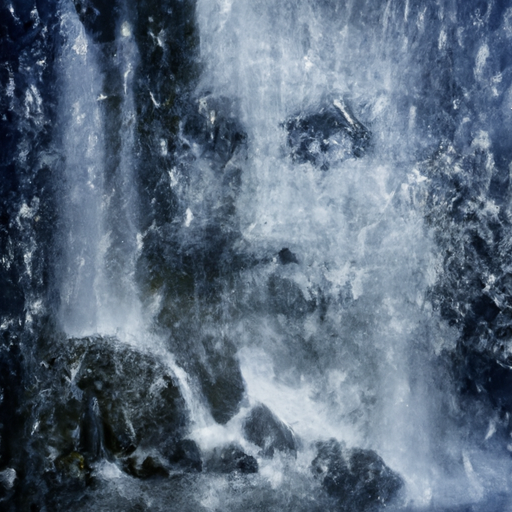

Example of visual style of Beksinski

Beksinski

Beksinski is a gothic and surrealist visual style that emerged in the late 20th century. It is named after the Polish artist Zdzislaw Beksinski, who gained prominence in the 1980s and 1990s. Beksinski's works are characterized by dark, atmospheric landscapes, abstract forms, and distorted figures. Known for his dystopian and apocalyptic themes, Beksinski's art often evokes feelings of melancholy and despair. His unique style combines elements of surrealism, expressionism, and fantasy, creating haunting and otherworldly imagery.

View StyleExplore Style
Example of visual style of Giulietta Masina

Giulietta Masina

Giulietta Masina is a visual style named after the Italian actress Giulietta Masina. This style emerged in the 1950s and became famous through Masina's performances in several iconic Federico Fellini films, especially in 'La Strada' (1954) and 'Nights of Cabiria' (1957). Masina's unique and expressive facial features, characterized by large eyes, a small nose, and clown-like makeup, are an essential part of this style. The Giulietta Masina style is known for its whimsical, innocent, and vulnerable visual characteristics, which capture a sense of childlike wonder and melancholy.

View StyleExplore Style
Example of visual style of Lars Von Trier

Lars Von Trier

Lars Von Trier is a Danish film director known for his provocative and controversial visual style. He gained international fame in the late 20th century through his works such as 'Breaking the Waves' (1996), 'Dancer in the Dark' (2000), and 'Antichrist' (2009). Von Trier's visual style is characterized by its raw and gritty aesthetic, often employing handheld camera work, dark lighting, and naturalistic settings. His films often explore melancholy and despair, pushing the boundaries of traditional storytelling and challenging the viewer's perceptions. Von Trier's ability to evoke intense emotions and create unforgettable, visually striking images has made his work highly influential in the world of cinema.

View StyleExplore Style
Example of visual style of Shaun Tan

Shaun Tan

Shaun Tan is an Australian artist and author known for his unique and imaginative visual style. His work is characterized by intricate and detailed illustrations that blend elements of realism and fantasy. Tan often depicts surreal and otherworldly landscapes, creatures, and objects, creating a sense of wonder and mystery. His works evoke a range of emotions, from melancholy and loneliness to hope and resilience. Shaun Tan rose to fame in the early 2000s with the publication of his book 'The Arrival', which became a critically acclaimed and award-winning international bestseller.

View StyleExplore Style
Example of visual style of The Fall

The Fall

The Fall is a visual style characterized by dark and moody aesthetics, primarily used in cinematography and photography. It gained popularity in the late 1990s and early 2000s, and is known for its use of muted colors, heavy shadows, and a sense of melancholy. It features desaturated tones and a reduced color palette, emphasizing the contrast between light and dark. The style often involves incorporating elements of nature and landscapes to create a haunting and atmospheric atmosphere. The Fall became famous for its ability to evoke emotions and tell stories through its unique visual language.

View StyleExplore Style
Example of visual style of Zdzislaw Beksinski

Zdzislaw Beksinski

Zdzislaw Beksinski, a Polish artist who lived from 1929 to 2005, is known for his unique and haunting visual style. His art, which gained fame in the late 20th century, can be described as dark, surreal, and apocalyptic. Beksinski often depicted bizarre and nightmarish landscapes, filled with twisted architecture, ominous figures, and surreal creatures. His work is characterized by a dark color palette, intricate details, and a sense of melancholy. Beksinski's art became famous for its ability to evoke powerful emotions and create a sense of unease in the viewer.

View StyleExplore Style
Home