StylopediaStylopedia

Medieval styles on Stylopedia

A visual encyclopedia of medieval styles – use as prompt inspiration for Midjourney, Gemini, or ChatGPT AI when making medieval images

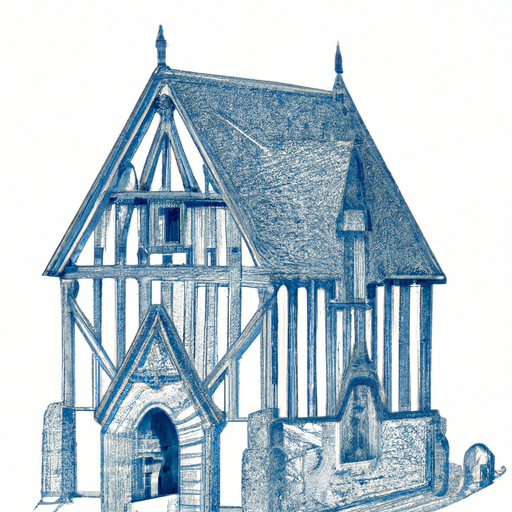
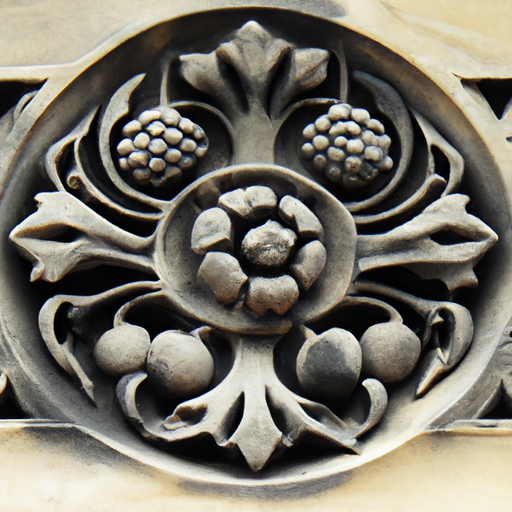
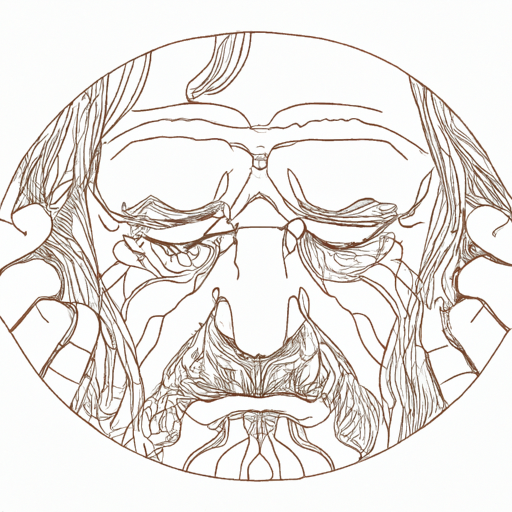
Example of visual style of Eugene Viollet Le Duc

Eugene Viollet Le Duc

Eugene Viollet Le Duc was a 19th-century French architect and theorist known for his restorations of medieval architecture. His work became famous for its careful and meticulous restoration of historical buildings, such as the Notre-Dame Cathedral in Paris and the fortified city of Carcassonne. Le Duc's style emphasized a faithful and creative interpretation of the original architectural elements, combining historical accuracy with his own artistic vision.

View StyleExplore Style
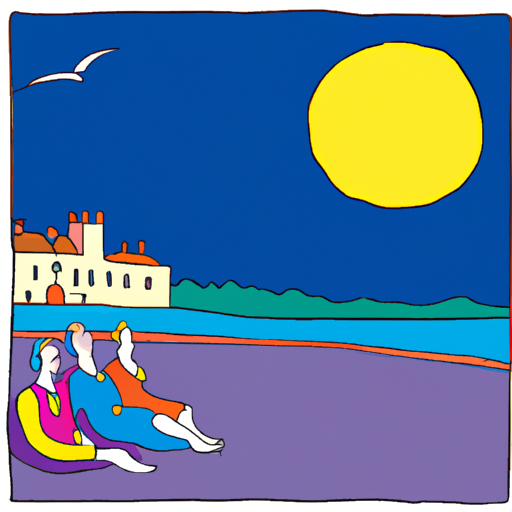
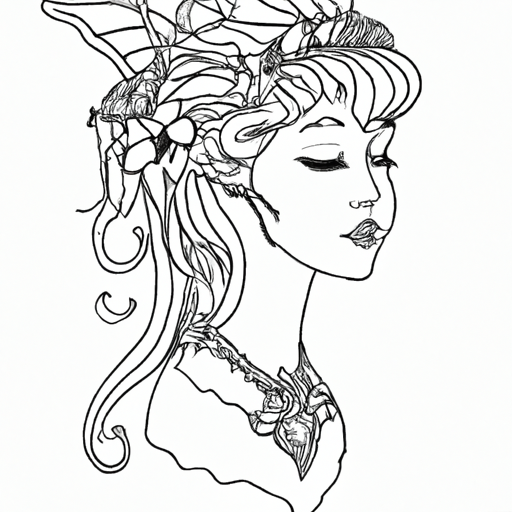
Example of visual style of Gothic Fashion

Gothic Fashion

Gothic Fashion emerged in the late 1970s and became popular in the 1980s and 1990s. It is characterized by its dark and dramatic aesthetic, drawing inspiration from medieval and Victorian fashion. This style is famous for its use of black clothing, corsets, lace, leather, and metal accents. Gothic Fashion gained attention through its association with subcultures like goth and punk, as well as the influence of prominent designers like Alexander McQueen and Vivienne Westwood.

View StyleExplore Style
Example of visual style of Gothic Literature

Gothic Literature

Gothic Literature is a style of writing that emerged in the late 18th century and gained popularity in the 19th century. It is characterized by a dark, mysterious, and supernatural atmosphere, often set in medieval or gloomy settings. Gothic Literature explores themes of horror, death, madness, and the supernatural. Some famous Gothic literature works include Mary Shelley's 'Frankenstein' (1818) and Bram Stoker's 'Dracula' (1897). This style became famous for its ability to evoke strong emotions and tap into the readers' deepest fears and desires.

View StyleExplore Style
Example of visual style of Gothic Revival

Gothic Revival

Gothic Revival is an architectural and design style that emerged in the late 18th century, reaching its peak popularity during the 19th century. It draws inspiration from the medieval Gothic style, particularly the pointed arches, ribbed vaults, and intricate ornamentation of Gothic cathedrals and castles. Gothic Revival became famous as it embodied a romanticized perception of the Middle Ages and represented a reaction against the prevailing neoclassical styles of the time.

View StyleExplore Style
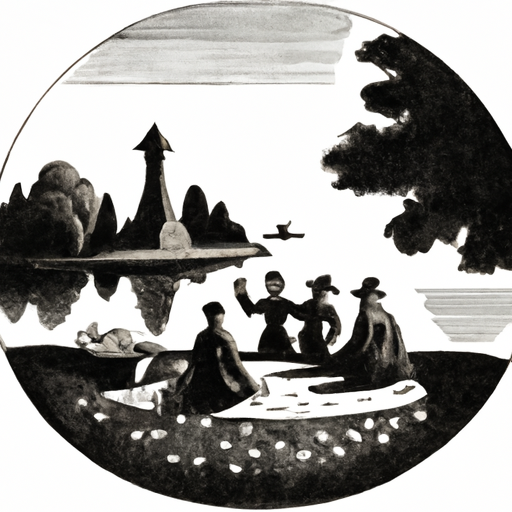
Example of visual style of Jethro Tull

Jethro Tull

Jethro Tull is a visual style that emerged in the late 1960s and is associated with the British progressive rock band of the same name. It became famous for its unique combination of folk, blues, and rock music, incorporating elements of classical music as well. Jethro Tull's visual style is characterized by an eclectic mix of psychedelic and medieval influences, reflected in their album cover art, stage performances, and music videos. This style gained popularity during the 1970s and continues to have a cult following till today.

View StyleExplore Style
Example of visual style of Middle Earth

Middle Earth

Middle Earth is a visual style inspired by J.R.R. Tolkien's fictional universe as depicted in 'The Lord of the Rings' and 'The Hobbit'. It gained prominence through Peter Jackson's film adaptations of these works released between 2001 and 2014. This style is characterized by its rich and intricate fantasy world, with sprawling landscapes, ancient ruins, majestic castles, and fantastical creatures. The visual style of Middle Earth blends elements of medieval, gothic, and fantastical design to create a unique and immersive world.

View StyleExplore Style
Example of visual style of Neo Gothic

Neo Gothic

Neo Gothic is a visual style that emerged in the late 19th century and reached its peak in popularity during the late Victorian and Edwardian eras (1880-1910). It is a revival and reinterpretation of the original Gothic style that was prominent in the medieval period. Neo Gothic became famous for its use of intricate ornamental details, pointed arches, steep gables, and grandiose proportions. The architectural movement of Gothic Revival in the mid-18th century laid the foundation for the Neo Gothic style, but it was further popularized through the works of influential architects, such as Augustus Pugin and Charles Barry, who designed iconic structures like the British Houses of Parliament, commonly known as the 'Big Ben' clock tower. The Neo Gothic style represents a nostalgic fascination with the medieval past and continues to remain influential in designing churches, cathedrals, and other significant structures.

View StyleExplore Style
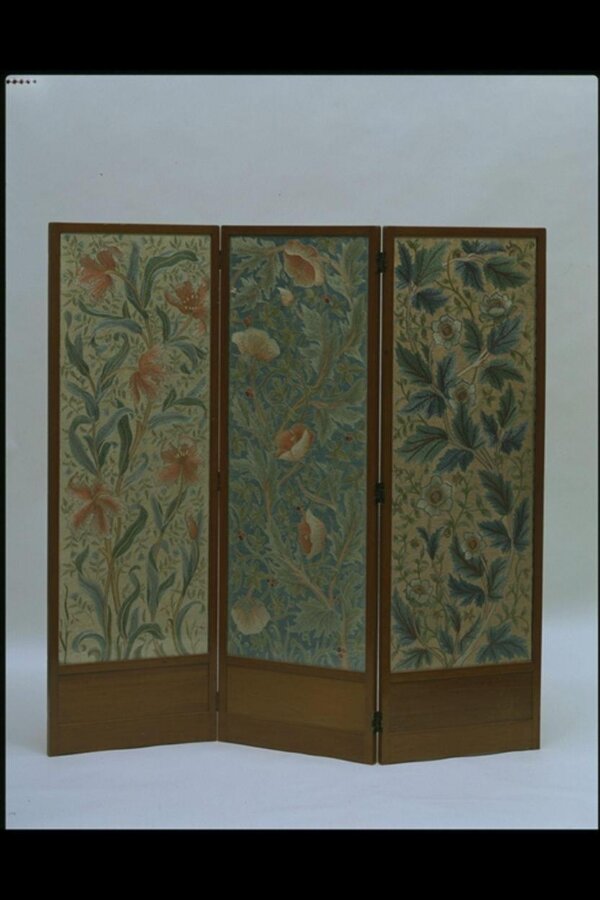
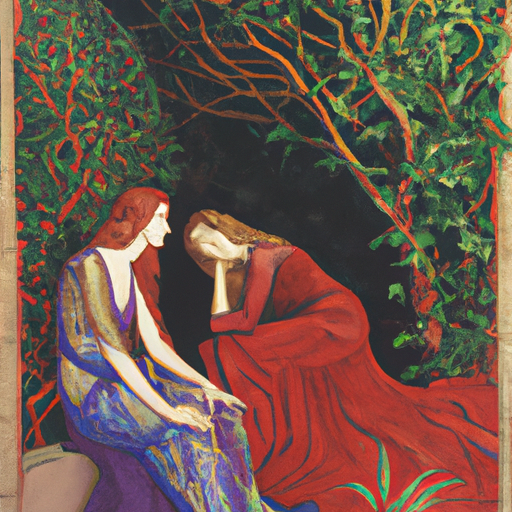
Example of visual style of Sir Edward Burne-Jones

Sir Edward Burne-Jones

Sir Edward Burne-Jones was an English artist and designer associated with the Pre-Raphaelite movement. Born in 1833, he was one of the most prominent figures in the late 19th-century British art scene. Burne-Jones's style is characterized by its romantic and mythical subject matter, intricate compositions, and meticulous attention to detail. He drew inspiration from Renaissance art, medieval legends, and classical mythology. His works often feature elongated figures, rich colors, and decorative patterns. Burne-Jones's art was known for its dreamlike and ethereal quality, transporting viewers into a mystical, otherworldly realm. His illustrations, stained glass windows, tapestries, and paintings gained him recognition and admiration both in his lifetime and posthumously.

View StyleExplore Style
Example of visual style of Sleeping Beauty

Sleeping Beauty

Sleeping Beauty is a visual style that emerged during the mid-20th century. It became famous through the 1959 animated film of the same name, produced by Walt Disney Productions. This style features vibrant colors, lavish costumes, and intricate details, creating a fantastical and romantic aesthetic. It is characterized by its graceful and elegant illustrations, inspired by medieval and Renaissance art. The iconic artistic direction of Eyvind Earle in the film brought this visual style to the forefront of popular culture.

View StyleExplore Style
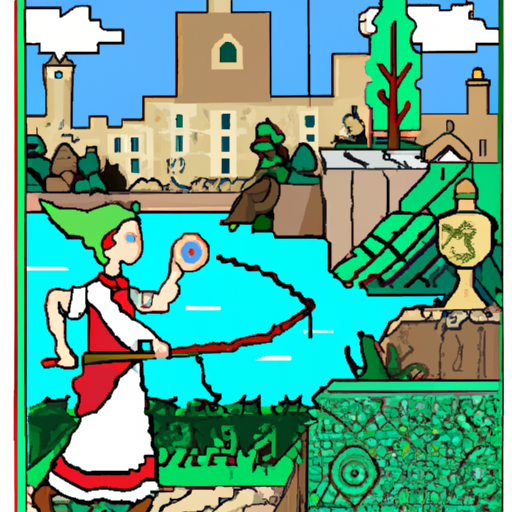
Example of visual style of The Legend Of Zelda Series

The Legend Of Zelda Series

The visual style of The Legend Of Zelda series is often described as a blend of fantasy and adventure. It first gained fame in 1986 with the release of the original Legend of Zelda game. Since then, the series has continued to captivate players with its immersive worlds, iconic characters, and intricate puzzles. The style is characterized by its vibrant and colorful environments, whimsical character designs, and a mix of medieval and futuristic elements, creating a unique and timeless visual experience.

View StyleExplore Style
Example of visual style of The Lord Of The Rings Trilogy

The Lord Of The Rings Trilogy

The visual style of The Lord Of The Rings Trilogy, directed by Peter Jackson, is a fantastical and epic blend of high fantasy, medieval elements, and richly detailed landscapes. Released between 2001 and 2003, this trilogy brought J.R.R. Tolkien's legendary world of Middle-earth to life with its groundbreaking use of visual effects, intricate set designs, and stunning cinematography. It became famous for its grand scale battles, mythical creatures, and breathtaking vistas, captivating audiences worldwide.

View StyleExplore Style
Home