
StylopediaStylopedia

Marquetry styles on Stylopedia

A visual encyclopedia of marquetry styles – use as prompt inspiration for Midjourney, Gemini, or ChatGPT AI when making marquetry images

Example of visual style of Andre Charles Boulle

Andre Charles Boulle

Andre Charles Boulle is a style that emerged in the late 17th century and was popular in the 18th century. It is named after the French cabinetmaker Andre Charles Boulle. This style is famous for its intricate marquetry work, particularly in the form of furniture and decorative objects. Boulle utilized the technique of using layers of contrasting materials such as tortoiseshell, brass, and pewter to create intricate patterns and designs. This style became synonymous with luxury and wealth, and its popularity spread throughout Europe.

View StyleExplore Style
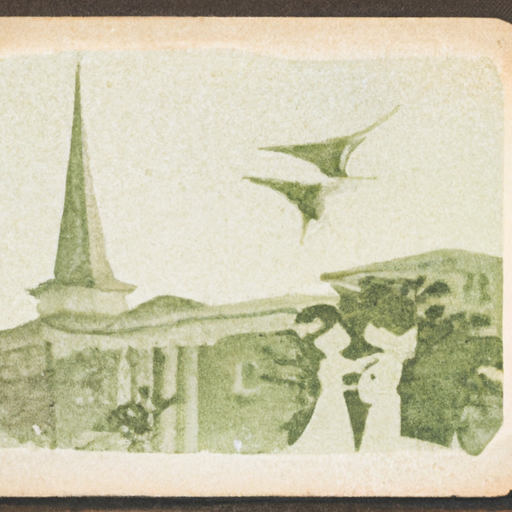
Example of visual style of Emile Galle

Emile Galle

Emile Galle is a visual style that emerged in the late 19th century and lasted until the early 20th century. It is best known for its intricate glasswork and its emphasis on natural forms and motifs. Emile Galle, a French artist and designer, played a significant role in popularizing this style. He is famous for his use of vibrant colors, organic shapes inspired by plants and flowers, and the incorporation of innovative techniques like marquetry and cameo carving in glass objects. Emile Galle's works became highly sought after due to his attention to detail and the exquisite craftsmanship displayed in each piece.

View StyleExplore Style
Example of visual style of Jean Henri Riesener

Jean Henri Riesener

Jean Henri Riesener is a style of furniture named after the renowned 18th-century French cabinetmaker. This style, prevalent from the mid-1700s to the early 1800s, is characterized by its exquisite craftsmanship, luxurious materials, and elegant designs. Riesener's furniture became famous for its exceptional quality, ornate decorative elements, and rich wood veneers. His creations often featured intricate marquetry, gilded bronze mounts, and elaborate carved motifs, showcasing the refined taste and opulent aesthetic of the French aristocracy during the reigns of Louis XVI and Marie Antoinette.

View StyleExplore Style
Home