
Akko Kagari
Akko Kagari is a style known for its whimsical and colorful designs, inspired by Japanese anime and manga. Popularized in the 21st century, this style often features exaggerated expressions and vibrant colors.
View StyleExplore Style Stylopedia
A visual encyclopedia of manga styles – use as prompt inspiration for Midjourney, Gemini, or ChatGPT AI when making manga images
Akko Kagari is a style known for its whimsical and colorful designs, inspired by Japanese anime and manga. Popularized in the 21st century, this style often features exaggerated expressions and vibrant colors.
View StyleExplore Style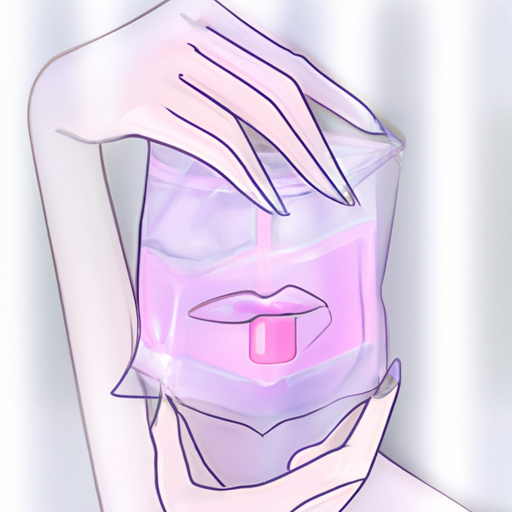
Ai Yazawa is a Japanese manga artist known for her unique and distinct visual style that emerged in the late 1990s. Her art style is characterized by its beautifully detailed and realistic characters, particularly the female protagonists. With expressive eyes, intricate fashion designs, and emotional storytelling, Yazawa's art captivates readers. Her most famous works, such as 'NANA' and 'Paradise Kiss', have gained immense popularity and critical acclaim, contributing to her recognition as one of the most influential manga artists of her generation.
View StyleExplore Style
Akiman is a Japanese illustrator and character designer known for his distinct style that became prominent in the 1980s and 1990s. His detailed and dynamic artwork has been featured in numerous video games, anime, and manga, making him a prominent figure in the industry.
View StyleExplore Style
Anime Artists is a visual style that originated in Japan in the early 20th century and became popular worldwide by the mid-20th century. This style is characterized by its distinctive exaggerated features, vibrant colors, and often fantastical themes. Anime Artists gained popularity through the rise of Japanese animation and manga, with notable years being around the 1950s and 1960s. What made this style famous is its ability to capture emotions and dynamic movements in a visually striking manner, as well as its unique storytelling techniques. It has since become a global phenomenon, inspiring countless artists and animators around the world.
View StyleExplore Style
Astro Boy, also known as Mighty Atom, is a Japanese manga and anime series created by Osamu Tezuka in the 1960s. It is known for its futuristic setting, strong storytelling, and iconic character design.
View StyleExplore Style
Brian Lee O'Malley is a comic book artist known for his unique visual style that combines elements of manga and indie comics. His work gained popularity in the mid-2000s with the release of his graphic novel series 'Scott Pilgrim'.
View StyleExplore Style
Chobits is a manga and anime series created by CLAMP in the early 2000s. It is known for its cute and futuristic art style depicting a world where human-like robots called Persocoms exist.
View StyleExplore Style
Clamp is a Japanese manga artist group known for their distinctive art style that features intricate detail, beautiful character designs, and emotive expressions. They rose to fame in the 1990s with works like Cardcaptor Sakura and xxxHolic.
View StyleExplore Style
Devilman is a visually striking 1970s Japanese manga and anime series known for its dark, violent, and grotesque art style. The detailed character designs and intense, dynamic action scenes are key elements that set Devilman apart.
View StyleExplore Style
Dnangel is an anime and manga series created by Yukiru Sugisaki. It was first serialized in 1997 and adapted into an anime series in 2003. The visual style of Dnangel is characterized by its detailed and intricate character designs, particularly the flowing and dynamic hairstyles. The use of vibrant and contrasting colors adds to the overall visually stunning experience. This style became famous for its unique blend of romance, fantasy, and action, along with its captivating storytelling.
View StyleExplore Style
Dragon Ball Z is a Japanese anime and manga series created by Akira Toriyama. It debuted in 1989 and quickly gained worldwide popularity. The visual style of Dragon Ball Z is known for its dynamic and explosive action sequences, vibrant and exaggerated character designs, and iconic transformations. It became famous for its intense battles, larger-than-life characters, and its unique blend of martial arts, science fiction, and fantasy elements.
View StyleExplore Style
Ghost In The Shell is a cyberpunk visual style that originated in Japanese manga and anime in the late 1980s. It became famous for its fusion of futuristic technology, dystopian settings, and philosophical themes. The style gained wider recognition with the release of the animated film of the same name in 1995, directed by Mamoru Oshii. The combination of detailed cityscapes, cybernetic enhancements, and introspective storytelling has made Ghost In The Shell an influential and iconic style in science fiction.
View StyleExplore Style
Giant Robot Design is a visual style influenced by Japanese popular culture, particularly manga and anime. It became famous in the 1990s with the rise of the Giant Robot magazine, showcasing artists like Takashi Murakami.
View StyleExplore Style
The Gundam Series is a popular Japanese mecha anime and manga franchise that began in 1979. Known for its futuristic giant robot suits called Mobile Suits, intricate mechanical designs, and epic space battles.
View StyleExplore Style
Hajime Isayama is known for his distinctive manga drawing style, characterized by detailed, exaggerated anatomy and expressions. His artwork is most famously featured in the manga series Attack on Titan, which gained immense popularity for its intense action scenes and complex character designs.
View StyleExplore Style
Hikari Shimoda is a Japanese pop surrealist artist known for her vibrant and whimsical paintings that combine elements of anime and manga with dark themes. Her work gained popularity in the early 2000s for its unique blend of cuteness and darkness.
View StyleExplore Style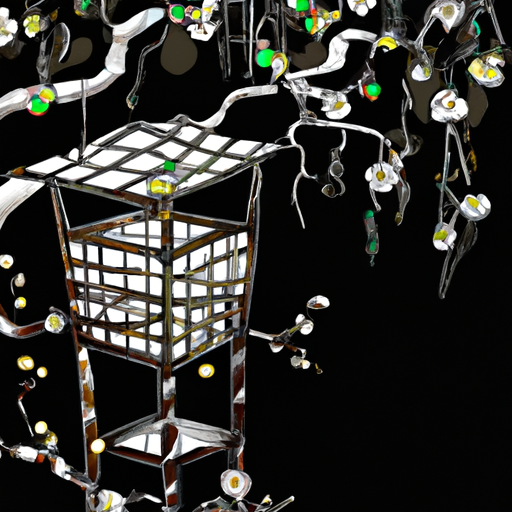
Japanese Artists is a visual style that emerged from the art and culture of Japan. It encompasses a wide range of artistic traditions and techniques that have evolved over centuries. The style became famous internationally during the late 19th and early 20th centuries, during a period known as the Japonism movement. Japanese Artists are renowned for their exquisite attention to detail, vibrant colors, and symbolic imagery. Important years for this style include the Edo period (1603-1868) and the Meiji period (1868-1912). The influence of Japanese Artists can be seen in various art forms such as ukiyo-e prints, traditional paintings, anime, manga, and contemporary art.
View StyleExplore Style
Japanese Pop Culture is a vibrant and eclectic style that emerged in the late 20th century, influenced by anime, manga, and video games. With bold colors, cute characters, and futuristic elements, it has become famous worldwide for its unique and playful aesthetic.
View StyleExplore Style
Joe Madureira is known for his unique blend of manga and American comic book styles. His work gained popularity in the 1990s for his dynamic character designs and exaggerated proportions.
View StyleExplore Style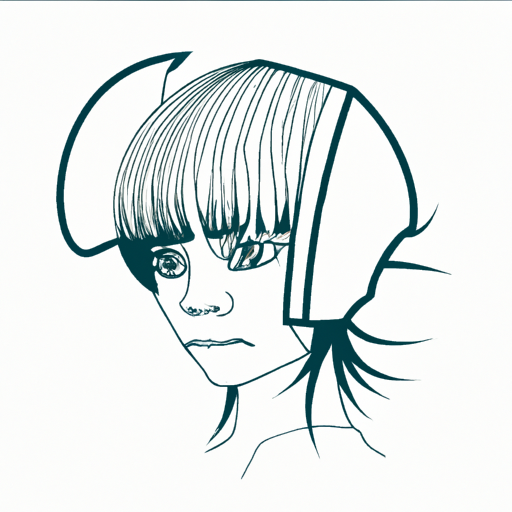
Junji Ito is a Japanese horror manga artist known for his unique and unsettling visual style. His work gained popularity in the late 1980s and early 1990s, with his signature series 'Tomie' and 'Uzumaki' becoming cult classics. Ito's art is characterized by intricate and detailed illustrations, often showcasing grotesque and macabre imagery that evokes a sense of deep unease and horror.
View StyleExplore Style
Kakifly is a Japanese manga artist known for their light-hearted and cute art style. Their work gained popularity in the mid-2000s, characterized by simple character designs and expressive facial expressions.
View StyleExplore Style
Katsu Aki is known for his distinctive art style in manga, characterized by detailed and expressive character designs, often featuring long-legged and well-endowed female characters. His work became famous in the 1990s and is often associated with romance and comedy genres.
View StyleExplore Style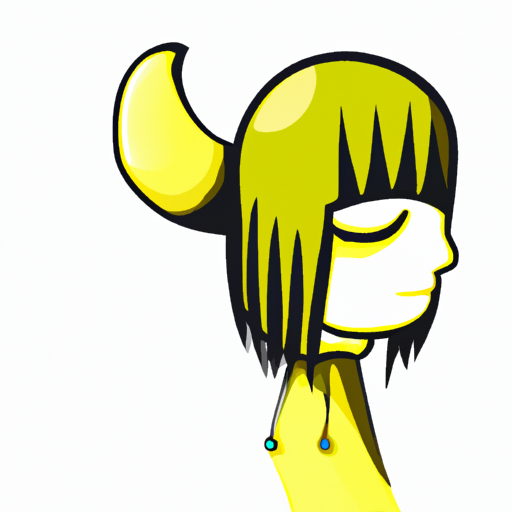
Katsuhiro Otomo is a Japanese manga artist and filmmaker known for his distinct visual style. His style emerged in the 1980s and became particularly famous with the release of his iconic cyberpunk manga series, Akira, in 1982. Otomo's style is characterized by detailed and intricate artwork, realistic depictions of cityscapes, and a gritty atmosphere. He often incorporates complex and futuristic technology, blending it with a dystopian aesthetic. Otomo's work is renowned for its attention to detail and his ability to create immersive and visually stunning worlds.
View StyleExplore Style
Ken Akamatsu is known for his distinct anime art style, characterized by large, expressive eyes, detailed backgrounds, and dynamic character designs. He rose to fame in the late 1990s with his work on the manga series Love Hina and later Negima!
View StyleExplore Style
Kyoko Mizuki is a Japanese manga artist known for her detailed and intricate illustrations in the shoujo manga genre. Her work, especially in the 1970s and 1980s, captivated audiences with its romantic and emotive storytelling, often featuring strong female leads.
View StyleExplore Style
Machiko Satonaka is a Japanese manga artist known for her detailed and realistic artwork. Her style emerged in the late 1960s and became famous for its intricate linework and expressive character designs.
View StyleExplore Style
Magic Knight Rayearth is a Japanese manga and anime series known for its vibrant and detailed art style, created by CLAMP in the 1990s. The series gained popularity for its whimsical and colorful designs, intricate character outfits, and fantastical world-building.
View StyleExplore Style
The Magical Girl Genre is a visual style that emerged in Japanese animation and manga in the 1960s and became famous in the 1990s. It features young girls who transform into powerful heroines to combat evil. The style is characterized by vibrant and colorful artwork, cute and youthful character designs, and elaborate costumes. The genre gained popularity with iconic series like Sailor Moon and Cardcaptor Sakura, which showcased the magical transformation sequences, friendship themes, and strong female protagonists.
View StyleExplore Style
Masakazu Katsura's visual style is characterized by detailed, realistic character designs with a focus on the eyes and hair. His work often features dynamic poses and action sequences, influenced by both manga and American comics. Katsura rose to fame in the 1980s with series like Wingman and Video Girl Ai.
View StyleExplore Style
Mazinger Z is a Japanese super robot manga and anime series created by Go Nagai in the 1970s. It is characterized by its dynamic action scenes, futuristic technology, and iconic robot design.
View StyleExplore Style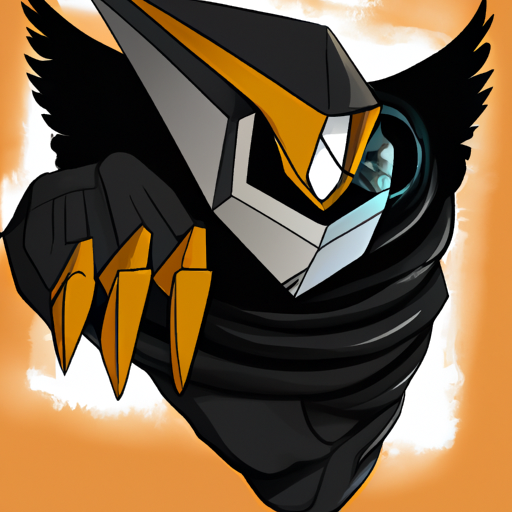
Mecha Design is a style of designing giant robotic machines, popularized in the 1970s with the introduction of giant robots in Japanese anime and manga. These designs often feature sleek and futuristic aesthetics, with a focus on mechanical detail and functionality.
View StyleExplore Style
Mio Akiyama is a character from the anime series K-On!, known for her signature black hair with side bangs, Gothic Lolita fashion style, and shy yet determined personality.
View StyleExplore Style
Miyuki Chan is an anime visual style that emerged in the late 1990s and gained popularity in the early 2000s. This style was made famous by the acclaimed manga artist CLAMP through their manga series 'Miyuki-chan in Wonderland'. The style is characterized by its vibrant colors, exaggerated expressions, and dreamlike landscapes. It often features cute and feminine characters with large eyes, petite figures, and elaborate costumes. Miyuki Chan style is known for its whimsical and fantastical elements, creating a surreal and enchanting visual experience.
View StyleExplore Style
Mizuno Junko is a Japanese manga artist known for her highly detailed and whimsical illustrations. She gained popularity in the 1990s for her unique blend of cute and grotesque imagery.
View StyleExplore Style
Mokona Apapa is a visual style that emerged in the late 1990s and gained popularity in the early 2000s. It is characterized by cute and whimsical illustrations with a distinctive emphasis on round shapes, exaggerated expressions, and bright, vibrant colors. Mokona Apapa became famous through the influential Japanese female manga artist group called CLAMP, which consists of writers and illustrators Mokona Apapa (also known as Mokona), Nanase Ohkawa, Tsubaki Nekoi, and Satsuki Igarashi. Their signature style, which includes the visual elements of Mokona Apapa, can be seen in many of CLAMP's popular works such as Cardcaptor Sakura and Tsubasa: Reservoir Chronicle.
View StyleExplore Style
Nanase Ohkawa is a Japanese manga writer known for her distinctive visual style. Her work gained prominence in the 1990s and continues to be highly acclaimed. Ohkawa's style is characterized by its intricate details, elegant linework, and expressive characters. Her use of vibrant colors and unique panel layouts also contribute to the distinctiveness of her visual style. Nanase Ohkawa is famous for her contributions to the manga group CLAMP, which she co-founded. Her collaborations with other members of CLAMP have produced iconic series like Cardcaptor Sakura, Tsubasa: Reservoir Chronicle, and xxxHolic.
View StyleExplore Style
Naruto is a Japanese manga and anime series created by Masashi Kishimoto. The visual style of Naruto is characterized by vibrant and dynamic artwork, dramatic action scenes, and elaborate character designs. The series gained popularity during the early 2000s and has since become one of the most iconic and influential anime franchises worldwide.
View StyleExplore Style
One Piece is a Japanese manga and anime series created by Eiichiro Oda. The style of One Piece is characterized by its distinct and exaggerated character designs, vibrant and colorful palette, and a blend of both realistic and cartoonish elements. The art style has evolved throughout the years, with the manga series being serialized since 1997 and the anime adaptation starting in 1999. The unique and dynamic visual style, along with its captivating storytelling and well-developed characters, has contributed to the immense popularity and fame of One Piece worldwide.
View StyleExplore Style
Osamu Tezuka was a Japanese manga artist and animator who is often referred to as the 'Godfather of Manga'. He is known for his distinctive visual style characterized by simple, rounded lines, large expressive eyes, and exaggerated facial features. Tezuka's style became famous in the 1950s and 1960s through his popular manga series such as 'Astro Boy' and 'Black Jack'. His works played a significant role in shaping the modern manga industry and establishing its visual language.
View StyleExplore Style
Rumiko Takahashi is a Japanese manga artist known for her distinctive visual style. Born in 1957, Takahashi rose to fame in the late 1970s with the release of her manga series 'Urusei Yatsura' and followed it up with acclaimed works like 'Maison Ikkoku', 'Ranma 1/2', and 'Inuyasha'. Her art style is characterized by detailed and expressive character designs, exaggerated facial expressions, and a perfect balance of comedic and dramatic elements. Takahashi's unique storytelling ability and relatable characters contributed to the popularity of her works, making her one of the most influential manga artists in history.
View StyleExplore Style
Sailor Moon is a Japanese anime and manga style that emerged in the 1990s. It became famous for its blend of magical girl themes, vibrant and colorful character designs, and its influence on popular culture. Sailor Moon is known for its iconic sailor scout uniforms, elaborate hairstyles, and large expressive eyes. The style gained a significant following worldwide and had a major impact on future anime and manga works.
View StyleExplore Style
Satsuki Igarashi is a Japanese manga artist and illustrator, known for her delicate and detailed artwork. Her style emerged in the late 1990s and gained popularity in the early 2000s. She is well-known for her work on the manga series 'Cardcaptor Sakura' and 'Tsubasa: Reservoir Chronicle', which were created in collaboration with the manga group CLAMP. Igarashi's style is characterized by its ethereal and dreamlike qualities, with soft lines, intricate patterns, and a vibrant color palette. Her ability to capture emotions and create visually stunning compositions has made her style widely recognized and cherished by fans.
View StyleExplore Style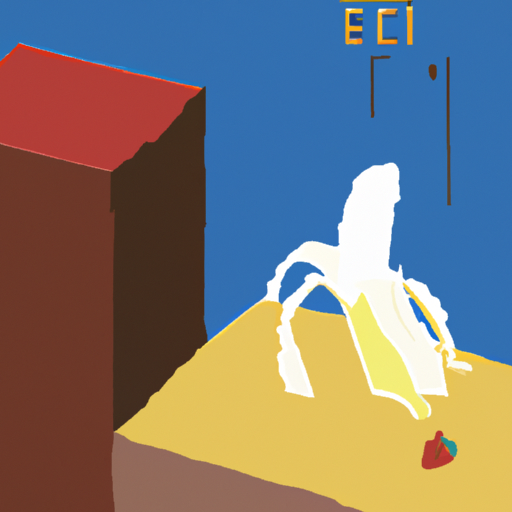
Sega's visual style became famous in the 1980s and 1990s. It is characterized by vibrant, colorful graphics and futuristic themes. Often influenced by Japanese anime and manga, Sega's style features bold and exaggerated character designs, dynamic action scenes, and vibrant backgrounds. The iconic Sega logo with its stylized, futuristic lettering is also a hallmark of this visual style.
View StyleExplore Style
Shintaro Kago is a Japanese manga artist known for his unique and surreal style that combines grotesque imagery, body horror, and absurd scenarios. His works gained popularity in the 2000s for pushing the boundaries of traditional manga.
View StyleExplore Style
Shirow Masamune is a Japanese manga artist known for his detailed and intricate art style. His work often combines cyberpunk themes with futuristic technology, creating visually stunning and immersive worlds. Masamune rose to fame in the 1980s and is recognized for his iconic works such as Ghost in the Shell.
View StyleExplore Style
Shōjo is a visual style that originated in Japan in the late 19th century and gained prominence in the mid-20th century. It is characterized by its focus on young, feminine aesthetics, delicate lines, and pastel color palettes. Shōjo gained popularity in the 1950s and 1960s with the rise of manga and anime targeted towards young girls. The style became famous for its expressive characters, romantic narratives, and emotional storytelling, often exploring themes of love, friendship, and personal growth.
View StyleExplore Style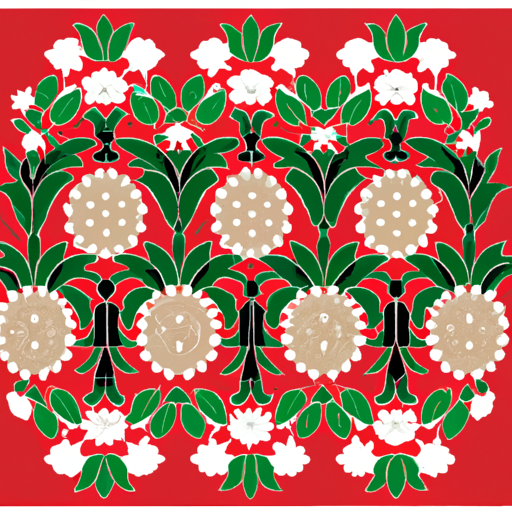
Shōnen is a visual style that originated in Japan in the late 19th century and is still popular today. It emerged during the Meiji era and gained significant recognition in the 20th and 21st centuries. Shōnen, which translates to 'boy' in Japanese, is characterized by its vibrant and dynamic artistic elements, featuring bold lines, exaggerated proportions, and intense action sequences. It focuses primarily on stories and characters aimed at young boys, often involving themes of adventure, heroism, friendship, and growth. Shōnen manga and anime, such as 'Dragon Ball' and 'One Piece', have gained international fame and contributed to the popularity of this style.
View StyleExplore Style
The visual style of Shotaro Ishinomori, a prominent manga artist in the 1960s and 1970s, is characterized by detailed linework, dynamic compositions, and expressive character designs. His work is known for blending science fiction and fantasy themes with emotional storytelling.
View StyleExplore Style
Shueisha is a Japanese publishing company known for its iconic manga magazine Weekly Shonen Jump. Founded in 1926, Shueisha's visual style is characterized by bold, dynamic artwork and vibrant colors that have influenced generations of manga artists.
View StyleExplore Style
Sonic Team is a visual style that emerged in the 1990s and became famous for its vibrant and energetic design aesthetic. It originated from the video game company Sega's development team called Sonic Team, known for creating the popular Sonic the Hedgehog series. The style is characterized by its bold use of bright colors, sleek and futuristic designs, and a sense of speed and movement. It combines elements of Japanese pop culture, manga, and techno-futurism to create a visually dynamic and captivating experience.
View StyleExplore Style
Studio Deen is a Japanese animation studio known for its diverse range of visual styles and adaptations of popular manga and light novels. Founded in 1975, Studio Deen is famous for their work on iconic series like Fate/stay night, Higurashi When They Cry, and Konosuba.
View StyleExplore Style
Superflat is an art movement that emerged in Japan in the late 1990s. Coined by the artist Takashi Murakami, the name refers to the flat, two-dimensional aesthetic often associated with traditional Japanese art and contemporary Japanese popular culture. Superflat combines elements of anime, manga, commercial art, and fine art to create a visually striking and bold style. It gained significant attention and popularity for its critique of consumerism and mass media, as well as its incorporation of Japanese cultural motifs. Some important years in the development of Superflat include the late 1990s and early 2000s, when artists like Murakami, Yoshitomo Nara, and Chiho Aoshima gained international recognition for their work.
View StyleExplore Style
Takashi Murakami is a Japanese contemporary artist known for his vibrant, anime-inspired works. He combines traditional Japanese art forms with popular culture, particularly manga and anime, to create a unique style that has captivated audiences worldwide. Murakami's art is characterized by bold colors, intricate patterns, and a playful, cartoon-like aesthetic. His works often feature cheerful and cute characters, such as his signature character, Mr. DOB. Murakami rose to international fame in the late 1990s and early 2000s, becoming a prominent figure in the Superflat movement, which sought to blend high and low art. He has collaborated with major brands and designers, including Louis Vuitton, and has exhibited his work in renowned museums and galleries around the world.
View StyleExplore Style
Tite Kubo's visual style is characterized by intricate linework, detailed character designs, and bold, dynamic compositions. His work on the popular manga and anime series, Bleach, has made him famous worldwide.
View StyleExplore Style
Tsubasa Reservoir Chronicle is a visually stunning manga and anime series that was created by the renowned group of manga artists known as Clamp. The series started in 2003 and quickly gained fame for its mesmerizing aesthetics and intricate character designs. With its imaginative settings, detailed backgrounds, and beautifully illustrated costumes, Tsubasa Reservoir Chronicle captivated audiences worldwide. The style became famous for its blend of fantasy, adventure, and romance, and its popularity helped solidify Clamp's reputation as master visual storytellers.
View StyleExplore Style
Weekly Shonen Jump is a popular manga magazine style that has been influential in the world of manga and anime. It was first published in 1968 by Shueisha and is known for its serialized stories, targeted towards young boys, packed with action, adventure, and humor. Weekly Shonen Jump became famous for introducing iconic and long-running series such as Dragon Ball, Naruto, One Piece, and Bleach. It has been a platform for talented manga artists to showcase their work and has contributed immensely to shaping the manga industry.
View StyleExplore Style
Xxxholic is a manga and anime series created by the group of artists known as CLAMP. It was first published in 2003, and gained popularity for its unique visual style and intriguing storyline. The art style of Xxxholic is characterized by its detailed and intricate designs, with a focus on elegant and exaggerated characters. The use of thin, delicate lines and intricate patterns create a sense of mystery and fantasy, while the use of contrasting light and dark shades adds depth and dimension to the artwork. Xxxholic's visual style is famous for its surreal and dreamlike atmosphere, with supernatural elements seamlessly blending into everyday life.
View StyleExplore Style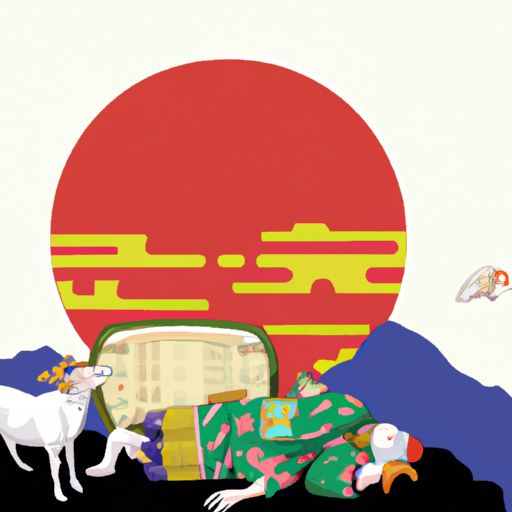
Yasuhiko Yoshikazu is a renowned Japanese manga artist known for his exceptional attention to detail, realistic character designs, and expressive storytelling. He rose to fame in the 1970s and continues to be celebrated for his contributions to the medium.
View StyleExplore Style
Yasuhiro Nightow is a Japanese manga artist known for his detailed artwork, distinct character designs, and gritty, dark settings. He rose to fame in the 1990s with his popular series Trigun
View StyleExplore Style
Yoshihiro Togashi's visual style is characterized by detailed character designs, dynamic action scenes, and expressive facial expressions. He is known for creating popular manga series such as Yu Yu Hakusho and Hunter x Hunter.
View StyleExplore Style