StylopediaStylopedia

Magical styles on Stylopedia

A visual encyclopedia of magical styles – use as prompt inspiration for Midjourney, Gemini, or ChatGPT AI when making magical images

Example of visual style of Aladdin Film

Aladdin Film

The visual style of the Aladdin film is a vibrant and magical blend of Arabian and Islamic influences, characterized by intricate ornamentation, rich color palettes, and exotic landscapes. Released in 1992, Aladdin gained fame for its captivating animation and stunning visual effects, pushing the boundaries of traditional hand-drawn animation. The film's distinctive style was inspired by Islamic art and architecture, transporting viewers to a whole new world of fantasy and wonder.

View StyleExplore Style
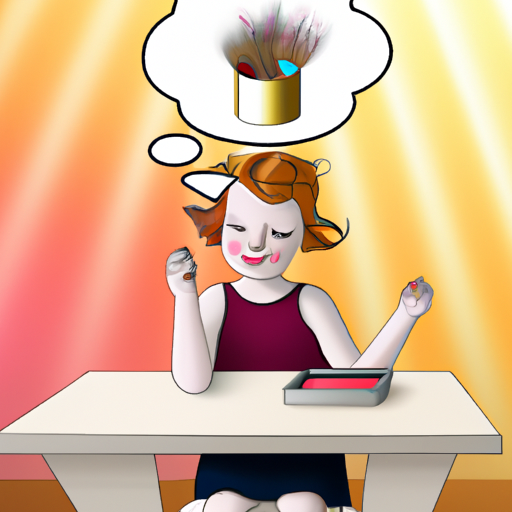
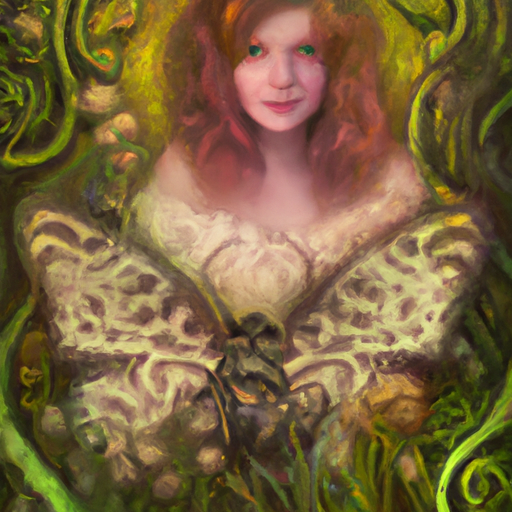
Example of visual style of Amelie Poulain

Amelie Poulain

Amelie Poulain is a visual style that became famous after the release of the French film 'Amelie' in 2001. It is known for its whimsical, vintage-inspired aesthetic with a touch of nostalgia. The style features vibrant colors, playful compositions, and dreamlike imagery. It often incorporates elements of retro and surrealism, creating a magical and romantic atmosphere. The film's success and critical acclaim contributed to the popularity of this style in contemporary art and design.

View StyleExplore Style
Example of visual style of Brian Frouds Faeries

Brian Frouds Faeries

Brian Froud's Faeries is a captivating visual style known for its intricate and whimsical depictions of faeries and magical creatures. Developed by Brian Froud, an English fantasy artist and conceptual designer, this style gained fame in the 1970s and 1980s through Froud's collaborations with author Alan Lee on the influential book 'Faeries' and the movie 'The Dark Crystal'. Froud's attention to detail and ability to bring fantastical creatures to life made this style widely celebrated and beloved by fantasy enthusiasts and art lovers alike.

View StyleExplore Style
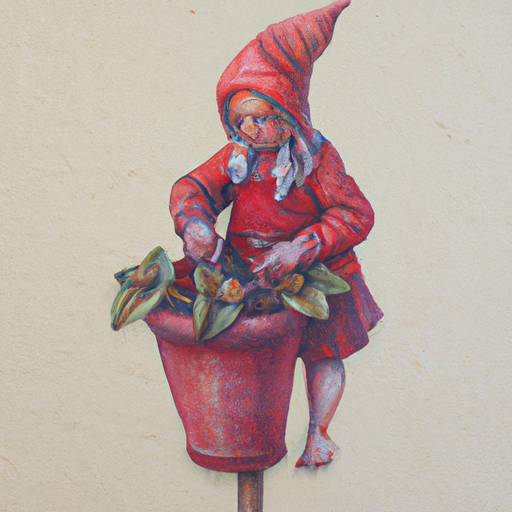
Example of visual style of Disney Animated Films

Disney Animated Films

Disney Animated Films is a style of animation that is characterized by its vibrant and colorful visuals, whimsical characters, and heartwarming stories. It became famous in the early 20th century when Walt Disney and his team revolutionized the animation industry with iconic films like Snow White and the Seven Dwarfs (1937), Fantasia (1940), and Cinderella (1950). These films introduced innovative techniques and showcased the magic of animation, captivating audiences worldwide.

View StyleExplore Style
Example of visual style of Disney Animations

Disney Animations

Disney Animations is a renowned style of animated films and cartoons that emerged in the early 20th century and is still prevalent today. It became famous for its innovative techniques and charming storytelling. Disney Animations gained prominence in 1928 with the release of 'Steamboat Willie', the first synchronized sound cartoon featuring the iconic character, Mickey Mouse. Over the years, Disney has continued to produce memorable classics such as 'Snow White and the Seven Dwarfs' (1937), 'The Lion King' (1994), and 'Frozen' (2013). The style encompasses vibrant and colorful visuals, fluid character movements, expressive facial features, and attention to detail in both characters and backgrounds. It is characterized by its ability to captivate audiences of all ages with its magical and enchanting narratives.

View StyleExplore Style
Example of visual style of Fantasy Filmmaking

Fantasy Filmmaking

Fantasy Filmmaking is a visual style characterized by its imaginative and magical elements. It often combines elements of mythology, folklore, and fairy tales to create a world of wonder and enchantment. This style gained popularity in the early 20th century with iconic films like 'The Wizard of Oz' (1939) and 'Snow White and the Seven Dwarfs' (1937). The use of vibrant colors, otherworldly creatures, and breathtaking landscapes are key features that made this style famous. It transports viewers to fantastical realms filled with dragons, witches, and heroic quests, captivating audiences with its sense of wonder and escapism.

View StyleExplore Style
Example of visual style of Fantasy Films

Fantasy Films

Fantasy Films is a visual style that focuses on creating magical and imaginative worlds through the use of special effects and otherworldly elements. This style became famous in the early 20th century with the advent of cinema and the desire to transport audiences into fantastical realms. It gained popularity with iconic films such as The Wizard of Oz (1939) and later with franchises like The Lord of the Rings (2001-2003) and Harry Potter (2001-2011). Through the use of enchanting settings, mythical creatures, and epic narratives, fantasy films captivate viewers with their ability to suspend reality and immerse audiences in extraordinary storytellings.

View StyleExplore Style
Example of visual style of Hans Christian Andersen

Hans Christian Andersen

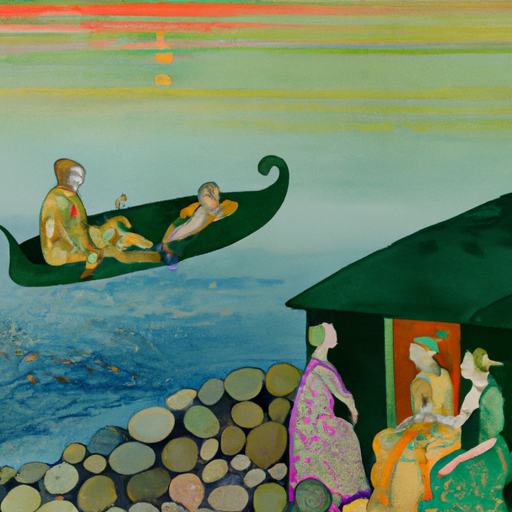
The Hans Christian Andersen visual style, popular during the 19th century, is characterized by folk-inspired illustrations that often depict whimsical and fantastical elements. This style gained fame due to the illustrations created by Danish author and fairy tale writer Hans Christian Andersen, who collaborated with numerous artists to bring his stories to life in captivating visual form. The illustrations typically feature a mix of intricate details, vibrant colors, and imaginative scenes, providing a magical and enchanting atmosphere to complement the fairy tales.

View StyleExplore Style
Example of visual style of Studio Ghibli

Studio Ghibli

Studio Ghibli is a Japanese animation studio known for its distinctive visual style characterized by richly detailed hand-drawn animation, fantastical landscapes, and enchanting storytelling. Founded in 1985 by filmmakers Hayao Miyazaki and Isao Takahata, Studio Ghibli rose to prominence in the late 1980s and early 1990s with films like Castle in the Sky (1986), My Neighbor Totoro (1988), and Princess Mononoke (1997). The studio's attention to meticulous animation, attention to natural environments, and emphasis on themes of environmentalism and the human connection to nature have made Studio Ghibli famous worldwide.

View StyleExplore Style
Home