
Digital Industry
The Digital Industry visual style emerged in the late 20th century and became famous for its sleek and futuristic aesthetic, incorporating elements of technology, machinery, and industrial design.
View StyleExplore Style Stylopedia
A visual encyclopedia of machinery styles – use as prompt inspiration for Midjourney, Gemini, or ChatGPT AI when making machinery images
The Digital Industry visual style emerged in the late 20th century and became famous for its sleek and futuristic aesthetic, incorporating elements of technology, machinery, and industrial design.
View StyleExplore Style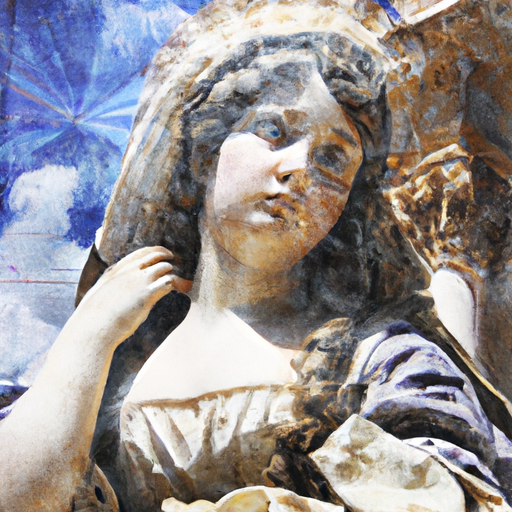
Francesco Pratella is an Italian visual artist known for his avant-garde and futuristic style during the early 20th century. Born in 1880, Pratella's work became famous during the years 1909-1914. He was a prominent figure in the Italian Futurism movement, which aimed to capture the energy, speed, and dynamism of modern life through art and literature. Pratella's style was characterized by vibrant colors, geometric shapes, and a sense of movement. He often depicted industrial landscapes, urban scenes, and machinery, emphasizing the rapid changes brought by technology. Pratella's bold and innovative approach to art made a lasting impact on the Futurist movement and influenced many future artists.
View StyleExplore Style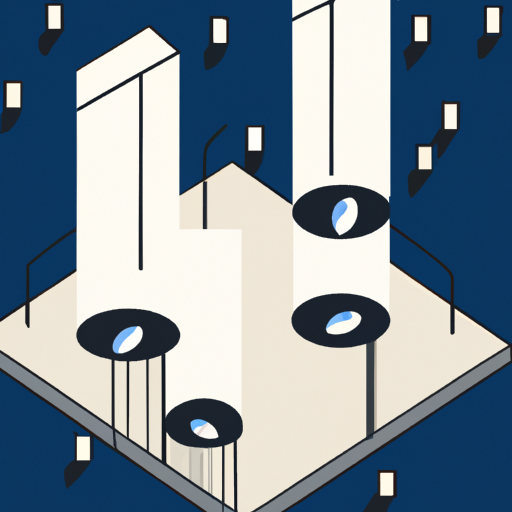
Futurist Neo Metropolis is a visual style that emerged in the early 20th century, specifically between 1909 and 1944. It was made famous by artists and designers who envisioned a futuristic and utopian urban environment. This style is characterized by its dynamic and geometric shapes, streamlined architecture, bold and vibrant colors, and the integration of technology and machinery into everyday life. Futurist Neo Metropolis emphasizes progress, speed, and the idea of a highly advanced and efficient cityscape.
View StyleExplore Style
The Industrial Revolution visual style emerged during the late 18th to early 19th centuries characterized by mechanization, urbanization, and technological advancements. It is famous for its use of iron, steel, and machinery in architecture and design.
View StyleExplore Style
Italian Futurism was an avant-garde movement in the early 20th century that emerged in Italy. It celebrated modernity, speed, technology, and the future. It was founded in 1909 by Filippo Tommaso Marinetti. Italian Futurism gained fame for its energetic and dynamic compositions, depicting movement, machinery, and the energy of modern life. It was characterized by bold colors, fragmented forms, and a sense of speed and motion. The movement was highly influential and had a significant impact on the development of modern art.
View StyleExplore Style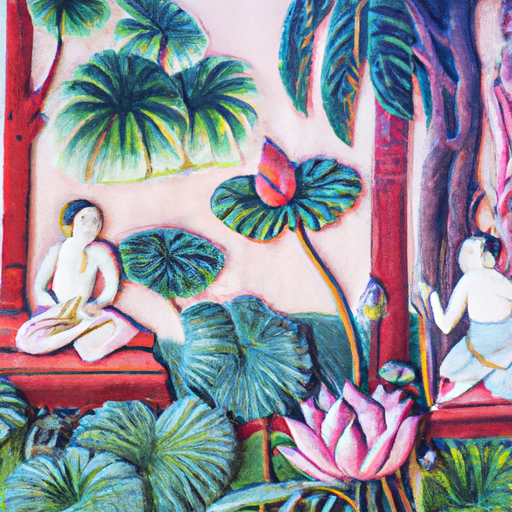
Nivanh Chanthara is a digital artist known for his captivating and immersive cinematic artworks. His style is characterized by its futuristic and dystopian atmosphere, showcasing vast cityscapes, highly detailed machinery, and striking characters. Chanthara's work gained recognition in the late 2000s for its stunning attention to detail, use of vibrant colors, and strong storytelling elements. His unique style has made him a prominent figure in the digital art community, inspiring many aspiring artists to explore this genre.
View StyleExplore Style
Takuji Kawano is a Japanese artist known for his intricate and surreal pencil drawings. His work often explores themes of nature, anatomy, and machinery, creating a dream-like quality that captivates viewers. Kawano's work gained popularity in the late 20th century for its unique blend of realism and fantasy.
View StyleExplore Style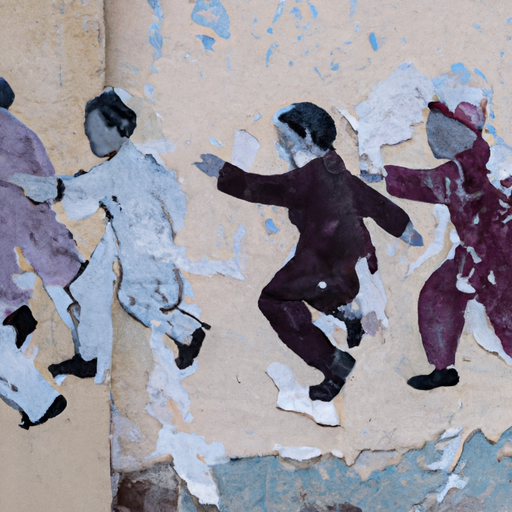
The visual style of The City Of Lost Children, a film released in 1995 and directed by Jean-Pierre Jeunet and Marc Caro, is a dark and fantastical mix of steampunk, dystopia, and surrealism. This style is known for its intricate and meticulously designed sets, with a focus on industrial machinery, bizarre inventions, and twisted architecture. The film gained fame for its innovative use of practical effects and visual storytelling, creating a unique and haunting world where dreams and nightmares blend together.
View StyleExplore Style