StylopediaStylopedia

Luxury styles on Stylopedia

A visual encyclopedia of luxury styles – use as prompt inspiration for Midjourney, Gemini, or ChatGPT AI when making luxury images

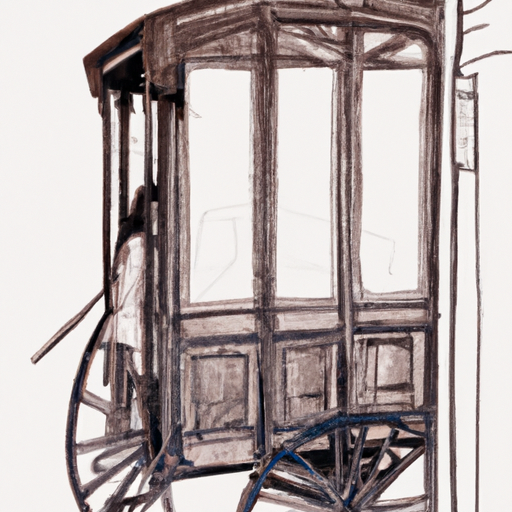
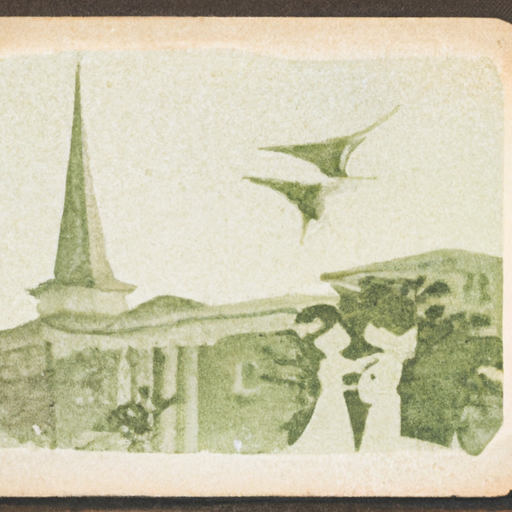
Example of visual style of American Gilded Age

American Gilded Age

The American Gilded Age was a visual style prevalent during the late 19th to early 20th century in America. This era, from the 1870s to the early 1900s, was characterized by extravagant wealth, opulence, and a desire for material display. The style emerged as a result of industrialization, economic prosperity, and the rise of the upper class. Notable features include ostentatious architecture, elaborate ornamentation, and ostensible luxury. The American Gilded Age is famous for its grand mansions, luxurious interiors, and excessive indulgence in an era of stark social inequality.

View StyleExplore Style
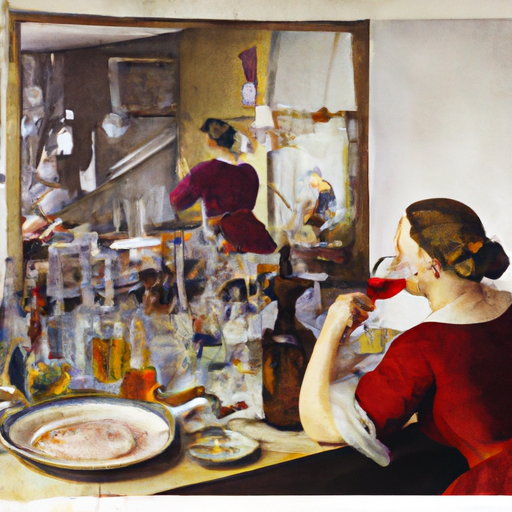
Example of visual style of Andre Charles Boulle

Andre Charles Boulle

Andre Charles Boulle is a style that emerged in the late 17th century and was popular in the 18th century. It is named after the French cabinetmaker Andre Charles Boulle. This style is famous for its intricate marquetry work, particularly in the form of furniture and decorative objects. Boulle utilized the technique of using layers of contrasting materials such as tortoiseshell, brass, and pewter to create intricate patterns and designs. This style became synonymous with luxury and wealth, and its popularity spread throughout Europe.

View StyleExplore Style
Example of visual style of Belle Epoque

Belle Epoque

Belle Epoque, or 'Beautiful Era', refers to the period from the late 19th century to the outbreak of World War I in 1914. It was a time of opulence, glamour, and innovation in Europe and the United States. This era saw the rise of modern industrialization, technological advancements, and a flourishing of arts and culture. The Belle Epoque was marked by a commitment to beauty and optimism, with an emphasis on luxurious and ornate designs. The famous landmarks of this period include the Eiffel Tower, the Paris Metro, and the Exposition Universelle. This era is characterized by its grandeur, intricate detailing, and the fusion of different artistic influences.

View StyleExplore Style
Example of visual style of Burberry

Burberry

Burberry is a British luxury fashion brand known for its timeless and sophisticated design. Established in 1856 by Thomas Burberry, the brand gained popularity for its iconic trench coat, which was first created in the early 1900s for British military officers. The Burberry style is characterized by its sleek and classic aesthetic, combining traditional tailoring with modern elements. Over the years, Burberry has become synonymous with plaid patterns, fine craftsmanship, and a sense of British heritage. The brand's famous check pattern, introduced in the 1920s, has become an iconic symbol of luxury and elegance.

View StyleExplore Style
Example of visual style of French Opera

French Opera

French Opera is a visual style that emerged in France during the 17th and 18th centuries. It became prominent during the reign of Louis XIV and continued to flourish throughout the Enlightenment period. This style is most famous for its opulence, grandeur, and theatricality. It was characterized by extravagant costumes, elaborate stage designs, and intricate set pieces. French Opera combined elements of baroque and rococo aesthetics, combining rich ornamentation, delicate details, and a sense of luxury. The style gained popularity due to the influence of important composers like Jean-Baptiste Lully and Jean-Philippe Rameau. It became a symbol of French culture and artistic expression.

View StyleExplore Style
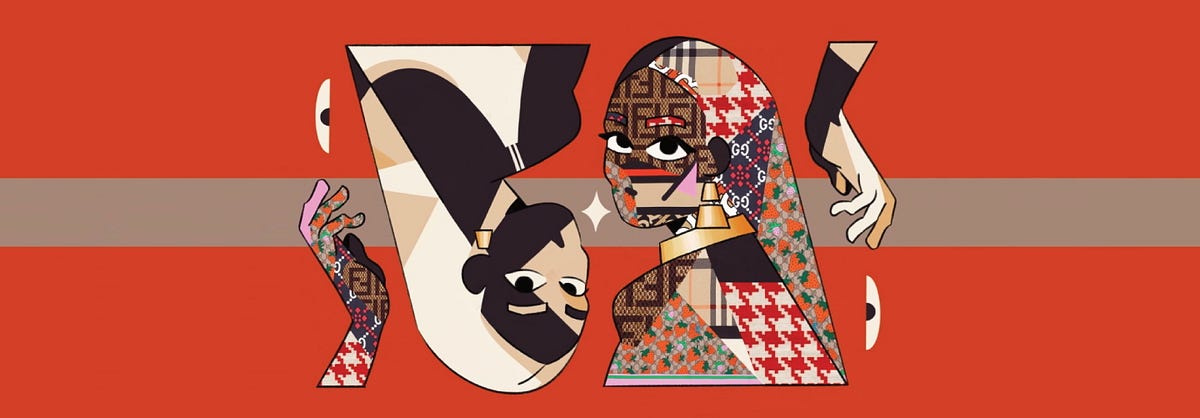
Example of visual style of Gucci

Gucci

Gucci is a luxury fashion brand known for its eclectic, bold, and extravagant aesthetic. Founded in Florence in 1921 by Guccio Gucci, the brand gained popularity in the 1960s for its iconic logo and high-quality craftsmanship. Gucci became famous for its innovative designs, incorporating elements such as vibrant colors, intricate patterns, and lavish embellishments. The brand's style is a fusion of traditional Italian luxury and contemporary boldness, creating a unique and distinctive look that has attracted a wide range of fashion enthusiasts and celebrities.

View StyleExplore Style
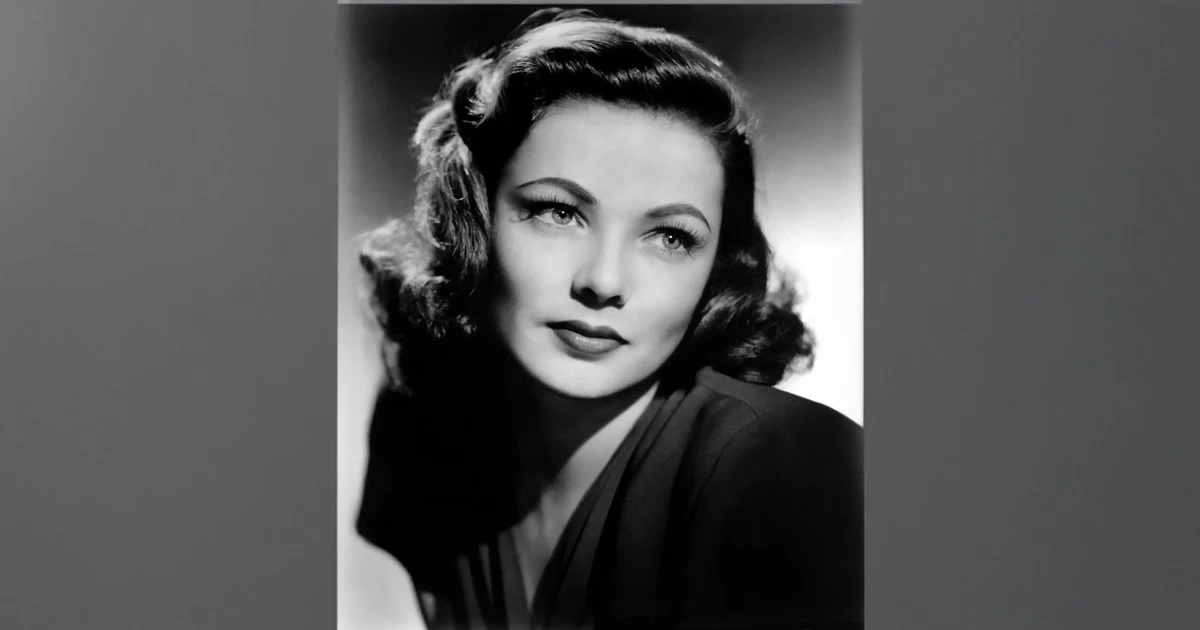
Example of visual style of Haute Couture

Haute Couture

Haute Couture is a high-fashion style that emerged in the mid-19th century and continues to define luxury and exclusivity in the world of fashion. Originating in Paris, France, Haute Couture refers to custom-made, handcrafted garments that are created with exceptional attention to detail and craftsmanship. This style became famous during the 20th century, with notable years such as the 1920s and the post-World War II period. Haute Couture gained its reputation through its association with renowned fashion houses and designers like Chanel, Dior, and Balenciaga, who pushed the boundaries of creativity and revolutionized the industry. Characterized by its intricacy, innovation, and quality, Haute Couture has become synonymous with elegance, sophistication, and unparalleled luxury.

View StyleExplore Style
Example of visual style of Hermes

Hermes

Hermes is a visual style that emerged in the late 19th century and became famous in the early 20th century. It is characterized by its emphasis on luxury, elegance, and fine craftsmanship. With its roots in the fashion industry, Hermes is renowned for its high-quality and timeless designs. The style gained popularity through the use of vibrant colors, intricate patterns, and exquisite details. It became an icon of luxury and sophistication, attracting a prestigious clientele worldwide.

View StyleExplore Style
Example of visual style of Jean Henri Riesener

Jean Henri Riesener

Jean Henri Riesener is a style of furniture named after the renowned 18th-century French cabinetmaker. This style, prevalent from the mid-1700s to the early 1800s, is characterized by its exquisite craftsmanship, luxurious materials, and elegant designs. Riesener's furniture became famous for its exceptional quality, ornate decorative elements, and rich wood veneers. His creations often featured intricate marquetry, gilded bronze mounts, and elaborate carved motifs, showcasing the refined taste and opulent aesthetic of the French aristocracy during the reigns of Louis XVI and Marie Antoinette.

View StyleExplore Style
Example of visual style of Louis XV Style

Louis XV Style

The Louis XV Style, also known as the Rococo style, flourished in France from 1730 to 1760 during the reign of King Louis XV. This style marked a departure from the formal and symmetrical designs of the preceding Baroque era. Known for its opulence and delicate ornamentation, the Louis XV Style embraced asymmetry, lightness, and frivolity. It was characterized by sinuous and curvaceous forms, intricate detailing, and a profusion of decorative elements such as shell motifs, scrolls, and intricate foliage. The Louis XV Style became famous for its emphasis on luxury, comfort, and elegance, which catered to the tastes of the French aristocracy of the time.

View StyleExplore Style
Home