StylopediaStylopedia

Luxurious styles on Stylopedia

A visual encyclopedia of luxurious styles – use as prompt inspiration for Midjourney, Gemini, or ChatGPT AI when making luxurious images

Example of visual style of Alber Elbaz

Alber Elbaz

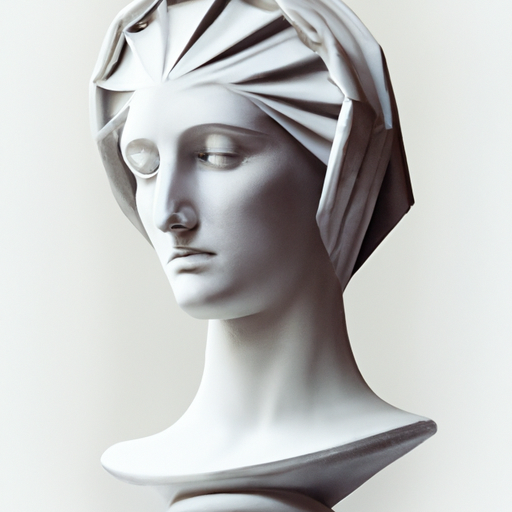
Alber Elbaz is known for his elegant and feminine designs that combine modernity with timeless sophistication. His style can be described as architectural, fluid, and refined. Elbaz rose to fame during his tenure as the creative director at Lanvin from 2001 to 2015, where he rejuvenated the brand and earned critical acclaim. Known for his attention to detail and exquisite craftsmanship, Elbaz's designs often feature draping, pleating, and luxurious fabrics. His ability to create flattering silhouettes and his emphasis on celebrating women's individuality have made him a beloved figure in the fashion industry.

View StyleExplore Style
Example of visual style of Art Deco

Art Deco

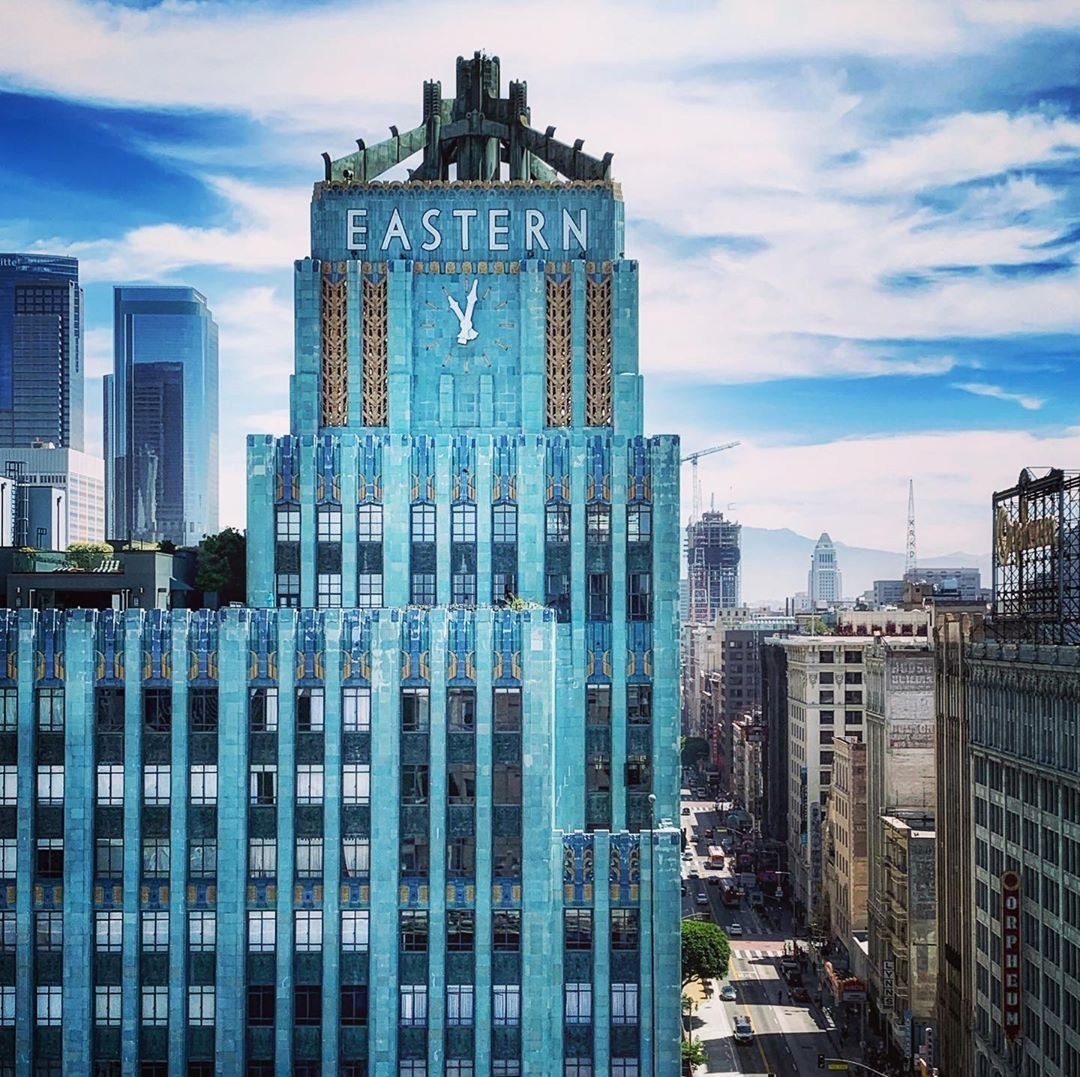
Art Deco is a visual style that emerged in the 1920s and 1930s, reaching its peak popularity in the 1920s. It is characterized by geometric shapes, clean lines, and bold colors. Art Deco became famous for its elegant and luxurious aesthetics, inspired by modern technology and the industrialization of the time. It combined traditional craftsmanship with the use of modern materials, such as chrome, glass, and lacquer. The style was often associated with wealth, glamour, and luxury, and it was seen in architecture, interior design, fashion, and visual arts.

View StyleExplore Style
Example of visual style of Baroque

Baroque

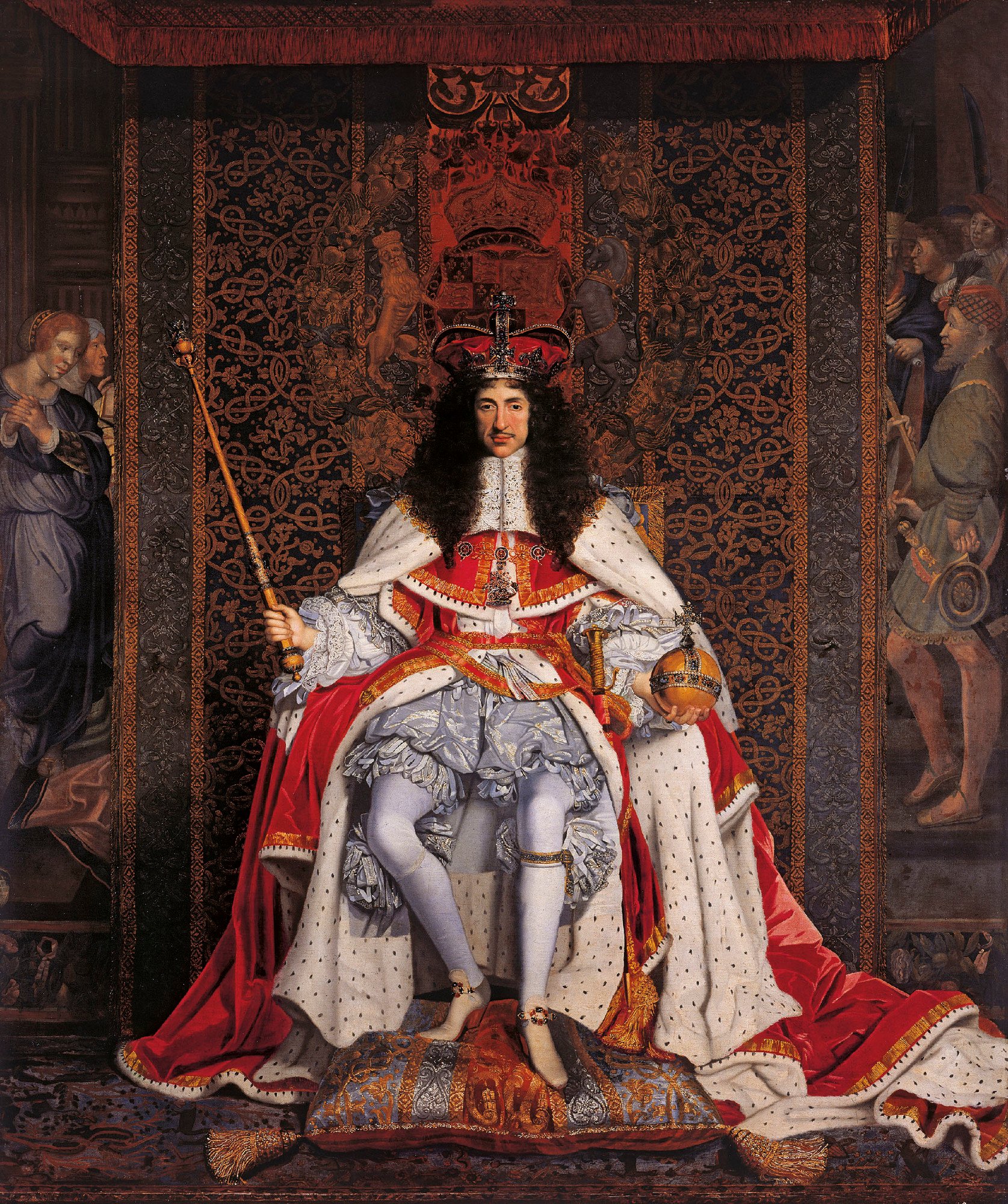
Baroque is a highly ornamental and dramatic style that emerged in Europe around the late 16th century and remained prominent until the early 18th century. It is known for its grandeur, opulence, and theatricality. Baroque style captivated audiences with its elaborate details, exaggerated gestures, and vibrant colors. It was characterized by the use of dynamic and sweeping curves, intricate ornamentation, and abundant decorative elements. This style became famous for its luxuriousness and the way it evoked strong emotions through its ornate compositions and intense lighting effects.

View StyleExplore Style
Example of visual style of Beaux Arts Style

Beaux Arts Style

Beaux Arts Style, also known as Academic Art or French Renaissance Revival, was a prominent architectural and decorative arts style from the late 19th century to the early 20th century. It flourished between the years 1885 to 1920 and gained popularity in France and the United States. This style is characterized by its grandeur, classical references, and ornate detailing. Beaux Arts buildings often featured symmetrical facades, elaborate ornamentation, and a combination of different architectural elements like columns, pediments, and domes. The use of noble materials, such as marble, stone, and bronze, added to the luxurious appeal of this style. The Beaux Arts Style became famous through prominent architectural landmarks such as the Paris Opéra, Grand Central Terminal in New York City, and the Fine Arts Palace in San Francisco.

View StyleExplore Style
Example of visual style of Big Little Lies TV Series

Big Little Lies TV Series

The visual style of Big Little Lies is a blend of luxurious coastal living, high-end fashion, and the dark secrets lurking beneath the surface of a seemingly perfect world. The series showcases stunning ocean views, elegant interiors, and impeccable designer wardrobes to create a visually captivating backdrop for the drama to unfold. Released in 2017, the show's intricate storytelling and dynamic characters have made it a standout in the TV landscape.

View StyleExplore Style
Example of visual style of Carolyne Roehm

Carolyne Roehm

Carolyne Roehm is an influential American designer known for her elegant and refined aesthetic. Her visual style encompasses classic and timeless elements, with a focus on luxurious materials and impeccable craftsmanship. Roehm rose to fame in the 1980s as a fashion designer and later transitioned into home décor and event planning. She gained attention for her attention to detail and ability to create stunning and sophisticated spaces. Carolyne Roehm is renowned for her use of florals, pastel color palettes, and intricate patterns, which have become iconic in her work.

View StyleExplore Style
Example of visual style of Catherine Deneuve

Catherine Deneuve

Catherine Deneuve is a style characterized by elegance, sophistication, and timeless beauty. Known for her roles in French films during the 1960s and 1970s, Deneuve became a style icon with her signature polished and refined looks. Her style drew inspiration from the chic and glamorous fashion of the era, but with her own unique twist. Deneuve was famous for her sleek hairstyles, flawless makeup, and her ability to effortlessly exude an air of mystery and allure. Her fashion choices often featured tailored silhouettes, luxurious fabrics, and a combination of classic and avant-garde designs. Catherine Deneuve's style remains influential and continues to inspire fashion lovers around the world.

View StyleExplore Style
Example of visual style of Christian Dior

Christian Dior

Christian Dior is a French fashion house known for its luxurious and elegant visual style. The style emerged in the late 1940s and became famous with the introduction of Dior's 'New Look' in 1947. The 'New Look' was characterized by a cinched waist, full skirt, and emphasized femininity. It revolutionized post-war fashion and brought a sense of opulence back to the industry. Dior's designs were often elaborate, with intricate detailing, luxurious fabrics, and a focus on tailored silhouettes.

View StyleExplore Style
Example of visual style of Colin Cowie

Colin Cowie

Colin Cowie is a renowned event planner and designer known for his glamorous and sophisticated visual style. With his career spanning over three decades, Cowie became famous for his luxurious and meticulously planned events. His style emerged in the late 1990s and continues to evolve, combining opulence, precision, and attention to detail. Cowie's work has been featured in numerous publications and he has become a trusted name in event planning and design on an international scale.

View StyleExplore Style
Example of visual style of Cosmopolitan

Cosmopolitan

Cosmopolitan is a visual style that emerged in the 1920s and became popular in the following decades. It is characterized by its glamorous and luxurious aesthetic, influenced by the Art Deco movement. The style is known for its bold, vibrant colors, sleek lines, and geometric shapes. It combines elements of modernism with a sense of extravagance and opulence. This visual style rose to fame during the Roaring Twenties, when Cosmopolitan magazine became an iconic publication that epitomized the glamorous lifestyle and aspirations of the modern woman. The era also saw the rise of Hollywood and the silver screen, which further popularized the Cosmopolitan style with its lavish sets and glamorous costumes.

View StyleExplore Style
Example of visual style of David Tutera

David Tutera

David Tutera is a renowned event planner and designer who is known for his luxurious and extravagant style. He rose to fame in the late 1990s and early 2000s for his expertise in creating opulent and visually stunning events, particularly weddings. Tutera is famous for his attention to detail, impeccable taste, and ability to transform ordinary spaces into extraordinary experiences. His signature style is characterized by elegance, sophistication, and a blend of classic and contemporary elements. Tutera has become a household name in the event planning industry and continues to inspire and influence aspiring designers and planners worldwide.

View StyleExplore Style
Home