StylopediaStylopedia

Loose brushwork styles on Stylopedia

A visual encyclopedia of loose brushwork styles – use as prompt inspiration for Midjourney, Gemini, or ChatGPT AI when making loose brushwork images

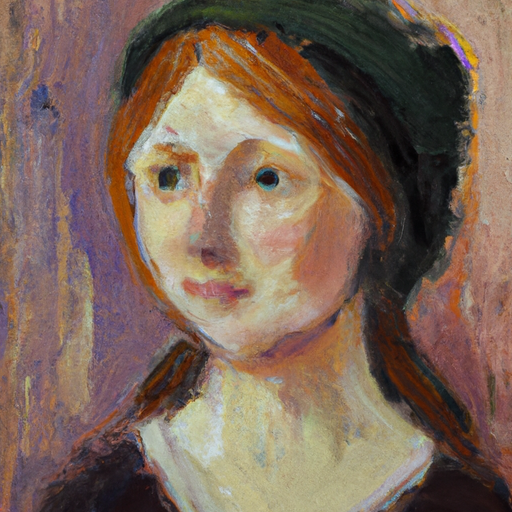
Example of visual style of Cassatt

Cassatt

Cassatt is a visual style developed by Mary Cassatt, an American Impressionist painter, during the late 19th and early 20th centuries. Known for her intimate and domestic scenes, Cassatt's style captured the lives of women and children. She experimented with light, color, and composition techniques, incorporating loose brushwork and a soft palette. Her famous works include 'The Child's Bath' (1893) and 'The Boating Party' (1893-1894). Cassatt's ability to convey tender emotions and capture fleeting moments made her famous in the Impressionist movement.

View StyleExplore Style
Example of visual style of Claude Monet

Claude Monet

Claude Monet was a prominent figure in Impressionism, a revolutionary artistic movement that emerged in the late 19th century. His style is characterized by loose brushwork, vibrant colors, and an emphasis on capturing the fleeting effects of light and atmosphere. Monet's famous works, such as 'Impression, Sunrise' (1872), showcased his unique ability to depict the ever-changing nature of landscapes and seascapes. His innovative approach to painting made him a pioneer of modern art.

View StyleExplore Style
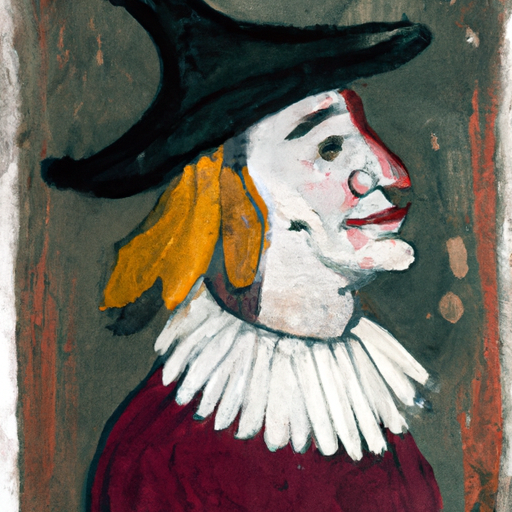
Example of visual style of Frans Hals

Frans Hals

Frans Hals was a Dutch Golden Age painter known for his loose brushwork and lively portrayal of his subjects. Active in the 17th century, Hals was famous for his portrait paintings, capturing the essence and personality of his sitters. His style was characterized by fast and expressive brushstrokes, capturing fleeting moments and the spontaneity of human expression. Hals' use of light and shadow, combined with his skillful handling of color, created a sense of depth and realism in his paintings. His unique approach to portraiture made him one of the most influential artists of his time.

View StyleExplore Style
Example of visual style of Houses Of Parliament

Houses Of Parliament

Houses Of Parliament is a historical visual style that emerged in the 19th century. It became famous through the iconic paintings of the same name by Claude Monet. These paintings, created between 1899 and 1904, depict the Houses of Parliament in London with their grand Gothic architecture. Monet's use of loose brushwork and vibrant colors helps to capture the atmosphere and changing light conditions of the scenes. The series is renowned for its unique impressionistic style, presenting a new way of capturing urban landscapes.

View StyleExplore Style
Example of visual style of Nathan Fowkes

Nathan Fowkes

Nathan Fowkes is a contemporary artist known for his vibrant and expressive plein air paintings. His style captures the beauty of nature with loose brushwork and a strong sense of color. His work gained popularity in the early 2000s as he showcased his exceptional skills in digital painting and concept art for animated films, including DreamWorks Animation's 'The Prince of Egypt' and 'How to Train Your Dragon'. Fowkes' ability to evoke emotion through his energetic brushstrokes and atmospheric lighting has made his work famous among art enthusiasts and animation lovers alike.

View StyleExplore Style
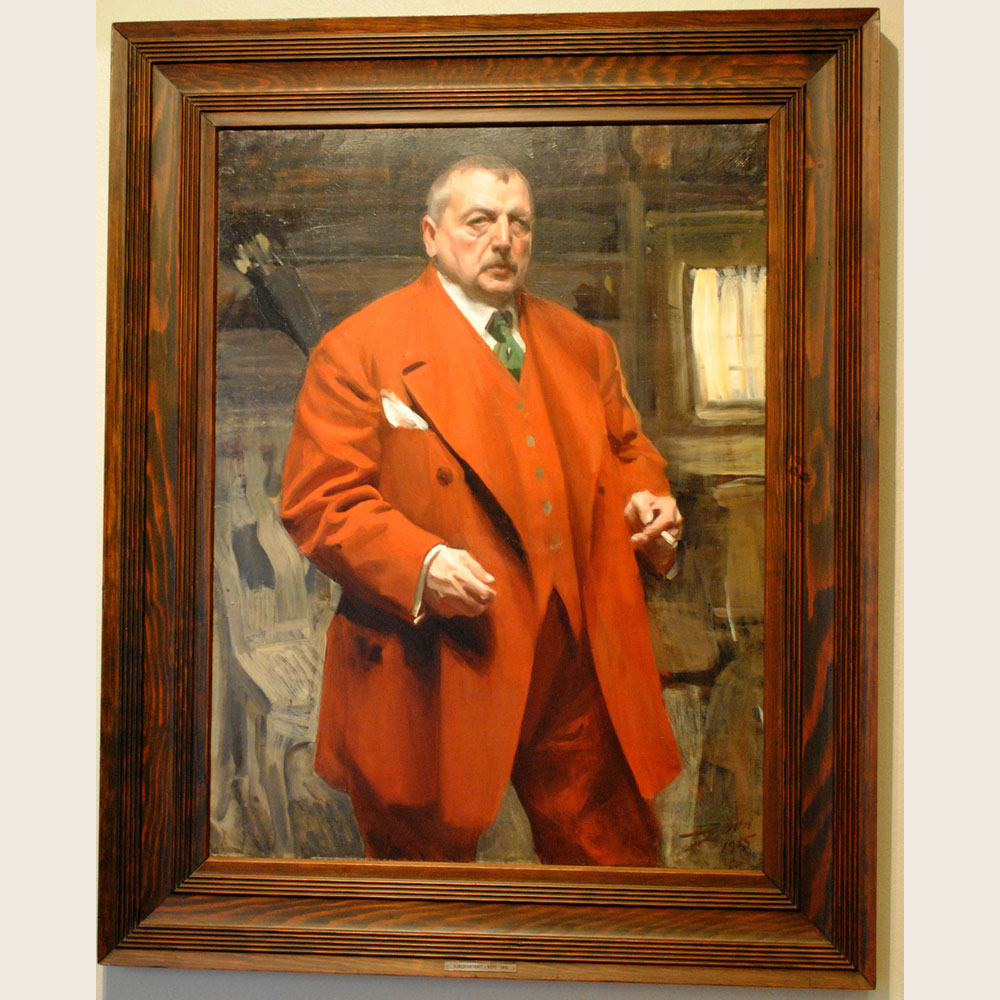
Example of visual style of Robert Henri

Robert Henri

Robert Henri was an influential American artist and teacher who lived from 1865 to 1929. He was a leading figure in the Ashcan School, a movement that emerged in the early 20th century and focused on depicting gritty urban scenes and everyday life. Henri's visual style was characterized by loose brushwork, bold colors, and a strong sense of realism. He was known for capturing the energy and diversity of New York City, particularly its immigrant communities. His famous book 'The Art Spirit' inspired generations of artists and emphasized the importance of personal expression and the artist's subjective vision.

View StyleExplore Style
Home