StylopediaStylopedia

Lively styles on Stylopedia

A visual encyclopedia of lively styles – use as prompt inspiration for Midjourney, Gemini, or ChatGPT AI when making lively images

Example of visual style of Adrian Alphona

Adrian Alphona

Adrian Alphona is a Canadian comic book artist known for his distinctive and whimsical visual style. His work gained prominence in the early 2000s, particularly with the launch of the comic series Runaways in 2003. Alphona's art is characterized by its lively and expressive character designs, intricate detailing, and a blend of both realistic and cartoonish elements. His use of dynamic poses, exaggerated expressions, and playful storytelling techniques has made his style a favorite among readers and has contributed to the success and popularity of the comics he has worked on.

View StyleExplore Style
Example of visual style of Aladdin

Aladdin

The visual style of 'Aladdin' is a vibrant blend of traditional Arabian and Indian art. Released in 1992 by Disney, this animated film brought to life a whimsical world filled with rich colors, intricate patterns, and a lively sense of adventure. The film's stunning artwork drew inspiration from various sources, including Islamic architecture, Indian miniatures, and Persian carpets. 'Aladdin' became famous for its dynamic animation, catchy music, and memorable characters like Aladdin, Jasmine, and the lovable Genie.

View StyleExplore Style
Example of visual style of Albert Uderzo

Albert Uderzo

Albert Uderzo is a French comic artist known for his distinctive visual style characterized by bold lines, vibrant colors, and exaggerated character designs. He is most famous for co-creating the popular comic book series 'Asterix' along with writer René Goscinny. Uderzo's style became widely recognized in the 1960s and 1970s when 'Asterix' gained international popularity. His use of lively and dynamic drawings, hilarious visual gags, and intricate backgrounds have made his artworks iconic in the comic industry.

View StyleExplore Style
Example of visual style of Asterix Series

Asterix Series

The Asterix series is a visually distinct comic book style popularized by French authors Albert Uderzo and René Goscinny. The style originated in the year 1959 with the release of the first Asterix comic, Asterix the Gaul. The series gained fame for its vibrant and detailed illustrations, dynamic action sequences, and humorous storytelling. The unique visual style of Asterix incorporates exaggerated characters with large noses and expressive facial features. The comics also feature intricate backgrounds and detailed depictions of historical settings, which blend humor and satire. Overall, the Asterix series is known for its lively and colorful visuals, making it a timeless classic in the world of comics.

View StyleExplore Style
Example of visual style of Boule Et Bill

Boule Et Bill

Boule Et Bill is a visual style that originated in the mid-20th century, particularly in the late 1950s and early 1960s. It became famous for its vibrant and playful illustrations, which depict the adventures of a young boy named Boule and his loyal dog Bill. The style gained popularity due to its lively and humorous storytelling, relatable characters, and its ability to cater to both children and adults. Boule Et Bill is known for its use of bold and colorful drawings, with exaggerated expressions and whimsical details bringing the characters and their world to life.

View StyleExplore Style
Example of visual style of Disney Animation

Disney Animation

Disney Animation refers to the distinct visual style of animation developed by Walt Disney and his team. It became famous in the early 20th century, particularly with the release of the first full-length animated feature film, Snow White and the Seven Dwarfs, in 1937. This style is characterized by its vibrant and colorful visuals, fluid and exaggerated movements, attention to detail, and enchanting storytelling. Disney Animation pioneered the use of cel animation and brought characters to life with expressive facial features and lively personalities. Its success and popularity laid the foundation for the modern animation industry.

View StyleExplore Style
Example of visual style of Jan Steen

Jan Steen

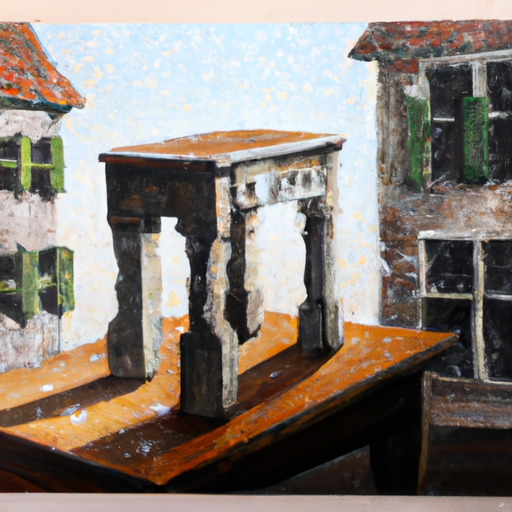
Jan Steen was a Dutch painter in the 17th century known for his lively and humorous scenes of daily life. His visual style is characterized by a combination of genre painting, vivid colors, and intricate details. Steen's work often depicted chaotic and festive gatherings, filled with boisterous characters engaged in humorous situations. His paintings were famous for their narrative storytelling and moral messages, portraying the vices and follies of human behavior. Jan Steen's style became popular during the Dutch Golden Age, particularly in the years 1660-1670, and his attention to detail and ability to capture human emotions made him a renowned artist of the time.

View StyleExplore Style
Example of visual style of Muppets

Muppets

The Muppets visual style is characterized by a unique combination of puppetry, animation, and comedy. Created by Jim Henson, this style gained popularity in the late 1960s and has continued to captivate audiences to this day. The Muppets are known for their colorful and diverse cast of characters, including Kermit the Frog, Miss Piggy, and Fozzie Bear. With its witty humor, lively performances, and clever storytelling, the Muppets style has become an icon of entertainment.

View StyleExplore Style
Example of visual style of Randolph Caldecott

Randolph Caldecott

The Randolph Caldecott visual style emerged in the late 19th century and became famous for its lively and imaginative illustrations. Randolph Caldecott was a prominent British illustrator known for his humorous and detailed drawings. His style was characterized by bold lines, vibrant colors, and a sense of movement. Caldecott's illustrations often depicted scenes from children's stories and nursery rhymes, capturing the joy and excitement of childhood. His work gained widespread popularity and influenced later generations of illustrators.

View StyleExplore Style
Example of visual style of Raoul Dufy

Raoul Dufy

Raoul Dufy was a French painter known for his vibrant and colorful style. His work was prominent during the early 20th century, particularly in the 1920s and 1930s. Dufy's style was characterized by his use of bold brushstrokes and intense colors that captured the essence of joy and movement. He often depicted scenes of leisure and celebration, such as regattas, concerts, and horse races. Dufy's artistic style became famous for its lively and energetic portrayal of everyday life.

View StyleExplore Style
Example of visual style of Rene Goscinny

Rene Goscinny

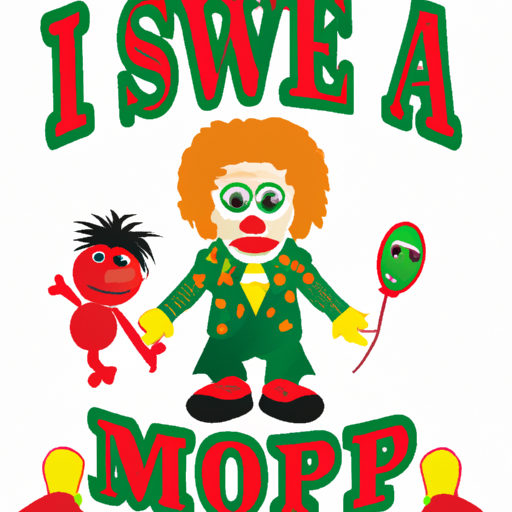
Rene Goscinny is a French comic book creator and writer who became famous for his collaboration with illustrator Albert Uderzo on the famous Asterix series. Goscinny's visual style is characterized by detailed and lively illustrations, vibrant colors, and exaggerated expressions. His style gained popularity in the 1960s and 1970s, and he is renowned for his humor, wit, and ability to create captivating storylines. Goscinny's work revolutionized the comic book industry and set new standards for storytelling in the medium.

View StyleExplore Style
Example of visual style of Wedding Crashers

Wedding Crashers

Wedding Crashers is a visually vibrant and contemporary style that emerged in the mid-2000s. Known for its vibrant color palette, energetic compositions, and playful elements, this style became famous for its eye-catching visual appeal. It captures the essence of modern weddings by incorporating elements of both traditional and contemporary design. The use of bold and lively colors, along with a mix of typography styles, creates a refreshing and lively atmosphere. Wedding Crashers became highly influential in inspiring and defining contemporary wedding aesthetics.

View StyleExplore Style
Home