StylopediaStylopedia

Literature styles on Stylopedia

A visual encyclopedia of literature styles – use as prompt inspiration for Midjourney, Gemini, or ChatGPT AI when making literature images

Example of visual style of American Modernism

American Modernism

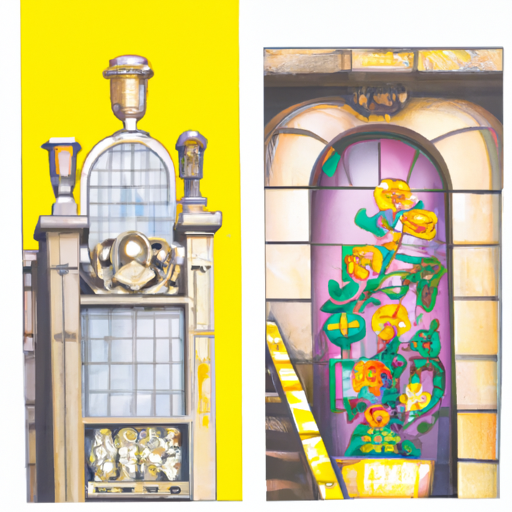
American Modernism refers to a diverse artistic and cultural movement that emerged in the United States from the late 19th century to the mid-20th century. It gained prominence in the 1910s and continued to flourish throughout the 1930s. This style is characterized by a departure from traditional forms and a embrace of experimentation and innovation. American Modernism encompassed various art forms, including painting, sculpture, photography, architecture, literature, and design. Notable artists, such as Georgia O'Keeffe, Edward Hopper, and Charles Sheeler, were associated with this style.

View StyleExplore Style
Example of visual style of Charles Eisen

Charles Eisen

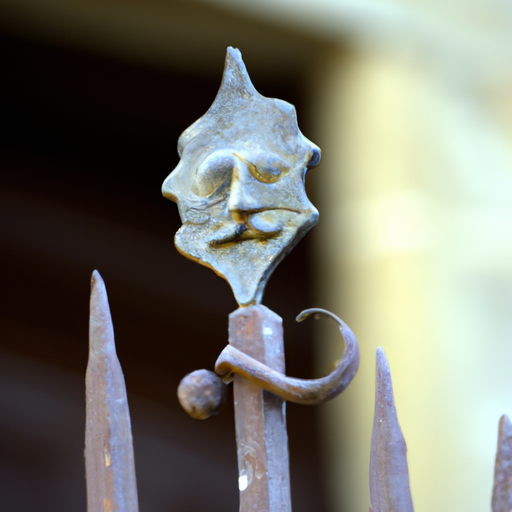
Charles Eisen was a French painter and engraver, known for his delicate and graceful Rococo style. Born in 1720, Eisen became famous during the mid-18th century. His intricate details, elegant compositions, and use of soft colors made him a prominent figure in the Rococo movement. Eisen was particularly known for his illustrations of literature, including the famous works of Voltaire. His style captured the spirit of the Rococo era, characterized by ornate and whimsical designs, and became highly influential during this time.

View StyleExplore Style
Example of visual style of Eisen

Eisen

Eisen is a visual style that emerged during the 18th century in France. It is named after the French painter and engraver Charles Eisen. The style became famous for its delicate and ornate illustrations and engravings. Eisen's works often depicted scenes from literature, fashion, and everyday life. The style reached its peak popularity during the Rococo period, around the years 1730 to 1760. Eisen's intricate designs and attention to detail made him a prominent figure in the art world of that time.

View StyleExplore Style
Example of visual style of Friedrich Kittler

Friedrich Kittler

Friedrich Kittler was a media theory pioneer who analyzed the impact of technology on culture. Active during the late 20th century, his work focused on the intersection of media, communication, and literature. He is famous for his concept of 'media determinism,' which posits that technology shapes and determines our perception of reality. Kittler's visual style is characterized by a critical and analytical approach, often relying on data and empirical evidence. His work popularized the study of media archaeology, and his insights continue to influence contemporary media theory and art.

View StyleExplore Style
Example of visual style of Heian Culture

Heian Culture

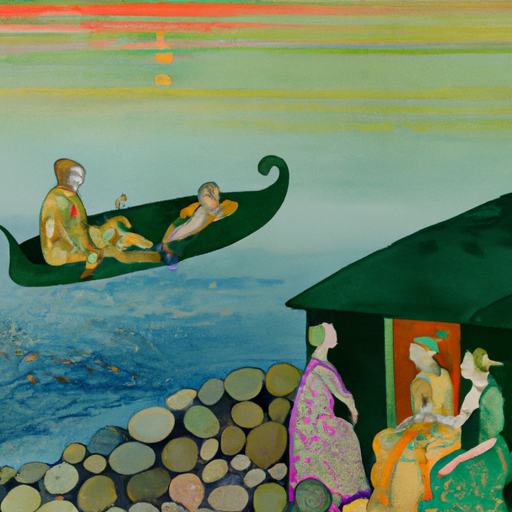
Heian Culture refers to the visual style that emerged during the Heian period in ancient Japan, which lasted from 794 to 1185. This period was marked by a flourishing artistic and cultural scene. The Heian Culture is famous for its exquisite and lavish displays of art, literature, and fashion. It was during this time that the Tale of Genji, considered the first novel in the world, was written by Lady Murasaki Shikibu. The elegant and refined aesthetic of the Heian Culture continues to inspire and captivate people to this day.

View StyleExplore Style
Example of visual style of Joseon Dynasty

Joseon Dynasty

The Joseon Dynasty was a Korean dynastic kingdom that lasted for over 500 years from 1392 to 1897. The visual style of the Joseon Dynasty is characterized by its traditional and elegant aesthetics, which reflected the Confucian principles of the time. It is famous for its emphasis on simplicity, balance, and harmony in both its architecture and visual arts. The dynasty's golden age of cultural achievements occurred during the 15th and 16th centuries, with notable advancements in literature, ceramics, and painting.

View StyleExplore Style
Example of visual style of Victorian Illustrations

Victorian Illustrations

Victorian Illustrations refers to the visual style of illustrations produced during the Victorian era (1837-1901) in Britain. This style became famous for its intricate and detailed drawings, often depicting scenes from literature, children's books, and magazines. Victorian Illustrations were characterized by their fine lines, cross-hatching, and attention to realistic details. The use of elaborate borders and decorative elements was also common, adding to the ornate and intricate nature of the style.

View StyleExplore Style
Home