
Emily Hughes
Emily Hughes is known for her whimsical and charming illustrations that often feature animals and nature. Her style became famous in the early 2000s for its detailed line work and intricate patterns.
View StyleExplore Style Stylopedia
A visual encyclopedia of line work styles – use as prompt inspiration for Midjourney, Gemini, or ChatGPT AI when making line work images
Emily Hughes is known for her whimsical and charming illustrations that often feature animals and nature. Her style became famous in the early 2000s for its detailed line work and intricate patterns.
View StyleExplore Style
George Cruikshank was a British caricaturist and book illustrator known for his detailed and satirical work in the early 19th century. His style featured intricate line work, exaggerated expressions, and social commentary, which made him famous for his political and moral satires.
View StyleExplore Style
Golden Age Illustration refers to the period of great artistic advancement in illustration during the late 19th and early 20th centuries. Characterized by detailed line work, intricate patterns, and rich colors, this style was famous for its romantic and fantastical depictions.
View StyleExplore Style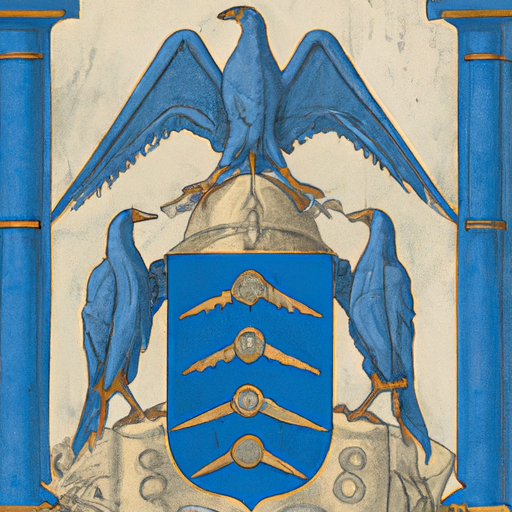
Golden Age of Illustration refers to the period of late 19th century and early 20th century when illustrated books and magazines reached their peak popularity. This era, spanning from the 1880s to around 1920, was characterized by intricate and highly detailed illustrations that were often used to accompany stories, novels, and advertisements. The use of vibrant colors, intricate line work, and a focus on narrative storytelling made this style famous. Some renowned artists of this period include Arthur Rackham, Aubrey Beardsley, and Edmund Dulac.
View StyleExplore Style
James Gillray was an English caricaturist and printmaker who rose to fame in the late 18th century. His visual style was characterized by exaggerated and satirical depictions of political figures and social commentary. He gained recognition for his sharp wit and ability to capture the likeness and mannerisms of his subjects. Gillray's works often featured bold and intricate details, with a strong use of line work and crosshatching. He became famous for his caricatures mocking Napoleon Bonaparte, George III, and British political figures, which contributed to shaping public opinion during a time of great political and social upheaval.
View StyleExplore Style
Kate Greenaway was a popular British illustrator and writer in the late 19th century. Her style, known as the 'Kate Greenaway style', became famous for its delicate and nostalgic depiction of children in pastoral settings. Active primarily between 1870 and 1900, Greenaway's illustrations were characterized by their detailed line work, soft colors, and emphasis on children's fashion from the late 18th and early 19th centuries. Her illustrations often featured young girls in bonnets, pinafores, and sometimes boys in sailor suits, and became highly influential in the world of children's literature and fashion at the time.
View StyleExplore Style
Marian Churchland's visual style is characterized by intricate line work, detailed textures, and a dreamlike quality. Her work gained popularity in the early 2000s for its unique blend of fantasy and surrealism.
View StyleExplore Style
Papunya Tula Artists is a renowned Indigenous Australian art movement that emerged in the early 1970s. Known for its intricate dot and line work, the style is celebrated for its unique blend of traditional Aboriginal symbolism with contemporary Western art practices.
View StyleExplore Style