StylopediaStylopedia

Lighting styles on Stylopedia

A visual encyclopedia of lighting styles – use as prompt inspiration for Midjourney, Gemini, or ChatGPT AI when making lighting images

Example of visual style of Baroque

Baroque

Baroque is a highly ornamental and dramatic style that emerged in Europe around the late 16th century and remained prominent until the early 18th century. It is known for its grandeur, opulence, and theatricality. Baroque style captivated audiences with its elaborate details, exaggerated gestures, and vibrant colors. It was characterized by the use of dynamic and sweeping curves, intricate ornamentation, and abundant decorative elements. This style became famous for its luxuriousness and the way it evoked strong emotions through its ornate compositions and intense lighting effects.

View StyleExplore Style
Example of visual style of Cinematic Photography

Cinematic Photography

Cinematic Photography is a visual style that aims to replicate the look and feel of movies. It gained popularity in the late 20th century and continues to be widely recognized today. This style became famous due to its ability to capture and convey dramatic narratives, evoke emotions, and create visually stunning compositions. It often includes strong contrasts, deep shadows, and rich colors, which are achieved through careful lighting and composition techniques.

View StyleExplore Style
Example of visual style of Cinematographers

Cinematographers

Cinematographers is a visual style that focuses on the art and technique of capturing and composing images with a camera. It emerged in the late 19th century and gained prominence in the early 20th century with the advent of motion pictures. This style became famous for its ability to manipulate lighting, framing, and movement to create visually stunning and emotionally impactful scenes. Cinematographers use various techniques such as depth of field, camera angles, and tracking shots to enhance storytelling and evoke specific moods. Some renowned cinematographers include Gregg Toland, Vittorio Storaro, and Emmanuel Lubezki.

View StyleExplore Style
Example of visual style of Cinematography

Cinematography

Cinematography is the art and science of capturing moving images on film or digital format. It involves the selection of camera angles, camera movements, lighting, and composition to create visually stunning and meaningful images. Cinematography gained prominence in the early 20th century with advancements in film technology. Famous cinematographers like Greg Toland, Conrad L. Hall, and Roger Deakins have pushed the boundaries of cinematography, using innovative techniques such as deep focus, lighting setups, and unconventional camera movements.

View StyleExplore Style

Example of visual style of George Romero

George Romero

George Romero, a prominent filmmaker in the horror genre, was known for his distinctive visual style, especially in his later films. His style emerged in the late 1960s and continued throughout the 1970s and 1980s, making him one of the most influential directors in the genre. Romero's visual style was characterized by his innovative use of lighting, shadows, and framing techniques to create a sense of dread and horror. He often employed low-budget techniques, such as handheld cameras and practical effects, to create a visceral and gritty aesthetic. Romero's films were famous for their social commentaries on consumerism, racism, and other contemporary issues.

View StyleExplore Style
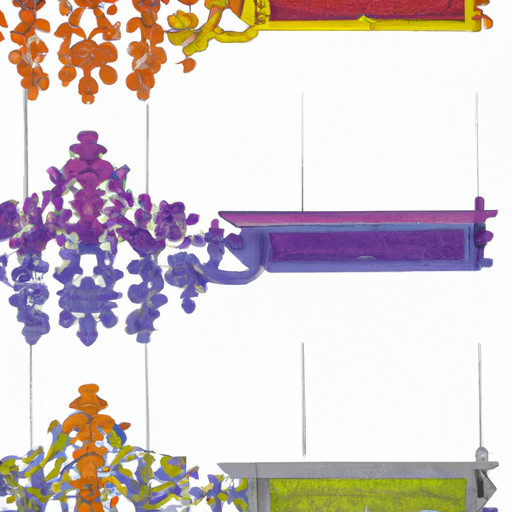
Example of visual style of Heath Nash

Heath Nash

Heath Nash is a South African artist and designer known for his unique recycled plastic art and lighting. His visual style can be described as vibrant, eclectic, and environmentally conscious. Nash became famous in the early 2000s for his innovative use of discarded plastic bottles and other recycled materials to create stunning installations, sculptures, and lighting designs. His work often features intricate patterns and textures created by manipulating and transforming plastic waste. Nash's commitment to sustainability and his ability to elevate everyday materials into works of art have made him a prominent figure in the contemporary art and design scene.

View StyleExplore Style
Example of visual style of Margaret Bourke White

Margaret Bourke White

Margaret Bourke White was an American documentary photographer who became known for her iconic, often high-contrast black and white photographs. She was renowned for her ability to capture the monumental scale of industrial landscapes, such as factories and construction sites, as well as for her fearless photojournalism during significant historical events, including World War II. Her work spanned from the 1920s through the 1960s, and she was one of the first female photographers to be hired by major publications, such as Life magazine. Bourke White's unique visual style combined striking composition, dramatic lighting, and a meticulous attention to detail, resulting in powerful images that conveyed both the grandeur and the human impact of modern industrialization.

View StyleExplore Style
Example of visual style of Ronen Bekerman

Ronen Bekerman

Ronen Bekerman is a 3D architectural visualization artist and educator who has been influential in the field since the early 2000s. He is known for his expertise in creating photorealistic architectural visualizations with a focus on lighting and composition. Bekerman gained recognition through his blog, Ronen Bekerman's 3D Architectural Visualization Blog, which he started in 2003. His work and teachings have had a significant impact on the architectural visualization community, and he has inspired many artists to push the boundaries of realism in their own work.

View StyleExplore Style
Home