StylopediaStylopedia

Light and shadow styles on Stylopedia

A visual encyclopedia of light and shadow styles – use as prompt inspiration for Midjourney, Gemini, or ChatGPT AI when making light and shadow images

Example of visual style of Ansel Adams

Ansel Adams

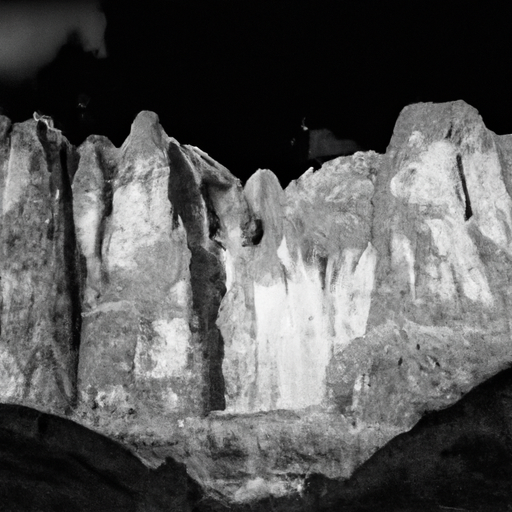
Ansel Adams was a renowned American photographer who rose to prominence in the mid-20th century. His black and white landscape photographs, particularly of the American West, became iconic representations of the natural beauty of the United States. Adams is widely celebrated for his precise and meticulous approach to photography, which involved masterful composition, careful use of light and shadow, and extensive darkroom techniques. His works captured the grandeur and sublime qualities of nature, showcasing its vastness, detail, and inherent aesthetics. Ansel Adams' style became famous for its ability to evoke emotional responses from viewers, often leaving them in awe of the majestic landscapes he captured.

View StyleExplore Style
Example of visual style of Bertrand Benoit

Bertrand Benoit

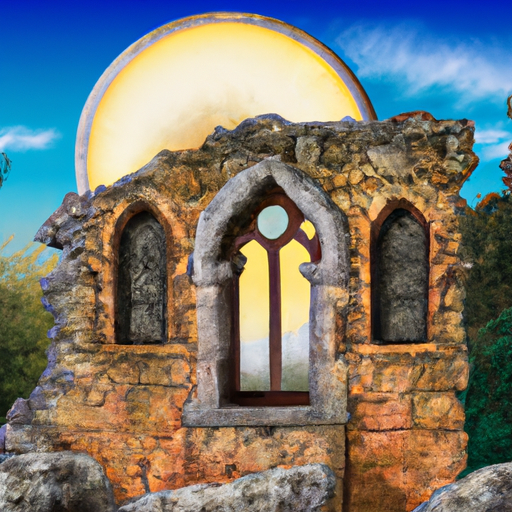
Bertrand Benoit is an architectural and interior photographer known for his meticulous attention to detail and precise compositions. His style emerged in the early 2000s and quickly gained recognition for its combination of technical expertise and artistic vision. Benoit's photographs showcase the beauty and grandeur of architectural spaces, capturing the essence of both historical and contemporary structures. He is famous for his ability to highlight the interplay of light and shadow, emphasizing texture and form. Benoit's work has been featured in numerous publications, exhibitions, and architectural awards, cementing his reputation as one of the foremost architectural photographers of his time.

View StyleExplore Style
Example of visual style of Denis Peterson

Denis Peterson

Denis Peterson is a photorealist painter known for his detailed and hyper-realistic urban landscapes. His style emerged in the 1970s and gained popularity during the rise of the photorealist movement. Peterson's work became famous for capturing the gritty reality of city life, depicting the contrast between light and shadow, and showcasing the architectural details of buildings. His meticulous attention to detail and vibrant use of color made his paintings come alive and drew attention to the beauty in the everyday urban environment.

View StyleExplore Style
Example of visual style of Diego Velazquez

Diego Velazquez

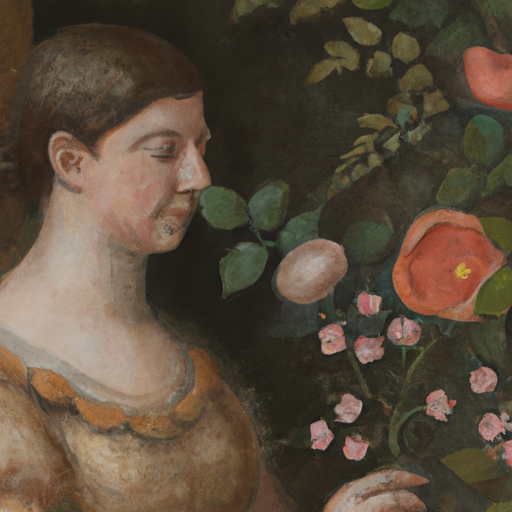
Diego Velazquez was a Spanish painter who was active during the Baroque period in the 17th century. He is known for his realistic and detailed paintings that captured the essence of his subjects. Velazquez is particularly famous for his portraits, including the iconic 'Las Meninas' painted in 1656. His style was characterized by his masterful use of light and shadow, the ability to create depth and perspective, and his attention to detail in rendering textures and fabrics. Velazquez's works were highly praised for their naturalism and influenced generations of artists after him.

View StyleExplore Style
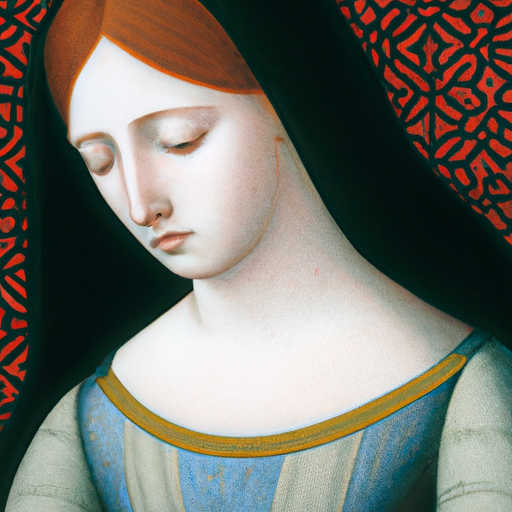
Example of visual style of Fra Angelico

Fra Angelico

Fra Angelico, also known as Beato Angelico, was an Italian painter of the early Renaissance. He is known for his delicate and harmonious paintings, characterized by bright colors and ethereal figures. His works from the 14th and 15th centuries are renowned for their spiritual and religious themes, depicting scenes from the Bible and the lives of saints. Fra Angelico's use of light and shadow, meticulous attention to detail, and his ability to convey a sense of transcendence made him one of the most famous artists of his time.

View StyleExplore Style
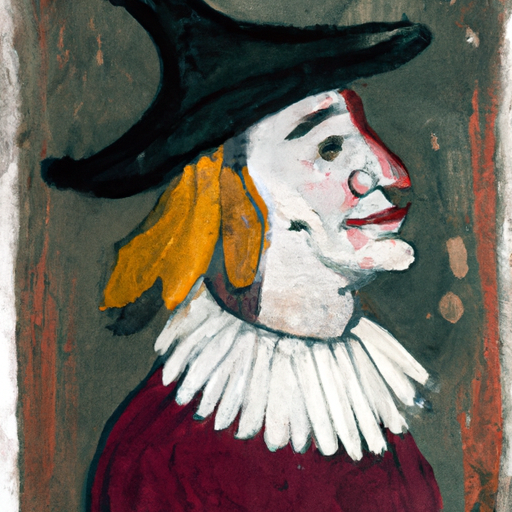
Example of visual style of Frans Hals

Frans Hals

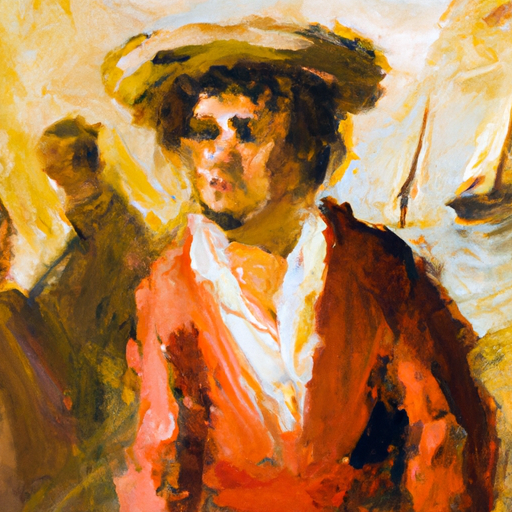
Frans Hals was a Dutch Golden Age painter known for his loose brushwork and lively portrayal of his subjects. Active in the 17th century, Hals was famous for his portrait paintings, capturing the essence and personality of his sitters. His style was characterized by fast and expressive brushstrokes, capturing fleeting moments and the spontaneity of human expression. Hals' use of light and shadow, combined with his skillful handling of color, created a sense of depth and realism in his paintings. His unique approach to portraiture made him one of the most influential artists of his time.

View StyleExplore Style
Example of visual style of French Painters

French Painters

French Painters is a visual style that emerged in the 19th century and gained prominence in the early 20th century. This style is characterized by its emphasis on naturalistic representation, vibrant colors, and a focus on capturing the play of light and shadow. French Painters are known for their innovative techniques and exploration of various subject matters, including landscapes, portraits, still life, and historical scenes. This style became famous through the works of renowned artists such as Claude Monet, Pierre-Auguste Renoir, and Paul Cézanne.

View StyleExplore Style
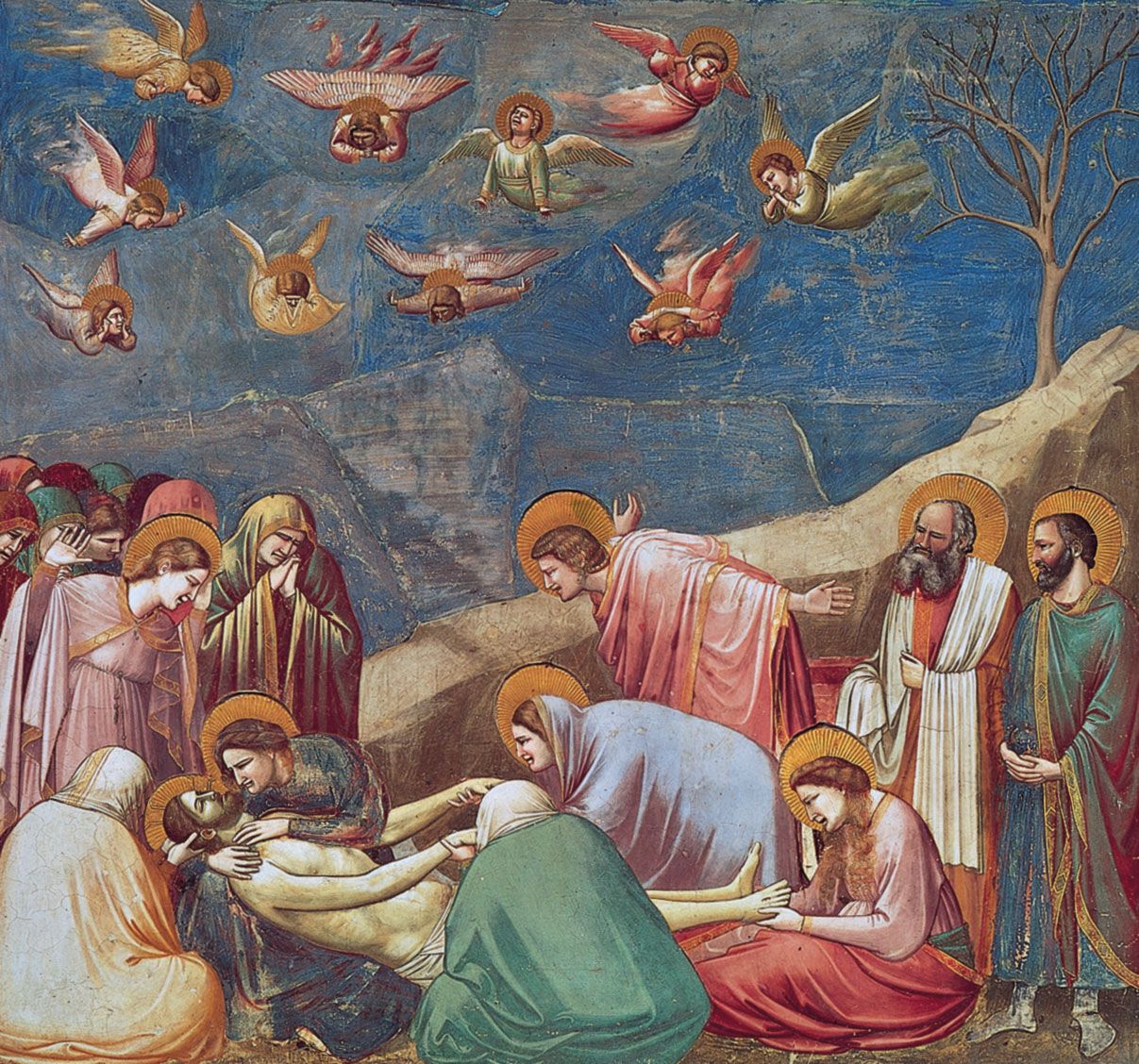
Example of visual style of Giotto

Giotto

Giotto is an Italian visual style that emerged in the 14th century. It is famous for its naturalistic and emotionally expressive representations of human figures, which broke away from the flat and stylized conventions of the Byzantine art that preceded it. Giotto's innovative use of light, shadow, and perspective brought a sense of three-dimensionality and depth to his paintings. This marked a significant shift in art history and laid the foundation for the Renaissance period.

View StyleExplore Style
Example of visual style of Giovanni Bellini

Giovanni Bellini

Giovanni Bellini was an Italian Renaissance painter known for his luminous and atmospheric style. Active during the late 15th and early 16th centuries, Bellini's works are characterized by his exquisite attention to detail, vibrant colors, and skillful use of light and shadow. He is renowned for his religious paintings, particularly his Madonnas, which often feature rich landscapes as backdrops. Bellini's ability to create a sense of depth and spirituality through his use of color and composition has made him one of the most influential painters of his time.

View StyleExplore Style
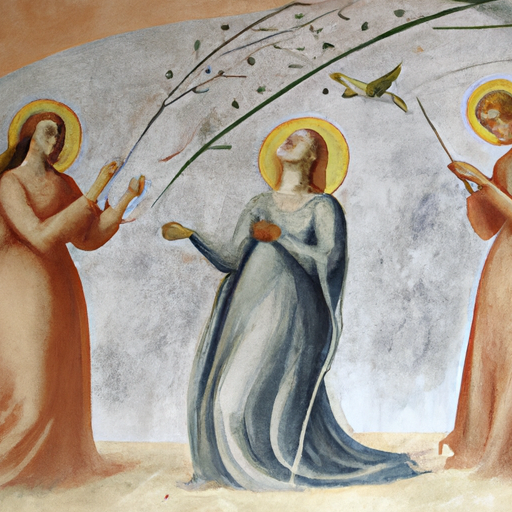
Example of visual style of Gustave Dore

Gustave Dore

Gustave Dore was a 19th-century French artist known for his intricate and detailed illustrations. His visual style, which emerged in the mid-1800s, is characterized by its dark and dramatic tone, intricacy, and attention to detail. Dore's work became famous for its ability to capture the essence of various literary works, such as Dante's 'The Divine Comedy' and Milton's 'Paradise Lost', through his intricate and imaginative illustrations. His illustrations often featured elaborate compositions, stark contrasts between light and shadow, and finely crafted details that brought the scenes to life. Dore's visual style continues to inspire and influence artists and illustrators to this day.

View StyleExplore Style
Example of visual style of Hiroshi Sugimoto

Hiroshi Sugimoto

Hiroshi Sugimoto is a contemporary Japanese photographer known for his minimalist and conceptual approach to black and white photography. He gained fame in the 1970s with his series 'Seascapes' and 'Theaters', which explore the concepts of time, memory, and perception. Sugimoto's meticulous compositions and long exposure times create ethereal and timeless images. His work is characterized by its precise framing, high contrast, and exquisite use of light and shadow.

View StyleExplore Style
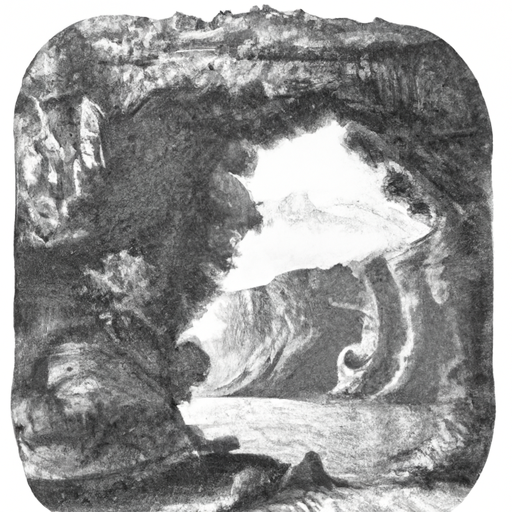
Example of visual style of Howard Pyle

Howard Pyle

Howard Pyle was an American illustrator and author who was influential in the late 19th and early 20th centuries. His visual style is characterized by rich, detailed illustrations, often depicting historical scenes and characters. Pyle's illustrations were famous for their dramatic compositions, strong use of light and shadow, and meticulous attention to costume and historical accuracy. He is best known for his illustrations in books such as 'The Merry Adventures of Robin Hood' and 'King Arthur and His Knights'. Pyle's style helped popularize the concept of the American illustrator as a fine artist.

View StyleExplore Style
Example of visual style of Joe Shuster

Joe Shuster

Joe Shuster was a Canadian-American comic book artist who co-created the famous superhero Superman. His visual style, popularized during the 1930s and 1940s, was characterized by bold and dynamic illustrations, featuring exaggerated muscular figures, dramatic poses, and strong contrasts of light and shadow. Shuster's iconic art style set the foundation for future comic book artists, establishing the visual language for superheroes that has remained influential to this day.

View StyleExplore Style
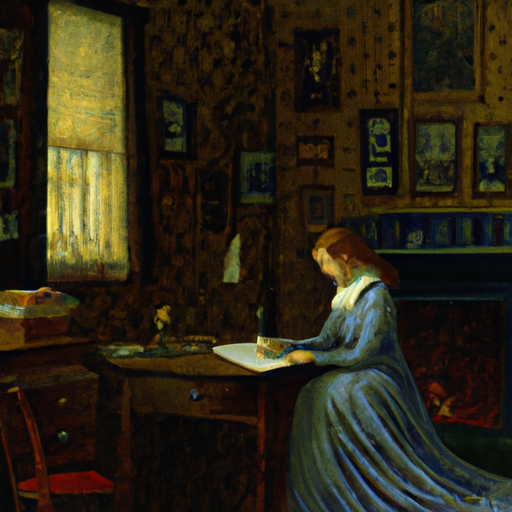
Example of visual style of John Frederick Lewis

John Frederick Lewis

John Frederick Lewis was an English Orientalist painter who lived and worked in the 19th century. He is famous for his detailed and accurate depictions of Middle Eastern and North African scenes, particularly his vivid portrayals of everyday life in Cairo and Egypt. Lewis's style is characterized by his meticulous attention to detail, vibrant colors, and skillful use of light and shadow. His paintings often capture the exotic charm and cultural richness of the Orientalist world.

View StyleExplore Style

Example of visual style of Louise Nevelson

Louise Nevelson

Louise Nevelson is known for her unique assemblage artworks that incorporated found objects and displayed a monochromatic, abstract aesthetic. Her style emerged in the mid-20th century, gaining significant recognition in the 1950s and 1960s. Nevelson's fame stems from her pioneering approach to sculpture, utilizing discarded materials and constructing large-scale installations. Her works often evoke a sense of mystery and grandeur, with intricately layered compositions and a focus on the interplay of light and shadow.

View StyleExplore Style
Example of visual style of Masaccio

Masaccio

Masaccio was an Italian Renaissance painter known for his realistic depiction of figures, his use of perspective, and his focus on naturalism and emotional expression. Active in the early 15th century, Masaccio's works revolutionized the art world with his innovative use of perspective and his emphasis on human anatomy, light, and shadow. His famous frescoes in the Brancacci Chapel, such as 'The Expulsion from the Garden of Eden' and 'The Tribute Money', showcased his mastery in creating three-dimensional space and his ability to convey dramatic narratives.

View StyleExplore Style

Example of visual style of Netherlandish Painting

Netherlandish Painting

Netherlandish Painting, also known as Dutch painting, refers to the painting style that emerged in the Netherlands during the 15th and 16th centuries. This style became famous for its attention to detail, realistic portrayal of subjects, and its use of light and shadow. Netherlandish painters were renowned for their meticulous technique and the intricate rendering of textures and landscapes. The works from this period often featured religious themes, as well as genre scenes, still lifes, and portraiture.

View StyleExplore Style
Example of visual style of Northern Renaissance

Northern Renaissance

The Northern Renaissance was an art movement that flourished in Europe during the 15th and 16th centuries. It was characterized by a revival of interest in realism, meticulous attention to detail, and a focus on capturing the intricacies of light and shadow. This period witnessed the emergence of renowned artists like Jan van Eyck, Albrecht Dürer, and Hieronymus Bosch. The Northern Renaissance is famous for its richly detailed and highly symbolic religious artwork, as well as its exploration of secular themes in portraiture and landscapes.

View StyleExplore Style
Example of visual style of Rembrandt

Rembrandt

Rembrandt is a visual style that emerged during the 17th century in the Netherlands. It is named after the Dutch painter Rembrandt van Rijn, who is considered one of the greatest artists of all time. This style is characterized by its use of chiaroscuro, a strong contrast between light and dark, which creates a dramatic and mysterious atmosphere. Rembrandt's works were famous for their ability to capture the human spirit and emotions, often depicting biblical or historical scenes. He is particularly renowned for his skillful use of light and shadow to create depth and texture in his paintings. Rembrandt's style had a significant influence on many artists during his time and continues to inspire artists today.

View StyleExplore Style
Example of visual style of Robert Lang

Robert Lang

The Robert Lang visual style emerged in the late 20th century and gained popularity in the 21st century. This style is characterized by its clean, minimalistic, and geometric designs. It became famous for its use of bold colors, sharp lines, and simplistic shapes to convey meaning and emotion. Robert Lang's work often explores the interplay between light and shadow, creating dynamic and visually striking compositions. This style is known for its innovative use of technology, blending traditional art techniques with digital tools to create unique and compelling visuals.

View StyleExplore Style
Example of visual style of Tadao Ando

Tadao Ando

Tadao Ando is a minimalist architectural style developed by the Japanese architect Tadao Ando. It emerged in the late 20th century and became famous for its simplicity, use of natural materials, and incorporation of natural light. Ando's architecture often features clean lines, geometric shapes, and a focus on creating harmony between the built environment and nature. His use of concrete as a primary material and the way he manipulates light and shadow are distinctive elements of his style.

View StyleExplore Style
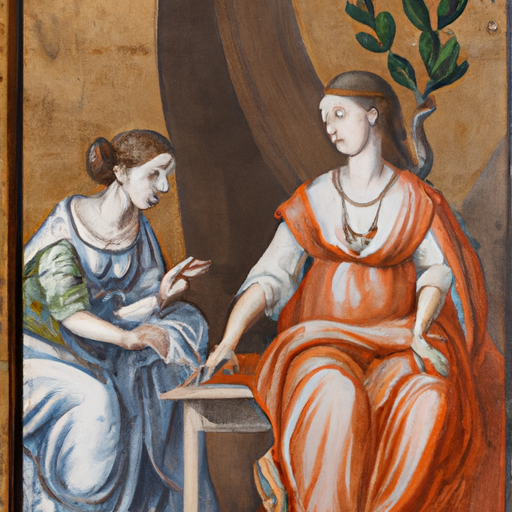
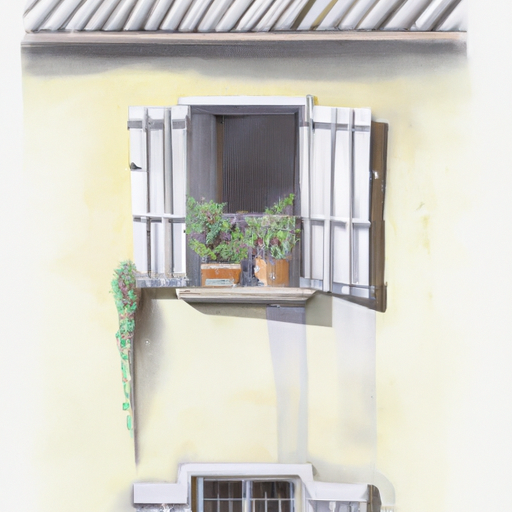
Example of visual style of Theophile Jules Pelletan

Theophile Jules Pelletan

Theophile Jules Pelletan was a prominent French painter and engraver during the late 19th century. His style, known for its realism and attention to detail, gained recognition in the art world during the 1870s and 1880s. Pelletan's works often showcased scenes from daily life, both rural and urban, with an emphasis on capturing the essence of the subject. His ability to convey the intricacies of light and shadow, along with his masterful technique, made him famous among his contemporaries and art enthusiasts alike.

View StyleExplore Style
Example of visual style of Thomas Eakins

Thomas Eakins

Thomas Eakins was an American realist painter known for his meticulous attention to detail and his ability to capture the human form in a realistic and intimate manner. He was active in the late 19th century and his paintings often depicted everyday life, particularly in the city of Philadelphia. Eakins became famous for his portraits, which were characterized by their psychological depth and the sense of realism he achieved through his use of light and shadow. His work challenged traditional conventions and his dedication to accuracy and authenticity made him one of the most influential American artists of his time.

View StyleExplore Style
Home