
StylopediaStylopedia

Lifelike styles on Stylopedia

A visual encyclopedia of lifelike styles – use as prompt inspiration for Midjourney, Gemini, or ChatGPT AI when making lifelike images

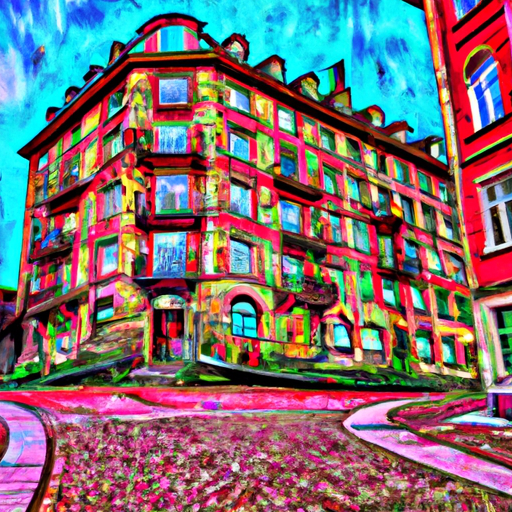
Example of visual style of Bambi

Bambi

Bambi is a visual style known for its delicate and naturalistic hand-drawn animation. It gained popularity in the 1940s and 1950s through the classic Disney animated film 'Bambi', directed by David Hand. This style is characterized by vibrant and detailed backgrounds, expressive and lifelike character designs, and a strong focus on nature and wildlife. The use of contrasting colors, soft lines, and realistic movements made this style famous for capturing the beauty and grace of the natural world in animation.

View StyleExplore Style
Example of visual style of Creature Performances

Creature Performances

Creature Performances is a visual style that emerged in the late 20th century and is characterized by the use of live actors or performers dressed as fantastical creatures or creatures from mythology. This style became famous in the 1980s and 1990s through movies such as 'Labyrinth' (1986) and 'The Dark Crystal' (1982), which utilized puppetry and animatronics to create lifelike creatures. The combination of imaginative creature designs and the use of skilled performers brought these fantastical beings to life on the screen, captivating audiences with their believability and enchanting performances.

View StyleExplore Style
Example of visual style of Crysis Series

Crysis Series

The Crysis Series is a visually stunning video game franchise known for its realistic graphics and immersive environments. Released by Crytek between 2007 and 2013, it became famous for pushing the boundaries of visual quality in gaming. The series' advanced game engine, CryEngine, enabled lifelike character models, dynamic lighting, and expansive open-world landscapes. With its futuristic settings and emphasis on high-tech weaponry, the Crysis Series captured the attention of gamers and showcased the potential of cutting-edge graphics technology.

View StyleExplore Style
Example of visual style of Glen Keane

Glen Keane

Glen Keane is a renowned Disney animator and artist known for his distinctive and expressive visual style. He worked for Disney from 1974 to 2012 and has contributed to many iconic animated films. Keane's style is characterized by fluidity, grace, and attention to detail. His drawings are known for their lifelike movement and emotional depth, capturing the essence of the characters and their stories. Keane's famous works include Ariel in 'The Little Mermaid' (1989), Beast in 'Beauty and the Beast' (1991), and Rapunzel in 'Tangled' (2010). His contributions to the animation industry have made him a legend in the field.

View StyleExplore Style
Example of visual style of Hyperrealism

Hyperrealism

Hyperrealism is a visual style that emerged in the late 1960s and early 1970s. It is characterized by the creation of artworks that are so detailed and lifelike that they appear to be photographs. Artists in this style meticulously recreate every detail, using various techniques such as high-resolution photography, precise brushwork, and detailed shading. Hyperrealism gained fame due to its ability to blur the line between reality and art, leaving viewers astounded by the uncanny resemblance to actual photographs.

View StyleExplore Style

Example of visual style of John Chambers

John Chambers

John Chambers is a visual style that emerged in the late 1960s and gained popularity in the 1970s. It is named after John Chambers, an iconic Hollywood makeup artist known for his groundbreaking work in film and television. This style transformed the way characters were visually portrayed on screen, using intricate prosthetics, masks, and special effects makeup to create lifelike and extraordinary appearances. Chambers revolutionized the industry through his innovative techniques and created iconic looks in movies like 'Planet of the Apes' (1968) and 'Star Trek: The Motion Picture' (1979), which made this style famous.

View StyleExplore Style
Example of visual style of John De Andrea

John De Andrea

John De Andrea is an American hyperrealist sculptor known for his lifelike statues. His style emerged in the late 1960s and became widely recognized in the 1970s. De Andrea's sculptures are meticulously detailed and anatomically precise, capturing the essence of human forms in a hyperrealistic manner. His works often depict nude figures or individuals engaged in everyday activities, offering a candid and uncanny view of the human condition. De Andrea's sculptures are made famous for their incredible lifelikeness and the skillful manipulation of materials to achieve a sense of realism.

View StyleExplore Style
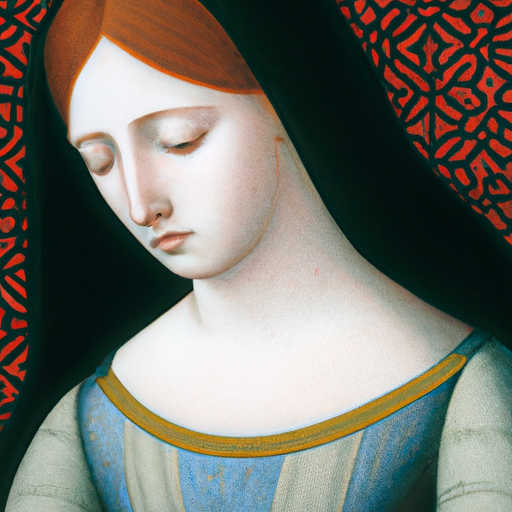
Example of visual style of Leonardo Da Vinci

Leonardo Da Vinci

Leonardo Da Vinci was an Italian polymath who lived during the Renaissance period (1452-1519). He is known for his versatility in art, science, and inventions. Da Vinci's visual style is characterized by a combination of meticulous detail and lifelike portrayal of subjects. His artwork is famous for its use of chiaroscuro, which refers to the contrast between light and shadow. Da Vinci's most famous works, such as 'The Last Supper' and 'Mona Lisa,' have achieved iconic status and continue to captivate audiences with their enigmatic expressions.

View StyleExplore Style
Example of visual style of Peter Guthrie

Peter Guthrie

Peter Guthrie is a renowned visual artist known for his hyper-realistic architectural renderings. His style, which emerged in the early 2000s, is characterized by its meticulous attention to detail and the lifelike quality of his work. Guthrie's renderings have a distinct clarity and precision that captivate viewers. His use of light and texture enhances the believability of the spaces he portrays, creating an immersive experience for the audience. Guthrie gained fame for pushing the boundaries of architectural visualization, using cutting-edge technology and innovative techniques to achieve his stunning visuals.

View StyleExplore Style
Example of visual style of Realism

Realism

Realism is an art style that emerged in the mid-19th century and reached its peak in the 1850s and 1860s. It aimed to depict scenes and subjects with a high degree of accuracy and fidelity, capturing every detail in a lifelike manner. Realism became famous for its rejection of idealized and romanticized portrayals, instead focusing on the everyday life of ordinary people. This style gained prominence as a reaction against the dramatic and fantastical subjects of Romanticism.

View StyleExplore Style
Example of visual style of Ryse Son Of Rome

Ryse Son Of Rome

Ryse Son Of Rome is a visually stunning style characterized by its realistic and highly detailed graphics. Developed by Crytek, this style gained fame with the release of the video game 'Ryse: Son of Rome' in 2013. The game's graphics were considered groundbreaking for their incredibly lifelike characters, intricate environments, and impressive attention to detail. The style combines realistic textures, lighting effects, and fluid animations to create an immersive and visually impressive experience, transporting players to the ancient Roman Empire in all its glory.

View StyleExplore Style
Example of visual style of Traditional Realism

Traditional Realism

Traditional Realism is an art style that emerged in the late 19th century and gained prominence in the early 20th century. It is characterized by its meticulous attention to detail, precise representation of subjects, and adherence to traditional artistic techniques. Traditional Realism reached its peak of popularity between the 1940s and 1950s. This style gained fame for its ability to create lifelike and highly detailed artworks, often depicting scenes from everyday life, portraits, or landscapes.

View StyleExplore Style
Home