StylopediaStylopedia

Lavish styles on Stylopedia

A visual encyclopedia of lavish styles – use as prompt inspiration for Midjourney, Gemini, or ChatGPT AI when making lavish images

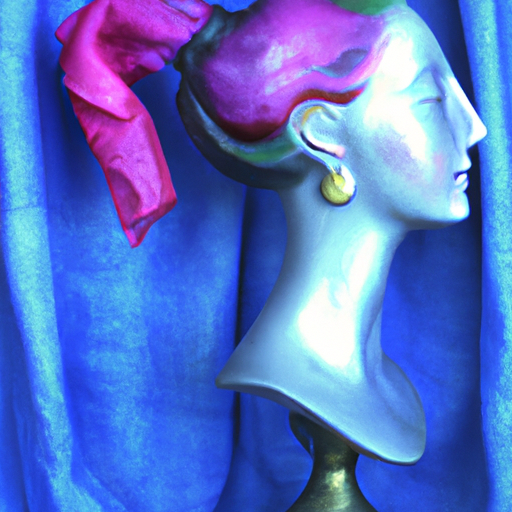
Example of visual style of Antoine Le Pautre

Antoine Le Pautre

Antoine Le Pautre was a French draughtsman and architect known for his intricate and ornate Baroque designs. Active during the late 17th century in France, his style was characterized by lavish decoration, grandeur, and symmetry. Le Pautre's work became famous for its opulence and his ability to create intricate and detailed designs for palaces, mansions, and churches, often incorporating elements such as intricate carvings, elaborate moldings, and extravagant embellishments.

View StyleExplore Style
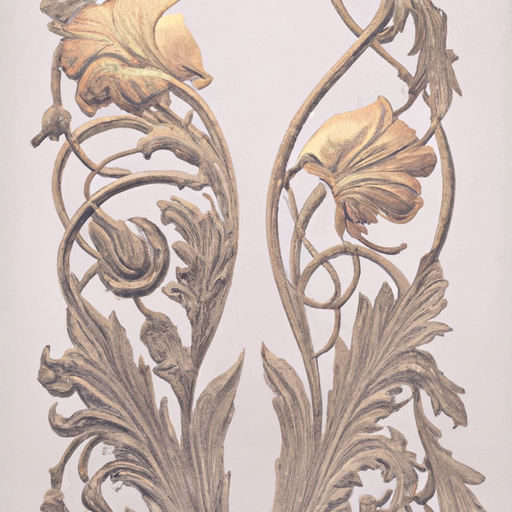
Example of visual style of Court Nobles

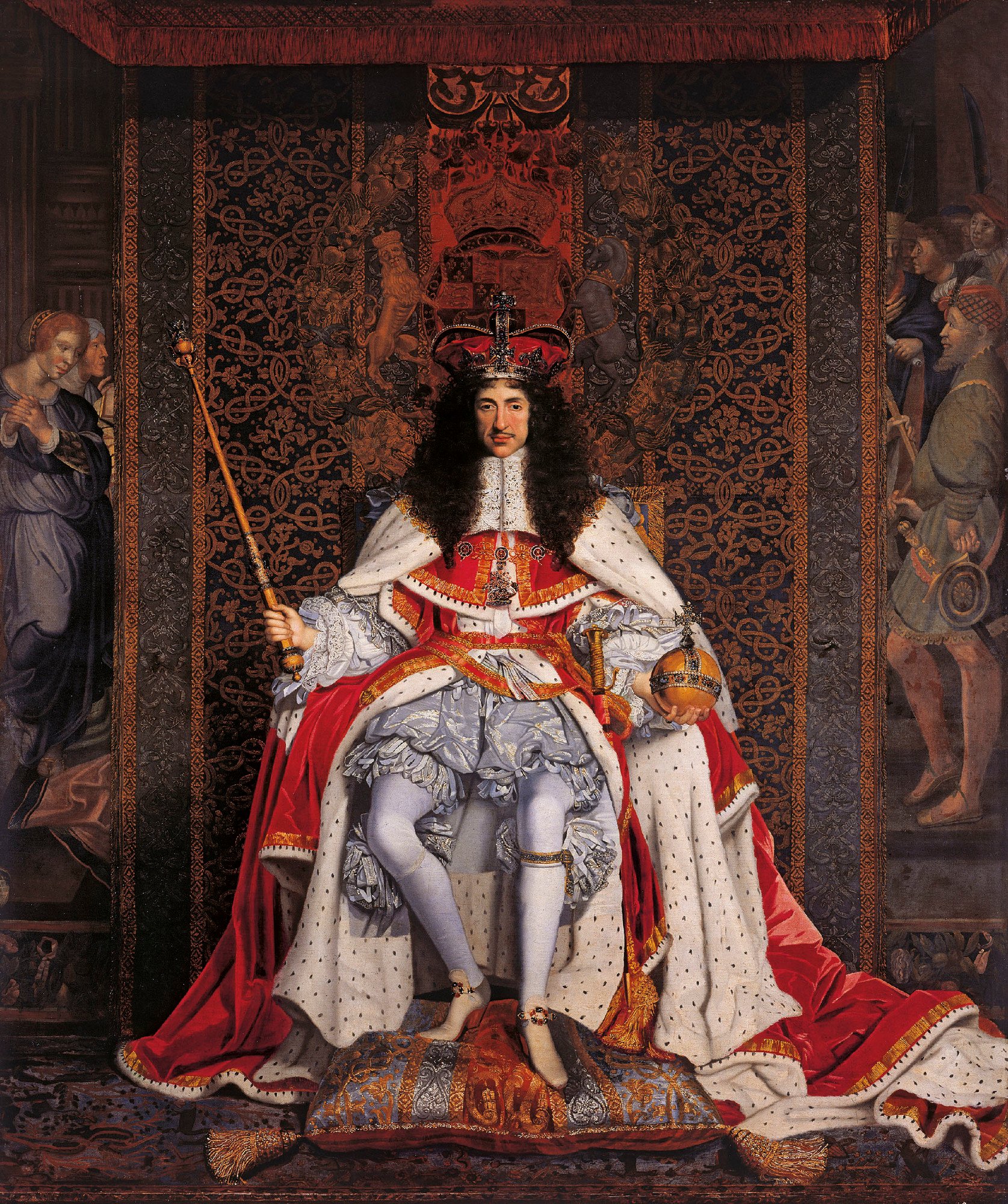
Court Nobles

Court Nobles is a visual style that emerged during the Renaissance in Europe, particularly in the 16th and 17th centuries. This style was predominantly associated with the aristocratic class and the royal courts of the time. Court Nobles became famous for its lavish and opulent aesthetics, characterized by ornate details, rich colors, and luxurious materials. It reflected the wealth and prestige of the ruling class, showcasing their power and grandeur through the visual arts and fashion.

View StyleExplore Style
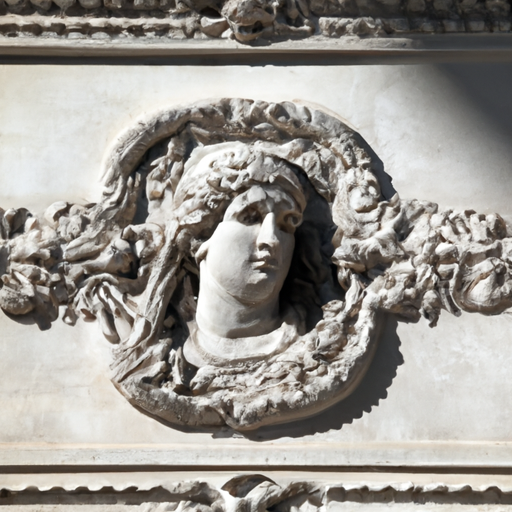
Example of visual style of Dubonnet

Dubonnet

Dubonnet is a visual style that emerged in the 1920s and became famous for its luxurious and elegant design. It originated from the Art Deco movement and reached its peak in the 1930s. Dubonnet is characterized by its bold geometric shapes, rich colors, and lavish decorative elements. This style gained popularity due to its association with the glamorous and sophisticated lifestyle of the time, with wealthy individuals and socialites embracing its opulent aesthetic.

View StyleExplore Style
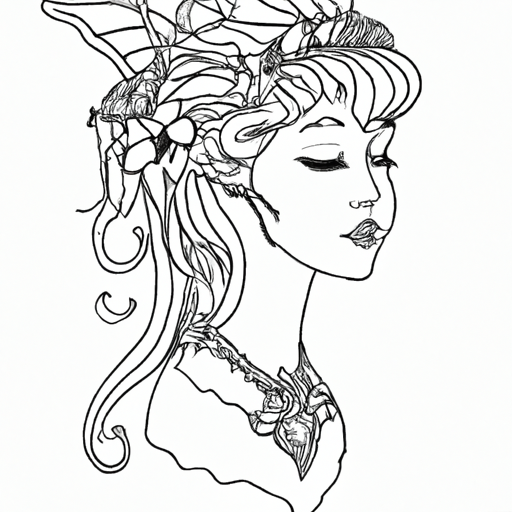
Example of visual style of French Monarchy

French Monarchy

The French Monarchy style, prevalent from the 16th to the 18th centuries, was characterized by opulence, grandeur, and a sense of power. It reached its peak during the reign of Louis XIV, also known as the Sun King, from 1643 to 1715. This style became famous for its lavish decorations, extravagant fashion, and monumental architecture, exemplified by the Palace of Versailles. It represented the absolute monarchy and aristocratic society of France, reflected in its ornate design and intricate details.

View StyleExplore Style
Example of visual style of Heian Culture

Heian Culture

Heian Culture refers to the visual style that emerged during the Heian period in ancient Japan, which lasted from 794 to 1185. This period was marked by a flourishing artistic and cultural scene. The Heian Culture is famous for its exquisite and lavish displays of art, literature, and fashion. It was during this time that the Tale of Genji, considered the first novel in the world, was written by Lady Murasaki Shikibu. The elegant and refined aesthetic of the Heian Culture continues to inspire and captivate people to this day.

View StyleExplore Style
Example of visual style of Luchino Visconti

Luchino Visconti

Luchino Visconti's visual style is characterized by its rich and grandiose aesthetic. From the 1940s to the 1970s, Visconti gained fame for his opulent and detailed production designs, elegant costuming, and meticulous attention to period accuracy. His style often showcased a sense of decadence and grandeur, making use of lavish sets and costumes to transport audiences to different historical eras. Visconti's visual style became particularly famous for its exquisite recreations of aristocratic settings, bringing the past to life on screen with remarkable detail and authenticity.

View StyleExplore Style
Example of visual style of Marie Antoinette

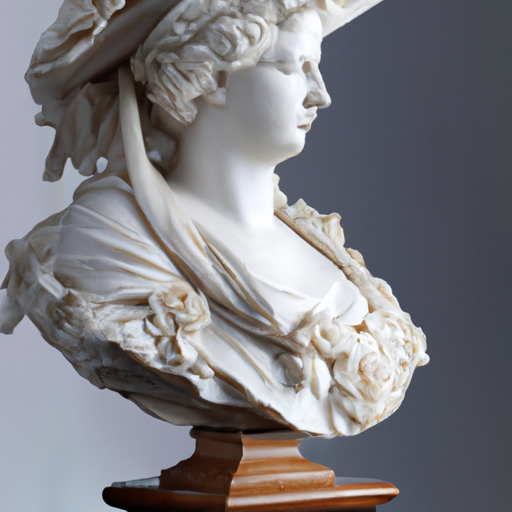
Marie Antoinette

The Marie Antoinette style emerged in the late 18th century during the reign of the French queen Marie Antoinette (1774-1792). Known for its opulence and excess, this visual style was famous for its extravagant and lavish aesthetic. Encapsulating the spirit of the Rococo period, it featured ornate decorations, intricate detailing, pastel color palettes, and an abundance of luxurious fabrics such as silk, satin, and lace. This style symbolized the excesses of the French monarchy and became iconic for its association with Marie Antoinette's extravagant lifestyle.

View StyleExplore Style
Example of visual style of Mgm

Mgm

Mgm, short for Metro-Goldwyn-Mayer, is a visual style that emerged in the 1920s and remained influential till the late 1950s. It is known for its grandeur and opulence, characterized by lavish sets, glamorous costumes, and high production values. Mgm pioneered the use of Technicolor in film, which added vibrant colors and enhanced the visual experience. This style became famous for its iconic musicals, such as 'Singin' in the Rain' (1952) and 'The Wizard of Oz' (1939), as well as its epic historical dramas like 'Ben-Hur' (1959) and 'Gone with the Wind' (1939).

View StyleExplore Style
Example of visual style of Opulent Baroque

Opulent Baroque

Opulent Baroque was a highly ornate and decorative visual style that emerged in the late 17th century and reached its peak during the 18th century. It is characterized by extravagant and lavish design elements, including intricate detailing, lavish use of gold and other precious materials, and a sense of grandeur. Opulent Baroque architecture, art, and design were famous for their opulence and excessive ornamentation, aiming to impress and inspire awe. This style became prominent in Europe, particularly in countries like Italy, France, and Spain, and is known for its exuberance and flamboyance.

View StyleExplore Style
Example of visual style of Preston Bailey

Preston Bailey

Preston Bailey is a renowned event designer known for his luxurious and breathtaking visual style. Working predominantly from the late 1990s till present, Bailey transformed the event industry with his extravagant floral designs, theatrical installations, and opulent decor. He gained fame through his ability to create immersive and lavish environments, transporting guests into fantasy worlds. His unparalleled creativity and attention to detail made him a sought-after designer for high-profile celebrity weddings, corporate events, and social gatherings.

View StyleExplore Style
Example of visual style of Rococo

Rococo

Rococo is a decorative and ornate art style that flourished in Europe during the 18th century. It reached its peak in the mid-1700s and was especially popular in France. Rococo is characterized by its emphasis on lavish decoration, delicate details, and a playful and lighthearted atmosphere. This style is known for its use of pastel colors, intricate patterns, curvaceous forms, and motifs inspired by nature. Notable features include asymmetric designs and the portrayal of romantic and mythological themes. Rococo became famous for its association with the French aristocracy and its luxurious and extravagant interiors.

View StyleExplore Style
Example of visual style of Sleeping Beauty

Sleeping Beauty

Sleeping Beauty is a visual style that emerged during the mid-20th century. It became famous through the 1959 animated film of the same name, produced by Walt Disney Productions. This style features vibrant colors, lavish costumes, and intricate details, creating a fantastical and romantic aesthetic. It is characterized by its graceful and elegant illustrations, inspired by medieval and Renaissance art. The iconic artistic direction of Eyvind Earle in the film brought this visual style to the forefront of popular culture.

View StyleExplore Style
Home