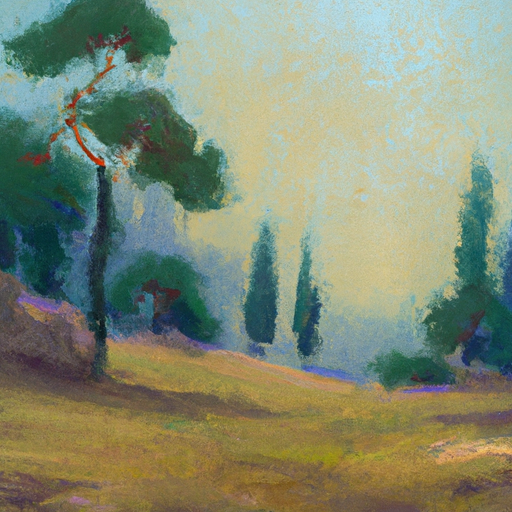
StylopediaStylopedia

Landscapes styles on Stylopedia

A visual encyclopedia of landscapes styles – use as prompt inspiration for Midjourney, Gemini, or ChatGPT AI when making landscapes images

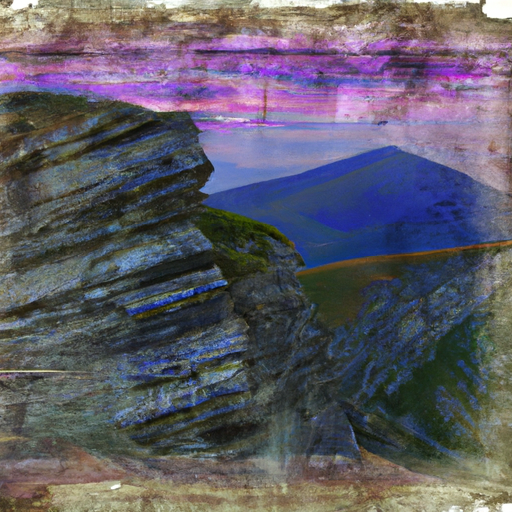
Example of visual style of Albrecht Durer

Albrecht Durer

Albrecht Durer, a German artist of the Renaissance period, was known for his meticulous attention to detail and technical skill. Active in the late 15th and early 16th centuries, Durer's work became famous for its realistic and precise portrayal of the natural world. His style is characterized by intricate linework, rich textures, and a strong sense of composition. Durer's prints, engravings, and paintings often featured religious and mythological subjects, as well as landscapes and portraits. His exceptional talent and innovative techniques made him one of the most influential artists of his time.

View StyleExplore Style
Example of visual style of Andre Derain

Andre Derain

Andre Derain was a French painter who co-founded the Fauvism movement in the early 20th century. Fauvism, which emerged between 1900 and 1910, is characterized by bold, vibrant colors and simplified forms. Derain's style was famous for its expressive use of bright, non-naturalistic colors and energetic brushstrokes. He is known for his landscapes, cityscapes, and figural paintings which captured the emotions and sensations of the subjects rather than adhering to realistic representation.

View StyleExplore Style
Example of visual style of Andrew Wyeth

Andrew Wyeth

Andrew Wyeth was an American realist painter known for his detailed, melancholic, and rural landscapes. His style emerged in the mid-20th century and his works gained fame for their emotional depth and meticulous attention to detail. Wyeth's most famous painting, 'Christina's World' (1948), brought his style to international recognition. His art often captured the quiet beauty and solitude of the American countryside, portraying subjects such as landscapes, figures, and objects in a highly realistic and sometimes haunting manner.

View StyleExplore Style
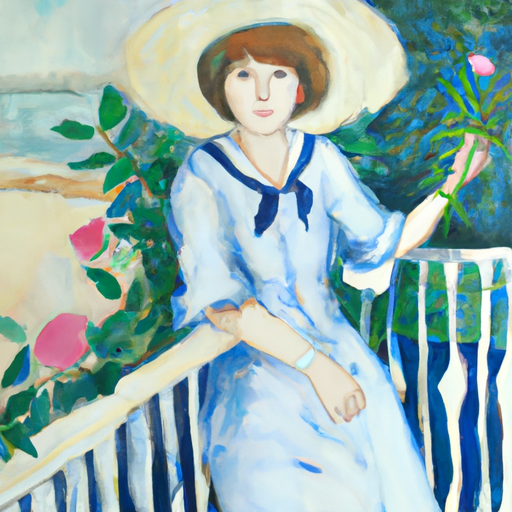
Example of visual style of Berthe Morisot

Berthe Morisot

Berthe Morisot was one of the leading figures of Impressionism during the late 19th and early 20th centuries. Her style is characterized by the use of loose brushwork, bright colors, and an emphasis on capturing the fleeting effects of light. Morisot's work often depicted intimate scenes of domestic life and landscapes, showcasing her ability to convey a sense of atmosphere and emotion through her brushstrokes. She gained fame for her unique perspective as a female artist in a male-dominated field and for her significant contributions to the Impressionist movement.

View StyleExplore Style
Example of visual style of Charles Marion Russell

Charles Marion Russell

Charles Marion Russell was an American artist who specialized in Western-themed paintings, sculptures, and illustrations. Active during the late 19th and early 20th centuries, Russell's work played a significant role in shaping the popular imagination of the American West. His realistic portrayals of cowboys, Native Americans, landscapes, and wildlife captured the ruggedness and romanticism associated with the frontier. Russell's keen attention to detail, use of vibrant colors, and ability to convey emotion made his work famous and iconic.

View StyleExplore Style
Example of visual style of Charlotte Bronte

Charlotte Bronte

The Charlotte Bronte visual style is characterized by its romantic and gothic elements, often depicted through moody and atmospheric landscapes, dark color palettes, and strong emotional depth. This style emerged in the 19th century and is closely associated with the works of the English author Charlotte Bronte, particularly her novel 'Jane Eyre'. The style became famous for its portrayal of complex female characters and its exploration of social and psychological issues of the time.

View StyleExplore Style
Example of visual style of David Burliuk

David Burliuk

David Burliuk was a Russian avant-garde artist and writer who co-founded the Cubo-Futurist movement. He was active in the early 20th century, particularly between 1910 and 1920. Burliuk's style is characterized by abstract and geometric forms, vibrant colors, and a sense of dynamism and movement. He gained fame for his experimental approach to art, incorporating elements of both Cubism and Futurism. His works often depicted urban scenes, landscapes, and portraits, capturing the energy and modernity of the time.

View StyleExplore Style
Example of visual style of David Hockney

David Hockney

David Hockney is an English painter, printmaker, and photographer known for his vibrant and colorful artworks. He emerged as a significant figure in the British Pop Art movement in the 1960s. Hockney's style is characterized by a unique blend of representation and abstraction, often using bold and bright colors to capture the essence of his subjects. His works have become famous for their exploration of space, perspective, and the use of collage. Hockney's most renowned works include his swimming pool paintings, double portraits, and landscapes. He continues to be a prominent and influential figure in the contemporary art world.

View StyleExplore Style
Example of visual style of Dutch Genre Painting

Dutch Genre Painting

Dutch Genre Painting, also known as Dutch Golden Age painting, emerged in the 17th century in the Netherlands. Characterized by realistic depictions of everyday life, it gained popularity during the Dutch Golden Age. The style flourished from approximately 1600 to 1700 and captured scenes from domestic life, landscapes, still lifes, and portraits. Dutch Genre Painting became famous for its attention to detail, lighting effects, and the ability to capture the essence of daily activities.

View StyleExplore Style
Example of visual style of Dutch Golden Age Painting

Dutch Golden Age Painting

Dutch Golden Age Painting flourished during the 17th century in the Dutch Republic, particularly in cities such as Amsterdam, Haarlem, and Delft. This period is renowned for its realism, detailed observation of everyday life, and mastery of light and shadows. Dutch Golden Age painters were often associated with guilds and produced a wide range of subjects, including portraits, landscapes, still lifes, genre scenes, and historical and biblical themes. The style became famous for its meticulous attention to detail, atmospheric perspective, and use of vibrant colors.

View StyleExplore Style
Example of visual style of Early Netherlandish Painting

Early Netherlandish Painting

Early Netherlandish Painting refers to the art movement that emerged in the Low Countries (current-day Netherlands and Belgium) during the 15th and 16th centuries. Characterized by meticulous attention to detail, rich colors, and naturalistic representation, this style revolutionized painting techniques of the time. It gained fame for its innovative use of oil paint, which allowed for greater depth and luminosity in the artworks. The artists of this period often depicted religious subjects, landscapes, and portraits, portraying them with a high level of realism.

View StyleExplore Style
Example of visual style of Edo Period Art

Edo Period Art

Edo Period Art refers to the artistic style that emerged during the Edo period in Japan, which spanned from 1603 to 1868. This period is also known as the Tokugawa period, named after the ruling Tokugawa shogunate. Edo Period Art is famous for its vivid and detailed depictions of various subjects such as landscapes, nature, daily life, kabuki theater, and ukiyo-e (woodblock prints). These artworks often showcased a combination of meticulous craftsmanship, vibrant colors, and a keen observation of the natural world. Edo Period Art played a crucial role in shaping the cultural and aesthetic identity of Japan during this time.

View StyleExplore Style
Example of visual style of Eyvind Earle

Eyvind Earle

Eyvind Earle is known for his distinctive and enchanting landscapes. His visual style, prominent in the mid-20th century, gained fame through his work in animation, especially as the background artist for Disney's Sleeping Beauty (1959). Earle's style is characterized by bold and vibrant colors, intricate patterns, and a meticulous attention to detail. His landscapes often feature stylized trees, rolling hills, and dramatic skies, creating a sense of depth and magical atmosphere.

View StyleExplore Style
Example of visual style of Felix Vallotton

Felix Vallotton

Felix Vallotton was a Swiss-French painter and printmaker who was active during the late 19th and early 20th centuries. He is known for his distinctive visual style characterized by sharp lines, bold colors, and simplified forms. Vallotton became famous for his woodcuts, which he used to depict scenes of everyday life, portraits, and landscapes. His work is known for its strong compositions, emotional intensity, and a sense of mystery. Vallotton's style was deeply influential, bridging the gap between the traditional academic art of the 19th century and the emerging modernist movements of the early 20th century.

View StyleExplore Style
Example of visual style of French Painters

French Painters

French Painters is a visual style that emerged in the 19th century and gained prominence in the early 20th century. This style is characterized by its emphasis on naturalistic representation, vibrant colors, and a focus on capturing the play of light and shadow. French Painters are known for their innovative techniques and exploration of various subject matters, including landscapes, portraits, still life, and historical scenes. This style became famous through the works of renowned artists such as Claude Monet, Pierre-Auguste Renoir, and Paul Cézanne.

View StyleExplore Style
Example of visual style of Georgia O'Keeffe

Georgia O'Keeffe

Georgia O'Keeffe was an American modernist artist known for her distinct style characterized by large-scale, close-up views of flowers, bones, and landscapes. She gained recognition in the 1920s for her bold and vibrant paintings that showcased her unique perspective on the natural world. O'Keeffe's work often showcased abstracted forms, simplified shapes, and intense colors, emphasizing the essence and beauty of her subjects. Her art became synonymous with American modernism and played a significant role in the development of American art during the early 20th century.

View StyleExplore Style
Example of visual style of Giovanni Bellini

Giovanni Bellini

Giovanni Bellini was an Italian Renaissance painter known for his luminous and atmospheric style. Active during the late 15th and early 16th centuries, Bellini's works are characterized by his exquisite attention to detail, vibrant colors, and skillful use of light and shadow. He is renowned for his religious paintings, particularly his Madonnas, which often feature rich landscapes as backdrops. Bellini's ability to create a sense of depth and spirituality through his use of color and composition has made him one of the most influential painters of his time.

View StyleExplore Style
Example of visual style of Gustave Courbet

Gustave Courbet

Gustave Courbet was a French painter known for his realistic depictions of everyday life and his rejection of academic traditions. He was an influential figure in the mid-19th century and is considered one of the pioneers of the Realist art movement. Courbet's paintings often portrayed ordinary working-class people, landscapes, and still life subjects with meticulous attention to detail and a sense of honesty. His works challenged the prevailing notions of idealized beauty and set the stage for the emergence of modern art.

View StyleExplore Style
Example of visual style of Harvey Dunn

Harvey Dunn

Harvey Dunn was an American painter known for his realist style and portrayal of the American West. Active in the late 19th and early 20th centuries, his work became famous for its dramatic lighting, detailed depictions of landscapes and figures, and emotional storytelling. Dunn's art often depicted scenes of cowboys, Native Americans, and pioneers, capturing the spirit of the American frontier. His pivotal role as an illustrator for magazines and books, such as The Saturday Evening Post and Harper's Weekly, further contributed to his fame.

View StyleExplore Style
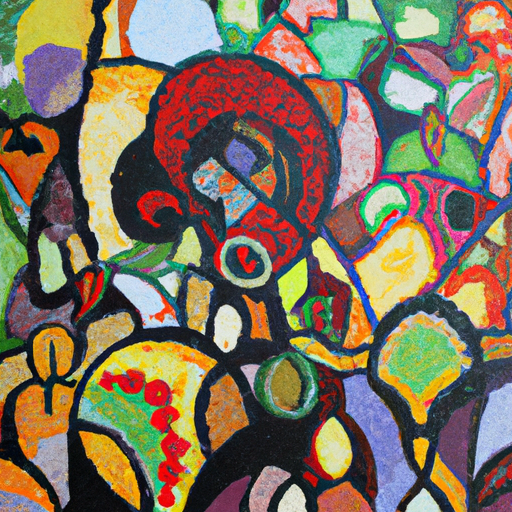
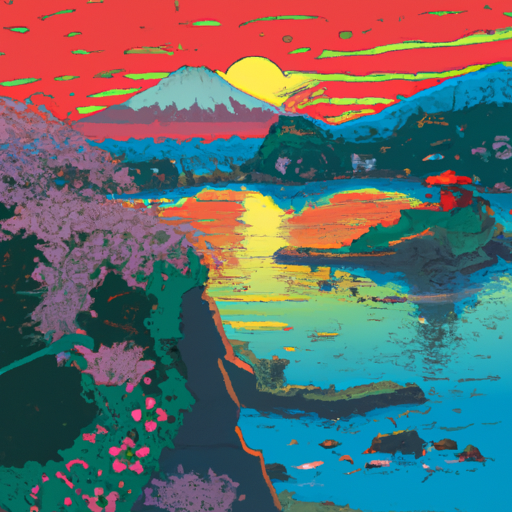
Example of visual style of Hasui Kawase

Hasui Kawase

Hasui Kawase was a Japanese artist known for his woodblock prints. Active during the early 20th century, particularly from the 1910s to the 1950s, Hasui's prints captured the beauty of landscapes and cityscapes in Japan. His style is characterized by delicate lines, vibrant colors, and a strong sense of atmosphere. He often depicted scenes during different seasons and weather conditions, showcasing the changing moods and ambiance of the landscapes. Hasui's prints became famous for their ability to evoke a sense of tranquility and nostalgia, making them highly sought after by art collectors and enthusiasts.

View StyleExplore Style
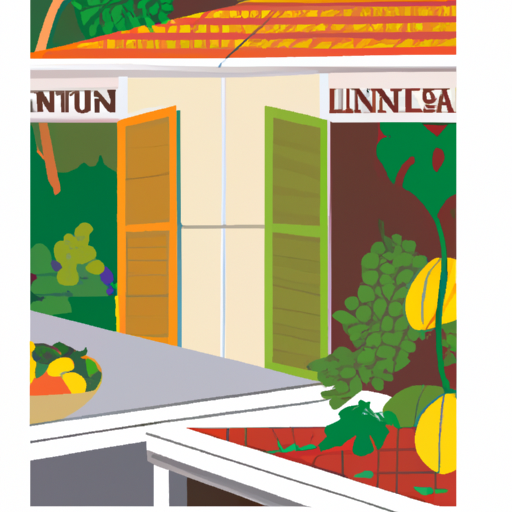
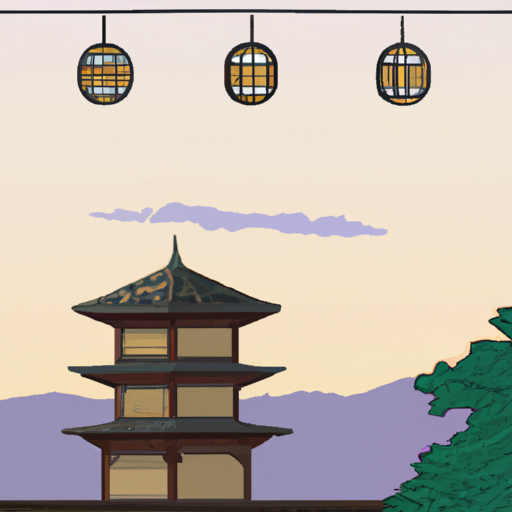
Example of visual style of Heian Period

Heian Period

Heian Period, from 794 to 1185, was a distinctive visual style in Japanese art and culture known for its elegance and refinement. It was a time of peace and prosperity, allowing for the flourishing of art, literature, and architecture. This period is particularly famous for its courtly aesthetics, characterized by graceful, delicate depictions and a love for beauty. The art of this era often featured aristocratic themes, including scenes from court life, exquisite landscapes, and refined portraits of nobles. The meticulous attention to detail and the emphasis on the spiritual and ethereal qualities of the subjects were central to the Heian Period style.

View StyleExplore Style
Example of visual style of Hishida Shunso

Hishida Shunso

Hishida Shunso was a Japanese painter known for his unique and innovative approach to traditional Japanese painting. Active during the late 19th and early 20th century, Hishida Shunso's style was marked by its delicate and intricate brushwork, as well as his use of vivid colors and a sense of realism. He is famous for his landscapes, especially his depictions of cherry blossoms and natural scenes of Japan. His work gained recognition and popularity during the Taisho period (1912-1926). Hishida Shunso's ability to capture the essence of a subject and convey emotions through his brushstrokes made him one of the most influential artists of his time and an important figure in Japanese art history.

View StyleExplore Style
Example of visual style of Hokusai

Hokusai

Hokusai is a Japanese visual style that emerged during the Edo period in the early 19th century. It is primarily known for the woodblock prints created by the artist Katsushika Hokusai. With its vivid colors, intricate details, and delicate lines, Hokusai's work portrayed landscapes, nature, and everyday life scenes. One of his most famous works is 'The Great Wave off Kanagawa' from the series 'Thirty-Six Views of Mount Fuji'. This style gained international recognition, influencing both Western and Japanese art.

View StyleExplore Style
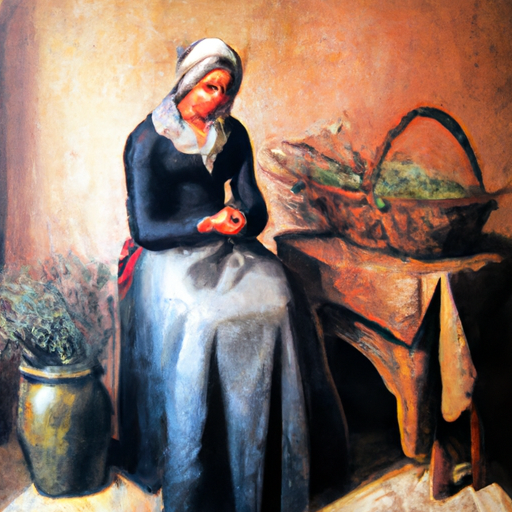
Example of visual style of Hudson River School

Hudson River School

The Hudson River School was a mid-19th-century American art movement named after the Hudson River Valley, where many of the artists found inspiration. This style is known for its breathtaking landscapes, capturing the beauty of the American wilderness. It gained recognition in the 1820s and 1830s and reached its peak in the 1850s. Artists of the Hudson River School sought to depict the grandeur of nature, showcasing vast landscapes, dramatic lighting, and realistic details. Their works often evoked a sense of awe and reverence for the untamed wilderness of America.

View StyleExplore Style
Example of visual style of Japanese Woodblock Prints

Japanese Woodblock Prints

Japanese Woodblock Prints is a traditional Japanese art form that flourished during the Edo period (1603-1868). It is characterized by intricate woodblock printmaking techniques and vibrant colors. These prints became famous for their depictions of landscapes, scenes from kabuki theater, and portraits of famous actors and courtesans. The use of block carving and printing techniques, along with the tradition of ukiyo-e (pictures of the floating world), made Japanese Woodblock Prints a popular and influential art style.

View StyleExplore Style
Example of visual style of Jean Baptiste Huet

Jean Baptiste Huet

Jean Baptiste Huet was a French painter and designer who lived from 1745 to 1811. He was known for his delicate and charming Rococo style, which became famous during the late 18th century. Huet's works often featured pastoral scenes, with an emphasis on nature, landscapes, and animals. His paintings were characterized by their soft color palette, graceful compositions, and intricate details. Huet's work became highly sought after and was popularized due to its romanticized depictions of the countryside, which resonated with the growing appreciation for idyllic rural life during that time.

View StyleExplore Style

Example of visual style of Jim Burns

Jim Burns

Jim Burns is a science fiction and fantasy artist known for his vivid and imaginative artworks. His work became famous during the 1970s and 1980s, and he continues to be a prominent figure in the genre. Burns' style is characterized by his use of vibrant colors, intricate details, and a fusion of organic and futuristic elements. His illustrations often feature fantastical landscapes, alien creatures, and futuristic technology, creating visual narratives that transport viewers to otherworldly realms.

View StyleExplore Style
Home