StylopediaStylopedia

Kabuki theater styles on Stylopedia

A visual encyclopedia of kabuki theater styles – use as prompt inspiration for Midjourney, Gemini, or ChatGPT AI when making kabuki theater images

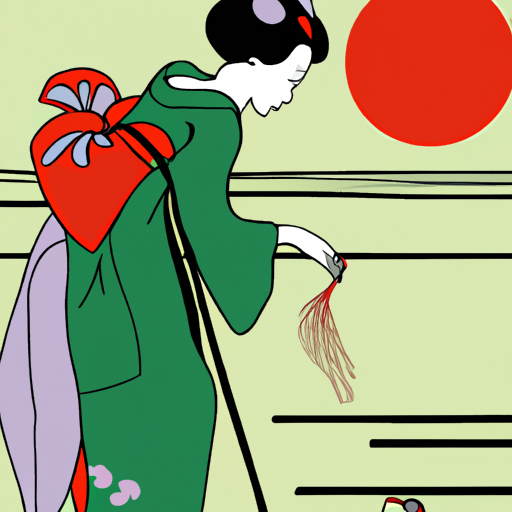
Example of visual style of Edo Period Art

Edo Period Art

Edo Period Art refers to the artistic style that emerged during the Edo period in Japan, which spanned from 1603 to 1868. This period is also known as the Tokugawa period, named after the ruling Tokugawa shogunate. Edo Period Art is famous for its vivid and detailed depictions of various subjects such as landscapes, nature, daily life, kabuki theater, and ukiyo-e (woodblock prints). These artworks often showcased a combination of meticulous craftsmanship, vibrant colors, and a keen observation of the natural world. Edo Period Art played a crucial role in shaping the cultural and aesthetic identity of Japan during this time.

View StyleExplore Style
Example of visual style of Japanese Woodblock Prints

Japanese Woodblock Prints

Japanese Woodblock Prints is a traditional Japanese art form that flourished during the Edo period (1603-1868). It is characterized by intricate woodblock printmaking techniques and vibrant colors. These prints became famous for their depictions of landscapes, scenes from kabuki theater, and portraits of famous actors and courtesans. The use of block carving and printing techniques, along with the tradition of ukiyo-e (pictures of the floating world), made Japanese Woodblock Prints a popular and influential art style.

View StyleExplore Style
Home