
StylopediaStylopedia

Kabuki styles on Stylopedia

A visual encyclopedia of kabuki styles – use as prompt inspiration for Midjourney, Gemini, or ChatGPT AI when making kabuki images

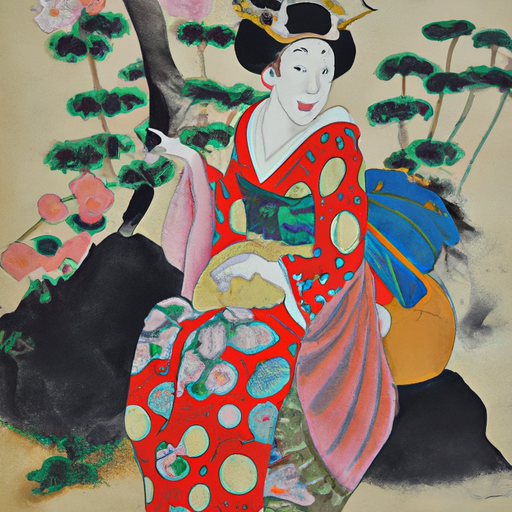
Example of visual style of Kunisada

Kunisada

Kunisada, also known as Utagawa Kunisada, was a prominent ukiyo-e artist in Japan during the 19th century. His style, which emerged in the late 1810s, is characterized by vibrant colors, intricate details, and a focus on depicting actors and beautiful women. Kunisada's prints became particularly famous for their realistic portrayal of Kabuki actors, capturing their facial expressions and elaborate costumes. His style remained popular until the mid-19th century, when the decline of the Edo period led to a decline in the demand for ukiyo-e prints.

View StyleExplore Style
Example of visual style of Tshsai Sharaku

Tshsai Sharaku

Tshsai Sharaku is a style of woodblock print that emerged in Japan during the late 18th century. It is known for its striking and unconventional portraits of kabuki actors. The style was popular for a brief period, from 1794 to 1795, and then disappeared for nearly two centuries. The distinctive features of Tshsai Sharaku prints are exaggerated facial expressions, exaggerated body proportions, and a focus on capturing the unique characteristics and emotions of the actors. The style gained fame due to its bold and stylized approach to portraiture, and it remains highly regarded in the history of Japanese art.

View StyleExplore Style
Home