StylopediaStylopedia

Irreverent styles on Stylopedia

A visual encyclopedia of irreverent styles – use as prompt inspiration for Midjourney, Gemini, or ChatGPT AI when making irreverent images

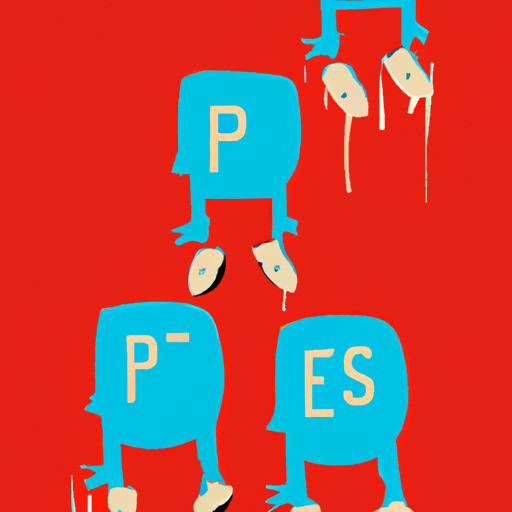
Example of visual style of American Dad

American Dad

American Dad is an animated sitcom with a distinct visual style known for its bold, vibrant, and exaggerated aesthetic. It first aired in 2005 and gained popularity for its unique blend of absurdity, political satire, and irreverent humor. The show's visual style combines clean and sharp lines with bright colors, creating a visually striking and eye-catching look. The characters are often depicted with exaggerated features and caricatured designs, adding to the overall comedic tone. American Dad's visual style has become iconic and is easily recognizable among animated television shows.

View StyleExplore Style
Example of visual style of Lowbrow Art

Lowbrow Art

Lowbrow Art, also known as Pop Surrealism, emerged in the 1970s and gained popularity in the 1990s. It is characterized by its unconventional subject matters, often drawing inspiration from comic books, graffiti, underground music, and alternative subcultures. Lowbrow Art challenges mainstream art conventions and embraces a playful and irreverent aesthetic. This style became famous for its fusion of pop culture elements with fine art techniques, resulting in visually captivating and thought-provoking artworks that appeal to a wide audience.

View StyleExplore Style
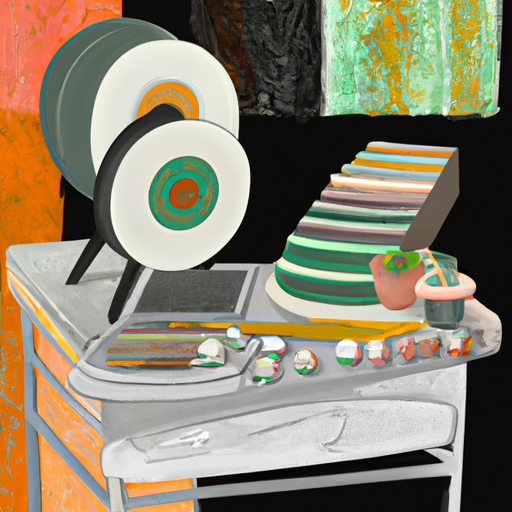
Example of visual style of Memphis Design Group

Memphis Design Group

The Memphis Design Group is a postmodern design movement that emerged in the 1980s. It was founded in Milan, Italy by Ettore Sottsass and a group of young designers. The movement became famous for its bold and vibrant colors, asymmetrical shapes, and eclectic mix of patterns and materials. It rejected the minimalist aesthetic of the time and embraced a playful and irreverent approach to design. The Memphis Design Group gained international recognition with its debut exhibition in 1981, which showcased furniture, lighting, and decorative objects that were unlike anything seen before. The movement had a major impact on the design world and inspired a range of products and interiors with its distinctive style.

View StyleExplore Style
Example of visual style of National Lampoon

National Lampoon

The National Lampoon visual style emerged during the 1970s and became famous for its satirical and irreverent approach. It was known for its bold and humorous illustrations, often incorporating exaggerated characters and absurd situations. National Lampoon gained popularity for its magazine covers, which featured iconic art that reflected the counterculture of the time. This style remained influential throughout the 1980s and beyond, inspiring other satirical publications and comedy films.

View StyleExplore Style
Example of visual style of Trey Parker

Trey Parker

Trey Parker is a visual style that refers to the distinct animation style used in the creations of Trey Parker, an American animator, writer, director, and voice actor. Parker co-created the animated television show South Park, which premiered in 1997 and gained huge popularity for its sharp satirical humor and irreverent style. The visual style of Trey Parker is characterized by crude and simplistic animation, exaggerated facial expressions, and minimalistic designs. It often employs a combination of hand-drawn and computer-generated animations, with a focus on bright and bold colors. This style is known for its ability to push boundaries and address controversial topics through its unique visuals.

View StyleExplore Style
Example of visual style of Underground Comix

Underground Comix

Underground Comix is a visual style that emerged in the 1960s and became famous throughout the 1970s. It is characterized by its countercultural and subversive nature, often exploring taboo topics and challenging mainstream social norms. Underground Comix gained popularity due to its bold and irreverent approach to storytelling, often focusing on themes such as drugs, sexuality, and political activism. This style pushed the boundaries of traditional comic book storytelling and paved the way for alternative and independent comic artists.

View StyleExplore Style
Home