
StylopediaStylopedia

Irony styles on Stylopedia

A visual encyclopedia of irony styles – use as prompt inspiration for Midjourney, Gemini, or ChatGPT AI when making irony images

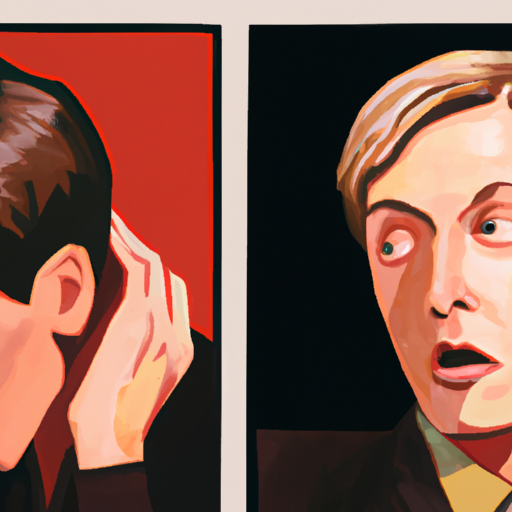
Example of visual style of British Comedy

British Comedy

British Comedy is a genre of humor that originated in the United Kingdom. It gained popularity in the late 20th century and continues to be influential today. This style is characterized by its dry wit, clever wordplay, irony, and satire. Famous British comedies such as Monty Python's Flying Circus (1969-1974), Fawlty Towers (1975-1979), and The Office (2001-2003) are prime examples of this style. British Comedy often tackles social and political issues with a humorous and often absurd approach, making it unique and widely recognized.

View StyleExplore Style
Example of visual style of Claes Oldenburg

Claes Oldenburg

Claes Oldenburg is known for his unique style of Pop Art, which emerged in the 1960s. With a focus on transforming everyday objects into monumental sculptures, Oldenburg challenged traditional notions of art and its subject matter. His work often explores themes of consumerism, popular culture, and the ironies of American society. Oldenburg's fame grew with his large-scale installations like the 'Giant BLT' and 'Clothespin', which showcased his playful and satirical approach to art. His innovative use of materials and exaggerated scale made him a prominent figure in the art world.

View StyleExplore Style
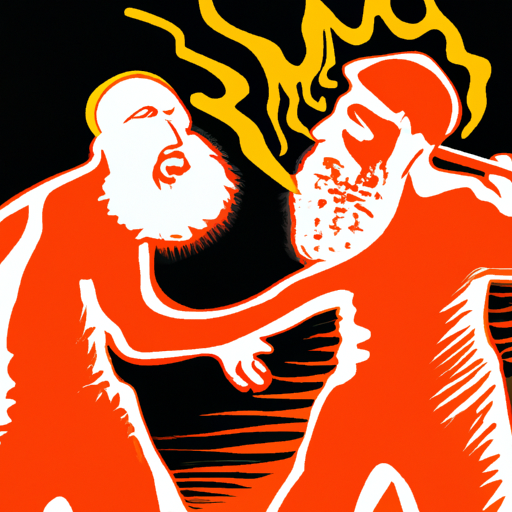
Example of visual style of Guerrilla Girls

Guerrilla Girls

The Guerrilla Girls is an anonymous group of feminist artists founded in 1985. They are known for their bold, satirical, and visually striking posters, billboards, and other public art interventions. With their use of humor and irony, they critique gender and racial inequality in the art world, often calling out galleries, museums, and artists for their lack of representation. The Guerrilla Girls have been extremely influential in raising awareness about these issues and inspiring a new wave of feminist activism in the art world.

View StyleExplore Style
Example of visual style of Political Cartoons

Political Cartoons

Political cartoons are a visual style of satirical illustrations that gained popularity in the late 18th century and continue to be influential today. These cartoons use caricatures, humor, and irony to make political commentary on current events, often with a strong social or political message. Famous political cartoonists like Thomas Nast, Honore Daumier, and Ralph Steadman have used their artwork to challenge authority, expose corruption, and shape public opinion.

View StyleExplore Style
Example of visual style of Richard Hamilton

Richard Hamilton

Richard Hamilton was a British artist and pioneer of Pop Art. His visual style is characterized by a combination of popular culture imagery, consumerism, and a sense of irony. His work emerged in the 1950s and 1960s and played a significant role in popularizing the Pop Art movement, which challenged traditional artistic conventions by incorporating commercial and mass-produced imagery. Hamilton's use of collage, appropriation, and innovative printmaking techniques made his work stand out and gain international fame.

View StyleExplore Style
Example of visual style of Satirical Illustration

Satirical Illustration

Satirical Illustration is a style of artwork that uses irony, sarcasm, and humor to criticize and mock various aspects of society. It gained popularity during the 18th century with the rise of political and social satire. The style became particularly famous in the 19th and 20th centuries through the works of artists like Honoré Daumier, James Gillray, and Thomas Nast. Satirical Illustration often employs exaggerated or grotesque imagery and witty captions to convey its satirical messages.

View StyleExplore Style
Home