StylopediaStylopedia

Ironic styles on Stylopedia

A visual encyclopedia of ironic styles – use as prompt inspiration for Midjourney, Gemini, or ChatGPT AI when making ironic images

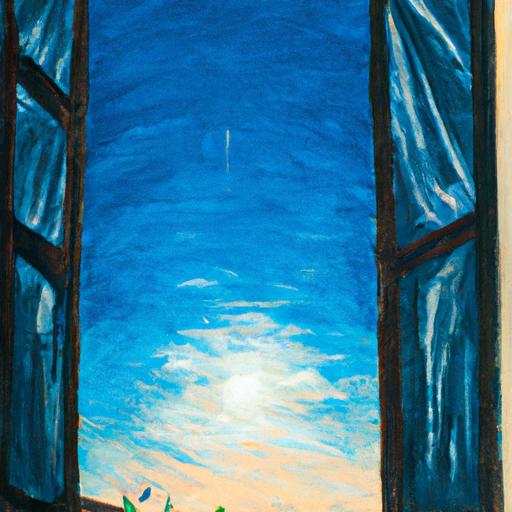
Example of visual style of Droog Design

Droog Design

Droog Design is a Dutch design collective known for its unconventional and thought-provoking approach to design. Founded in 1993, it gained prominence in the 1990s and early 2000s for its innovative and often ironic take on everyday objects. Droog Design became famous for blurring the boundaries between art and design, challenging traditional notions of functionality and aesthetics. Their designs often feature clean lines, simple forms, and a focus on materials and craftsmanship.

View StyleExplore Style
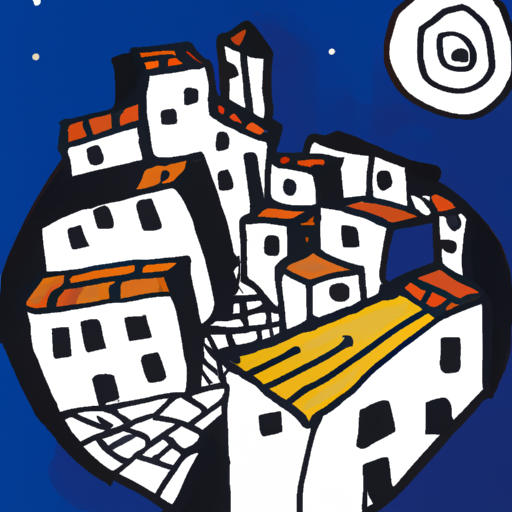
Example of visual style of Post Modernism

Post Modernism

Post Modernism is a visual style that emerged in the mid-20th century, reaching its peak of popularity in the 1970s and 1980s. It is characterized by a rejection of the strict rules and principles of Modernism, and instead embraces a combination of various styles, influences, and references from different periods and cultures. Post Modernism gained fame for its eclectic and playful approach to design, often incorporating elements of kitsch, irony, and pastiche. It challenges the notion of a single, unified style and celebrates individualism and cultural diversity.

View StyleExplore Style
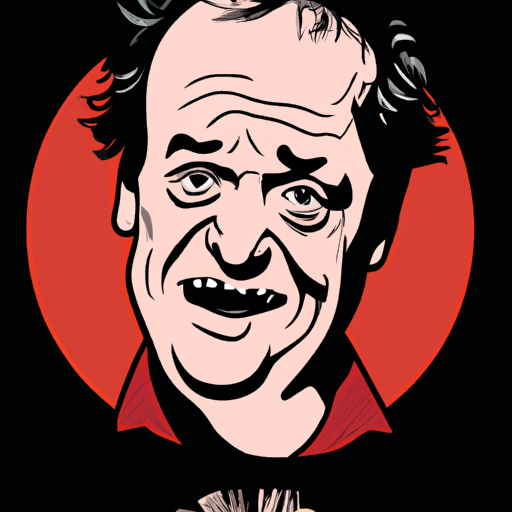
Example of visual style of Postmodernism

Postmodernism

Postmodernism is a visual style that emerged in the late 20th century, particularly in the 1970s to the 1990s. It gained prominence as a reaction against modernism's strict rules and emphasis on functionality. Postmodernism is known for its eclectic, playful, and often ironic approach to design. It incorporates a mix of historical and cultural references, blurring the boundaries between high and low art, and often challenges traditional notions of form and function. This style became famous for its infusion of bold colors, exaggerated shapes, and the incorporation of elements from various periods and cultures.

View StyleExplore Style
Home