StylopediaStylopedia

Intricate patterns styles on Stylopedia

A visual encyclopedia of intricate patterns styles – use as prompt inspiration for Midjourney, Gemini, or ChatGPT AI when making intricate patterns images

Example of visual style of Aladdin

Aladdin

The visual style of 'Aladdin' is a vibrant blend of traditional Arabian and Indian art. Released in 1992 by Disney, this animated film brought to life a whimsical world filled with rich colors, intricate patterns, and a lively sense of adventure. The film's stunning artwork drew inspiration from various sources, including Islamic architecture, Indian miniatures, and Persian carpets. 'Aladdin' became famous for its dynamic animation, catchy music, and memorable characters like Aladdin, Jasmine, and the lovable Genie.

View StyleExplore Style
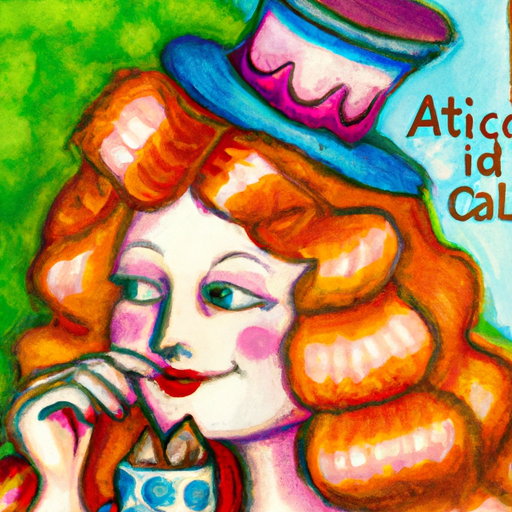
Example of visual style of Alice In Wonderland

Alice In Wonderland

Alice In Wonderland is a whimsical and fantastical visual style that gained popularity in the mid-19th century. It became famous through Lewis Carroll's novel 'Alice's Adventures in Wonderland' and its subsequent adaptations. This style is characterized by surreal and exaggerated elements, vivid and vibrant colors, anthropomorphic creatures, intricate patterns, and a sense of playfulness. It is inspired by the Victorian era and often incorporates elements of fantasy and imagination.

View StyleExplore Style
Example of visual style of Arts And Crafts

Arts And Crafts

Arts and Crafts is a style that emerged in the late 19th century in Britain and gained popularity in the early 20th century. It was a reaction against industrialization and emphasized craftsmanship, traditional techniques, and natural materials. This style was made famous by influential designers and architects like William Morris, Charles Rennie Mackintosh, and Gustav Stickley. It was characterized by intricate patterns, handcrafted furniture, simple forms, and a focus on the beauty of natural materials.

View StyleExplore Style
Example of visual style of Carolyne Roehm

Carolyne Roehm

Carolyne Roehm is an influential American designer known for her elegant and refined aesthetic. Her visual style encompasses classic and timeless elements, with a focus on luxurious materials and impeccable craftsmanship. Roehm rose to fame in the 1980s as a fashion designer and later transitioned into home décor and event planning. She gained attention for her attention to detail and ability to create stunning and sophisticated spaces. Carolyne Roehm is renowned for her use of florals, pastel color palettes, and intricate patterns, which have become iconic in her work.

View StyleExplore Style
Example of visual style of Craniodsgn

Craniodsgn

Craniodsgn is a highly abstract and futuristic visual style that emerged in the early 2000s. This style gained popularity for its avant-garde and unique designs, blending elements of geometric shapes, vibrant colors, and digital effects. The use of intricate patterns and fragmented compositions characterizes Craniodsgn. It is influenced by various art movements such as Op Art and Cubism. Craniodsgn became famous due to its association with digital art and its representation of the rapidly advancing technological era.

View StyleExplore Style
Example of visual style of Edouard Vuillard Domestic Space

Edouard Vuillard Domestic Space

Edouard Vuillard Domestic Space is a visual style that emerged in the late 19th and early 20th centuries. It is characterized by its intimate and detailed portrayal of domestic interiors, often focusing on the everyday lives of bourgeois families and their surroundings. Vuillard's paintings gained popularity for their use of rich colors, intricate patterns, and the artist's unique ability to capture the atmosphere and mood of domestic settings.

View StyleExplore Style
Example of visual style of Emanuel Ungaro

Emanuel Ungaro

Emanuel Ungaro is a visual style that emerged in the 1960s and became famous for its vibrant and flamboyant designs. It is characterized by its use of bold colors, intricate patterns, and luxurious fabrics. Emanuel Ungaro, the French fashion designer, was known for his innovative and sensual approach to fashion, which brought a more avant-garde and daring aesthetic to the industry. His designs often featured asymmetrical cuts, ruffles, and draping, creating a sense of movement and femininity. Ungaro's style gained popularity in the 1980s and 1990s, and his creations were worn by many celebrities and fashion icons.

View StyleExplore Style
Example of visual style of Eyvind Earle

Eyvind Earle

Eyvind Earle is known for his distinctive and enchanting landscapes. His visual style, prominent in the mid-20th century, gained fame through his work in animation, especially as the background artist for Disney's Sleeping Beauty (1959). Earle's style is characterized by bold and vibrant colors, intricate patterns, and a meticulous attention to detail. His landscapes often feature stylized trees, rolling hills, and dramatic skies, creating a sense of depth and magical atmosphere.

View StyleExplore Style
Example of visual style of Faith Ringgold

Faith Ringgold

Faith Ringgold is known for her visually stunning and socially conscious works, blending quilting, painting, and storytelling. Her style emerged in the 1960s during the height of the Civil Rights Movement and the Feminist Movement. Ringgold's famous use of vibrant colors, intricate patterns, and geometric shapes created a visual impact that captivated audiences. Her focus on themes such as race, power, and gender inequality made her a prominent figure in the feminist art movement. Ringgold's art became famous not only for its aesthetic beauty but also for the powerful messages it conveyed, inspiring dialogue and challenging societal norms.

View StyleExplore Style
Example of visual style of Fujiwara No Michinaga

Fujiwara No Michinaga

The Fujiwara No Michinaga style was prominent in Japan during the Heian period (11th century). Named after the influential Japanese statesman and regent Fujiwara no Michinaga, this visual style is characterized by its elegant and refined aesthetic. It is known for its emphasis on simplicity, asymmetry, and subtlety. The style gained recognition for its use of intricate patterns, delicate colors, and a combination of natural motifs and geometric shapes. Fujiwara No Michinaga helped establish this style by patronizing various artists and craftsmen, leading to its popularity and influence in the art and design of the time.

View StyleExplore Style

Home