StylopediaStylopedia

Intricate ornamentation styles on Stylopedia

A visual encyclopedia of intricate ornamentation styles – use as prompt inspiration for Midjourney, Gemini, or ChatGPT AI when making intricate ornamentation images

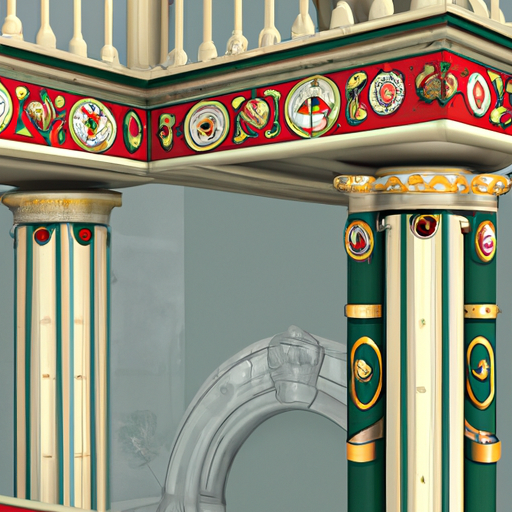
Example of visual style of Augustus Pugin

Augustus Pugin

Augustus Pugin was a prominent British architect and designer in the 19th century. He is best known for his role in the Gothic Revival and his influence on Victorian architecture. Pugin's style emerged in the 1830s and was characterized by the use of medieval architectural elements, intricate ornamentation, and a strong emphasis on craftsmanship and historical references. His designs played a significant role in shaping the visual aesthetic of the Victorian era, particularly in relation to ecclesiastical and government buildings.

View StyleExplore Style
Example of visual style of Josep Maria Jujol

Josep Maria Jujol

Josep Maria Jujol was a Catalan architect and designer known for his unique and unconventional architectural style. He was active during the late 19th and early 20th centuries, particularly between 1906 and 1930. Jujol's distinctive style was characterized by the use of organic shapes, vibrant colors, intricate ornamentation, and the incorporation of natural elements. His works often featured curved lines, asymmetrical compositions, and a playfulness that defied the traditional norms of architecture. Jujol's close collaboration with Antoni Gaudí, another famous Catalan architect, brought him recognition and made his style influential in the modernist movement.

View StyleExplore Style
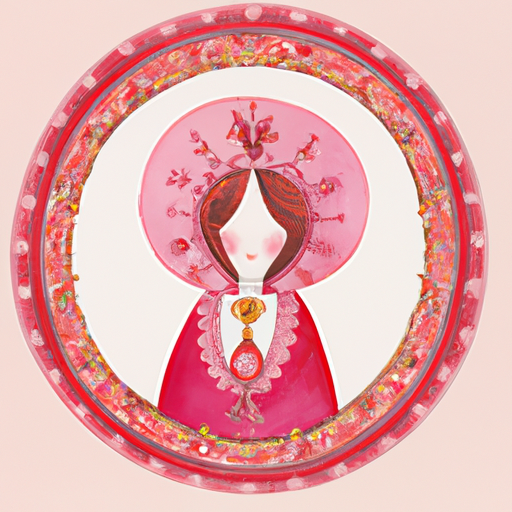
Example of visual style of Madame De Pompadour

Madame De Pompadour

Madame De Pompadour is a visual style that emerged during the 18th century in France, particularly during the reign of Louis XV. It is named after Jeanne-Antoinette Poisson, Marquise de Pompadour, who was the official chief mistress of Louis XV and a prominent patroness of the arts. This style is characterized by its lavishness, opulence, and rococo aesthetics. It is famous for its intricate ornamentation, delicate pastel colors, and asymmetrical designs. The style reached its peak in the mid-18th century and was widely used in interior design, fashion, and decorative arts.

View StyleExplore Style
Example of visual style of Modernisme

Modernisme

Modernisme is an artistic and architectural style that emerged in the late 19th and early 20th centuries. It reached its peak of popularity between 1888 and 1911 in Catalonia, Spain. Modernisme is famous for its use of organic and sinuous forms, intricate ornamentation, and incorporation of natural motifs, such as flowers and vines. It was inspired by the unique combination of Catalan nationalism, an interest in medieval art and architecture, and the influence of European Art Nouveau. Modernisme is characterized by its emphasis on craftsmanship and the integration of various artistic disciplines, including architecture, sculpture, painting, and decorative arts.

View StyleExplore Style
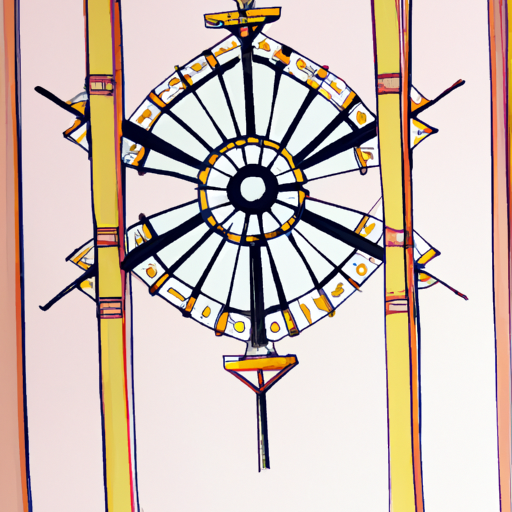
Example of visual style of Vienna Secession

Vienna Secession

Vienna Secession was an art movement that emerged in Vienna in 1897 and lasted until 1905. It was founded by a group of artists who rebelled against the traditional academic art of the time. The movement was famous for its emphasis on individual expression, decorative style, and the integration of different artistic disciplines. Vienna Secession is characterized by its use of geometric shapes, organic forms, and intricate ornamentation. It is known for its innovative graphic design, which utilized typography and illustration in a bold and decorative manner. The movement aimed to break free from the confines of academic art and embrace a more modern and individualistic approach.

View StyleExplore Style
Home