StylopediaStylopedia

Intricate linework styles on Stylopedia

A visual encyclopedia of intricate linework styles – use as prompt inspiration for Midjourney, Gemini, or ChatGPT AI when making intricate linework images

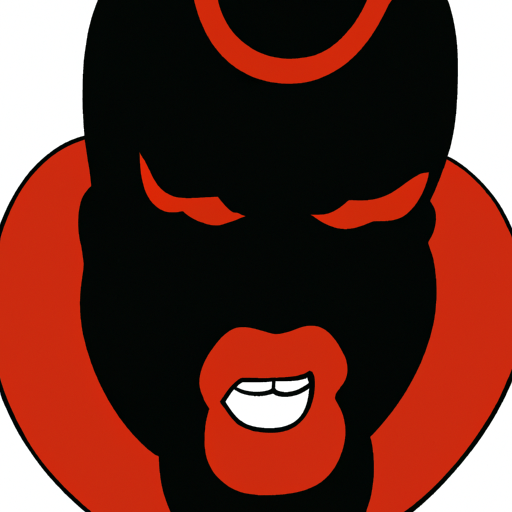
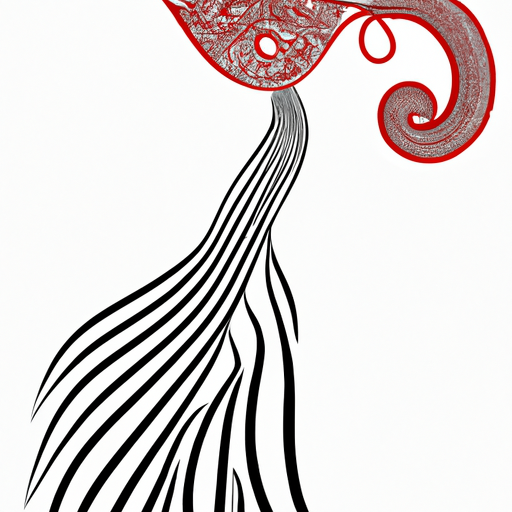
Example of visual style of Albrecht Durer

Albrecht Durer

Albrecht Durer, a German artist of the Renaissance period, was known for his meticulous attention to detail and technical skill. Active in the late 15th and early 16th centuries, Durer's work became famous for its realistic and precise portrayal of the natural world. His style is characterized by intricate linework, rich textures, and a strong sense of composition. Durer's prints, engravings, and paintings often featured religious and mythological subjects, as well as landscapes and portraits. His exceptional talent and innovative techniques made him one of the most influential artists of his time.

View StyleExplore Style
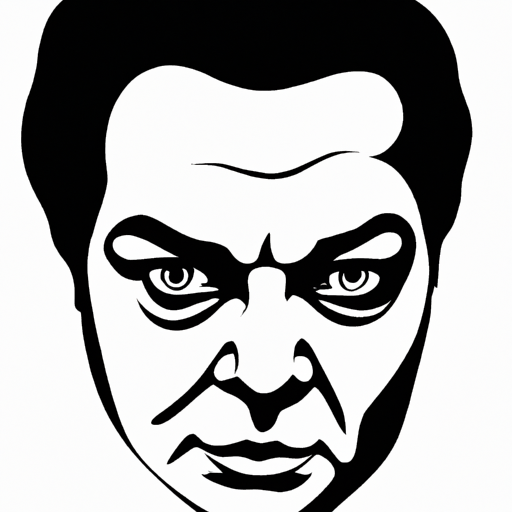
Example of visual style of Charles Burns

Charles Burns

The Charles Burns style is a unique blend of dark, surreal and grotesque imagery. Burns gained fame in the late 20th century through his distinctive black and white illustrations in comics and graphic novels. His work is characterized by its intricate linework, stark contrast, and distorted, often unsettling characters. Burns became particularly famous for his graphic novel series 'Black Hole', published from 1995 to 2005, which explored themes of adolescence, sexuality, and body horror.

View StyleExplore Style
Example of visual style of Fables Comic Book Series

Fables Comic Book Series

The Fables comic book series, created by Bill Willingham, is renowned for its visually stunning and highly detailed artwork. Launched in 2002, this long-running series gained a reputation for its unique blend of fantasy and noir elements, captivating readers with its modern twists on classic fairy tale characters. The art style encompasses intricate linework, vibrant colors, and richly detailed backgrounds, bringing the fantastical Fabletown and its inhabitants to life.

View StyleExplore Style
Example of visual style of James Jean

James Jean

James Jean is a Taiwanese-American visual artist known for his highly detailed and whimsical paintings. He gained popularity in the early 2000s for his work as a cover artist for comic books, particularly for his iconic covers for the hit series 'Fables'. Jean's style is characterized by his masterful use of intricate linework, vibrant colors, and a dreamlike quality. His work often incorporates elements of fantasy, mythology, and nature, and is influenced by Eastern and Western artistic traditions. James Jean's stunning imagery and technical skill have made him one of the most renowned artists of his generation.

View StyleExplore Style

Example of visual style of Jim Steranko

Jim Steranko

Jim Steranko's visual style emerged in the 1960s and became famous for its dynamic and innovative approach to comic book art. His work is characterized by bold compositions, striking use of black and white, intricate linework, and a combination of pop art and psychedelic influences. Steranko's style revolutionized the comic book medium and influenced future artists with his experimental storytelling techniques, such as panel compositions, unconventional perspectives, and cinematic storytelling. He gained prominence for his work on Marvel Comics' Nick Fury: Agent of S.H.I.E.L.D. during 1966-1967. Steranko's visual style played a significant role in the Silver Age of comics and remains influential to this day.

View StyleExplore Style
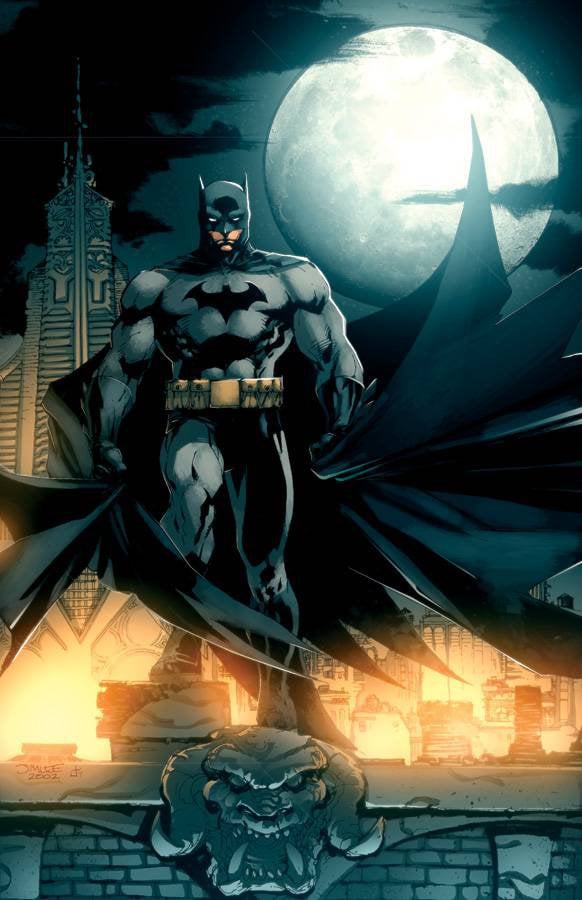
Example of visual style of Marc Silvestri

Marc Silvestri

Marc Silvestri is known for his highly detailed and dynamic artwork. His style emerged in the late 1980s and became popular in the 1990s through his work on titles like "Uncanny X-Men" and "Wolverine." Silvestri's art is characterized by bold, dynamic poses, intricate linework, and a strong sense of anatomy. His attention to detail is evident in his meticulously rendered backgrounds and costume designs. Silvestri's style became famous for its cinematic quality and his ability to capture intense action scenes, making his work a staple in the superhero genre.

View StyleExplore Style
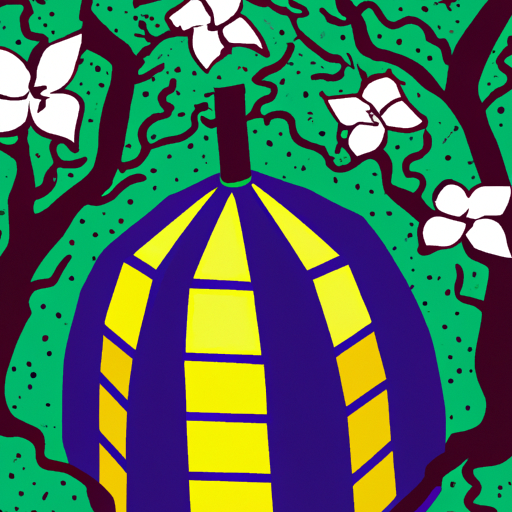
Example of visual style of Milo Manara

Milo Manara

Milo Manara is an Italian comic book artist known for his highly detailed and realistic style. His work is characterized by intricate linework, bold use of shadows, and meticulous attention to anatomy. Manara gained widespread recognition in the 1980s for his erotic and sensual illustrations, particularly in collaborations with writer Federico Fellini and filmmaker Alejandro Jodorowsky. His provocative and boundary-pushing art has made him a prominent figure in the erotic comics genre.

View StyleExplore Style

Example of visual style of Moto Hagio

Moto Hagio

Moto Hagio is a visual style in manga art, particularly associated with the shōjo (girls') manga genre. Originating in the 1970s, Hagio revolutionized the genre with her intricate and emotionally resonant storytelling. Her style is characterized by delicately detailed linework, ethereal and expressive character designs, and atmospheric backgrounds. Hagio's exploration of complex themes such as love, identity, and trauma set a new standard for shōjo manga and made her a pioneer in the field.

View StyleExplore Style
Example of visual style of Shōjo Manga

Shōjo Manga

Shōjo Manga is a Japanese visual style that emerged in the 1960s and became widely popular in the following decades. It is characterized by its focus on young girls as the target audience and its emphasis on emotional and romantic themes. Shōjo Manga is known for its delicate and beautiful artwork, often featuring intricate linework, flowery backgrounds, and detailed character designs. This style became famous for breaking away from traditional gender roles and exploring topics like love, friendship, and personal growth. With influential works like 'Candy Candy' by Kyoko Mizuki and Yumiko Igarashi, Shōjo Manga gained international recognition and continues to be an important genre in Japanese comics and animation.

View StyleExplore Style
Example of visual style of Steve Ditko

Steve Ditko

Steve Ditko is a comic book artist and writer who is best known for his unique and iconic visual style that emerged in the 1960s. His style is characterized by intricate linework, bold use of shadows, and dynamic posing of characters. Ditko gained fame for co-creating the superhero Spider-Man with writer Stan Lee in 1962, and his style became synonymous with the character. He also co-created other iconic characters like Doctor Strange and The Question. Ditko's style captured the imagination of readers and influenced a generation of comic book artists.

View StyleExplore Style
Example of visual style of Ysuke Nakano

Ysuke Nakano

Ysuke Nakano is a Japanese artist known for his distinct fantasy art style, primarily found in video game illustrations. His style emerged in the 1990s and became widely recognized through his work on the popular video game series 'The Legend of Zelda'. Nakano's art is characterized by vibrant and detailed depictions of characters, often featuring a blend of realism and whimsical elements. His exceptional use of colors, intricate linework, and attention to detail captivate viewers and bring the fantastical worlds to life. Ysuke Nakano's art has left an indelible mark on the gaming industry, influencing future game art styles and captivating fans worldwide.

View StyleExplore Style
Home