StylopediaStylopedia

Intricate details styles on Stylopedia

A visual encyclopedia of intricate details styles – use as prompt inspiration for Midjourney, Gemini, or ChatGPT AI when making intricate details images

Example of visual style of Andre Franquin

Andre Franquin

Andre Franquin was a Belgian cartoonist and illustrator who is best known for his comic strip series, 'Gaston Lagaffe' and 'Spirou et Fantasio'. Franquin's visual style is characterized by its dynamic and expressive linework, intricate details, and exaggerated character designs. His work, which gained prominence in the 1950s and 1960s, appealed to both children and adults, thanks to its clever humor and satirical themes. Franquin's unique style revolutionized the Franco-Belgian comic industry and influenced many future cartoonists.

View StyleExplore Style
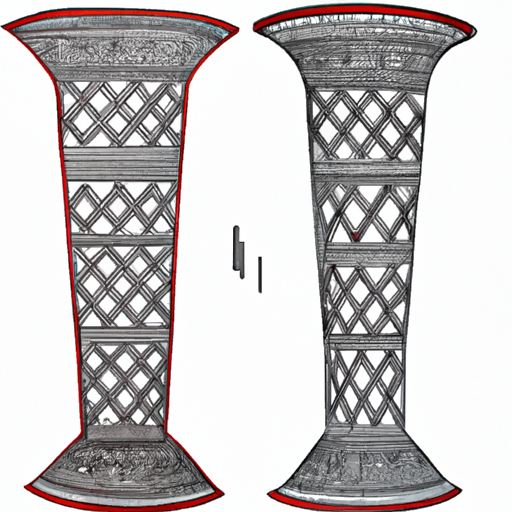
Example of visual style of Arabesque

Arabesque

Arabesque is a highly decorative and intricate visual style that emerged during the Islamic Golden Age in the 8th century and reached its peak in popularity during the Renaissance. It is characterized by the extensive use of flowing and interlacing patterns inspired by nature, such as plants, flowers, and geometric shapes. Arabesque became famous for its symmetrical designs, precise craftsmanship, and intricate details that were often seen in architecture, textiles, ceramics, and manuscripts.

View StyleExplore Style
Example of visual style of Baroque Sculpture

Baroque Sculpture

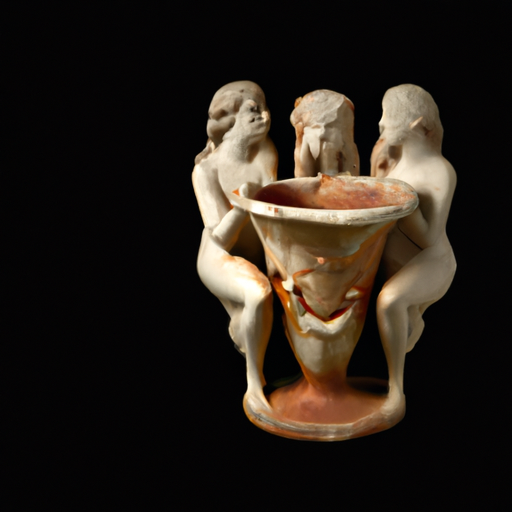
Baroque Sculpture is a highly dramatic and theatrical style that emerged in Europe during the 17th century. It reached its peak between the late 16th and early 18th centuries. This style is known for its ornate and extravagant aesthetic, characterized by exaggerated gestures, dynamic compositions, and intricate details. Baroque sculptures often portray intense emotions, religious subjects, and a sense of movement. The use of light and shadow, known as chiaroscuro, adds depth and drama to the sculptures. Baroque Sculpture became famous for its grandeur and opulence, as well as its ability to evoke strong emotional responses from viewers.

View StyleExplore Style
Example of visual style of Camille Rose Garcia

Camille Rose Garcia

Camille Rose Garcia is known for her dark and whimsical style, often depicting surreal and fantastical scenes with a combination of innocence and darkness. Her art is heavily influenced by fairy tales, vintage cartoons, and popular culture. Garcia gained recognition in the early 2000s, particularly with her illustrations for the book "Alice's Adventures in Wonderland". Her unique style, characterized by vibrant colors, intricate details, and juxtaposition of elements, has since gained a cult following.

View StyleExplore Style
Example of visual style of Charles Eisen

Charles Eisen

Charles Eisen was a French painter and engraver, known for his delicate and graceful Rococo style. Born in 1720, Eisen became famous during the mid-18th century. His intricate details, elegant compositions, and use of soft colors made him a prominent figure in the Rococo movement. Eisen was particularly known for his illustrations of literature, including the famous works of Voltaire. His style captured the spirit of the Rococo era, characterized by ornate and whimsical designs, and became highly influential during this time.

View StyleExplore Style
Example of visual style of Chiho Aoshima

Chiho Aoshima

Chiho Aoshima is a Japanese contemporary artist known for her vibrant and surreal digital art. Her style emerged in the early 2000s and gained popularity for its unique combination of traditional Japanese art influences, manga aesthetics, and digital technology. Aoshima's works often depict dreamlike landscapes populated by fantastical creatures and young female characters. Her pieces are characterized by intricate details, bold use of colors, and a distinctive blend of traditional and modern elements. Aoshima's art gained international recognition and has been exhibited in numerous galleries and museums worldwide.

View StyleExplore Style
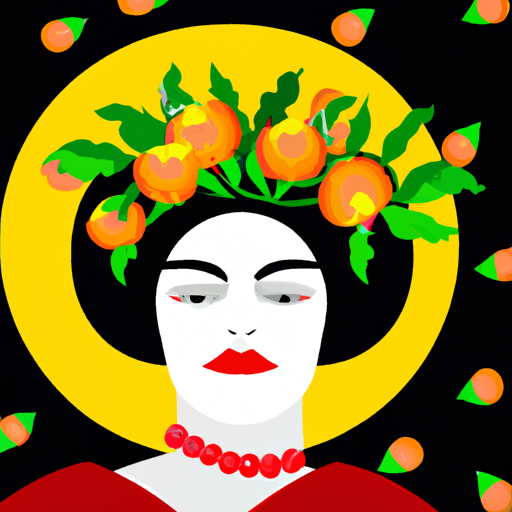
Example of visual style of Diego Rivera

Diego Rivera

Diego Rivera was a Mexican painter known for his large murals that depicted social and political themes. Active during the early 20th century, Rivera's style was characterized by bold and vibrant colors, intricate details, and a strong emphasis on storytelling. His art often portrayed the struggles of the working class and indigenous peoples, as well as the history and culture of Mexico. Rivera's powerful and monumental murals made him famous, showcasing his talent in capturing the essence of Mexican identity.

View StyleExplore Style
Example of visual style of Digital Illustration

Digital Illustration

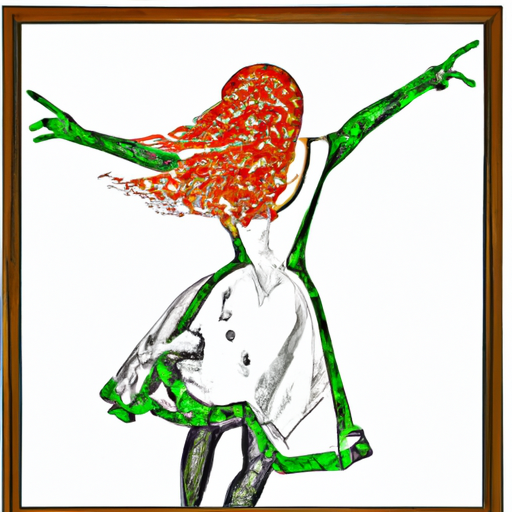
Digital Illustration is a style of creating artwork using digital tools and software. It gained popularity in the late 20th century with the advancement of computer technology and graphic design software. This style allowed artists to create illustrations with precise lines, vibrant colors, and intricate details. Digital Illustration is famous for its versatility and ability to blend traditional art techniques with digital elements. It has revolutionized the field of illustration by providing artists with new creative possibilities and faster production time.

View StyleExplore Style
Example of visual style of Etruscan Art

Etruscan Art

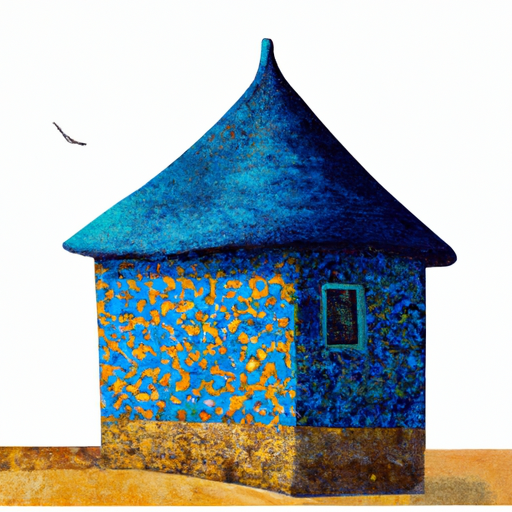
Etruscan Art refers to the visual art created by the ancient Etruscan civilization in central Italy between the 8th and 3rd centuries BCE. Known for its distinctive style and techniques, Etruscan Art became famous for its exceptional metalworking skills, most notably in bronze. The art primarily focused on depicting daily life, religious rituals, and mythology of the Etruscan people. The use of vibrant colors, intricate details, and naturalistic elements are characteristic of this style.

View StyleExplore Style
Example of visual style of Fairy Tale Illustration

Fairy Tale Illustration

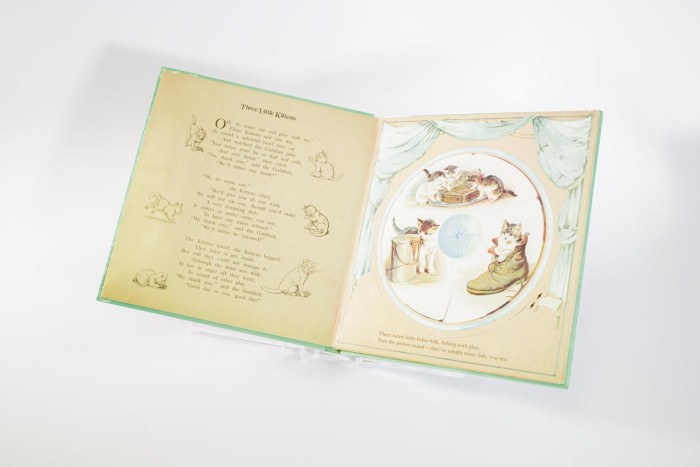
Fairy Tale Illustration is a visual style that emerged in the late 19th century and early 20th century, particularly during the Golden Age of Illustration. It became famous for its whimsical and enchanting portrayal of characters and scenes from fairy tales, folklore, and fantasy literature. Artists used rich and vibrant colors, intricate details, and a dreamlike atmosphere to bring these fantastical stories to life. Known for its imaginative and narrative-driven approach, Fairy Tale Illustration captured the hearts and imaginations of readers worldwide, becoming an integral part of the visual representation of fairy tales.

View StyleExplore Style
Example of visual style of Francois Boucher

Francois Boucher

Francois Boucher was a French painter during the Rococo period in the mid-18th century. Known for his delicate and graceful style, Boucher's works often depicted mythological and romantic themes. His art became famous for its lush colors, intricate details, and sensual compositions. Boucher was the favorite painter of Madame de Pompadour, the mistress of King Louis XV, which further elevated his status and popularity. His style was influential in defining the Rococo aesthetic and capturing the essence of the era.

View StyleExplore Style
Example of visual style of Frank R Paul

Frank R Paul

Frank R. Paul was an American science fiction illustrator who played a significant role in shaping the visual style of early science fiction. His work became famous in the early 20th century, particularly from the 1910s to the 1940s. Known as the 'father of science fiction illustration', Paul's art featured imaginative and futuristic landscapes, spacecraft, robots, and aliens. His use of vibrant colors and intricate details brought his visions to life, captivating readers and setting the stage for modern science fiction visual storytelling.

View StyleExplore Style
Example of visual style of Gabriel Ba

Gabriel Ba

Gabriel Ba is a Brazilian comic book artist known for his unique visual style that merges realism with expressiveness. Since the early 2000s, Ba's work has gained recognition for its dynamic linework, intricate details, and ability to convey emotions through his characters' facial expressions. His use of vibrant colors and atmospheric lighting adds depth and atmosphere to his illustrations. Ba rose to fame in collaboration with his twin brother, Fabio Moon, creating critically acclaimed comics like "The Umbrella Academy". His distinctive style has inspired a generation of comic book artists.

View StyleExplore Style
Example of visual style of Georges Jacob

Georges Jacob

Georges Jacob was a French furniture maker who worked during the late 18th and early 19th centuries. He is famous for his elegant and refined furniture designs, which were characterized by delicate lines, intricate details, and lavish ornamentation. Jacob's style reached its peak during the reign of Louis XVI and continued to thrive during the Napoleonic era. His furniture pieces were often made of mahogany, walnut, or oak and were known for their exceptional craftsmanship and luxurious finishes.

View StyleExplore Style
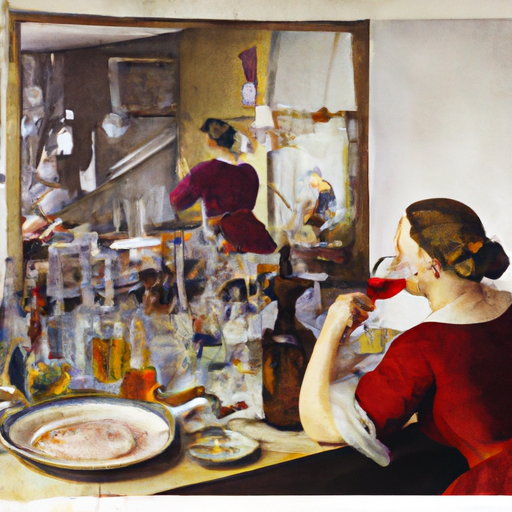
Example of visual style of Giorgio Vasari

Giorgio Vasari

Giorgio Vasari was an Italian painter and architect who lived from 1511 to 1574. He is best known for writing 'Le Vite delle più eccellenti pittori, scultori, e architettori' (The Lives of the Most Excellent Painters, Sculptors, and Architects), which is considered a key resource for art history. Vasari's style is characterized by his use of vibrant colors, dramatic compositions, and a strong focus on human emotion. His works often depict historical and mythological scenes, incorporating intricate details and elaborate ornamentation. Vasari's contributions to art historiography and his unique artistic techniques have made him a prominent figure in Renaissance art.

View StyleExplore Style
Home