StylopediaStylopedia

Intricate detailing styles on Stylopedia

A visual encyclopedia of intricate detailing styles – use as prompt inspiration for Midjourney, Gemini, or ChatGPT AI when making intricate detailing images

Example of visual style of Adrian Alphona

Adrian Alphona

Adrian Alphona is a Canadian comic book artist known for his distinctive and whimsical visual style. His work gained prominence in the early 2000s, particularly with the launch of the comic series Runaways in 2003. Alphona's art is characterized by its lively and expressive character designs, intricate detailing, and a blend of both realistic and cartoonish elements. His use of dynamic poses, exaggerated expressions, and playful storytelling techniques has made his style a favorite among readers and has contributed to the success and popularity of the comics he has worked on.

View StyleExplore Style
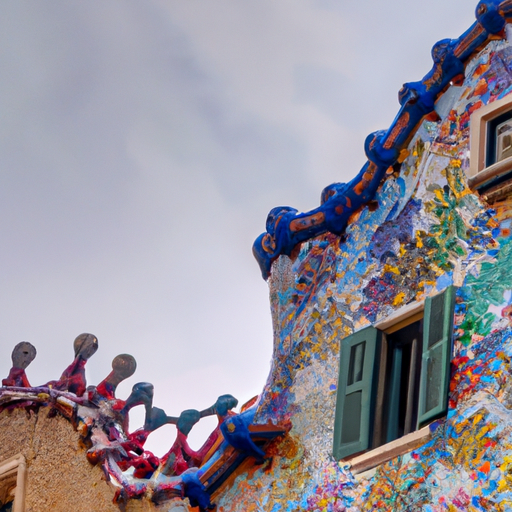
Example of visual style of Antonio Gaudi

Antonio Gaudi

Antonio Gaudi is known for his unique and innovative architectural style that emerged in the late 19th and early 20th centuries. His most famous works, such as the Sagrada Familia and Park Güell in Barcelona, showcase his distinctive use of organic shapes, intricate detailing, and incorporation of natural elements. Gaudi's style is characterized by its fluidity, mosaic-like ornamentation, and incorporation of religious symbolism. His work remains famous for its visionary approach to architecture, which challenged traditional concepts and pushed the boundaries of design.

View StyleExplore Style
Example of visual style of Christian Dior

Christian Dior

Christian Dior is a French fashion house known for its luxurious and elegant visual style. The style emerged in the late 1940s and became famous with the introduction of Dior's 'New Look' in 1947. The 'New Look' was characterized by a cinched waist, full skirt, and emphasized femininity. It revolutionized post-war fashion and brought a sense of opulence back to the industry. Dior's designs were often elaborate, with intricate detailing, luxurious fabrics, and a focus on tailored silhouettes.

View StyleExplore Style
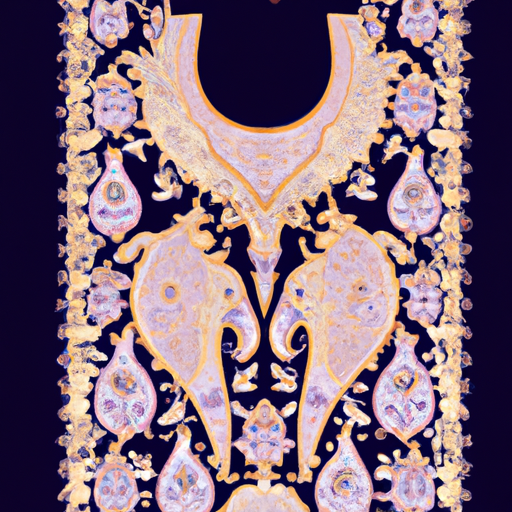
Example of visual style of Elie Saab

Elie Saab

Elie Saab is a renowned Lebanese fashion designer known for his exquisite couture and red carpet gowns. His style is characterized by feminine elegance, intricate detailing, and a modern yet timeless aesthetic. Elie Saab gained worldwide recognition in 2002 when Halle Berry wore his burgundy gown to accept the Academy Award for Best Actress, making him a go-to designer for Hollywood celebrities. His designs often feature luxurious fabrics, delicate embroidery, and flowing silhouettes, elevating any woman who wears them to a regal status.

View StyleExplore Style
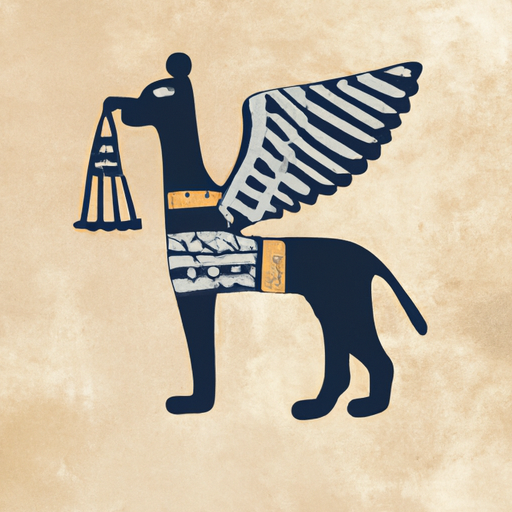
Example of visual style of Mythological Art

Mythological Art

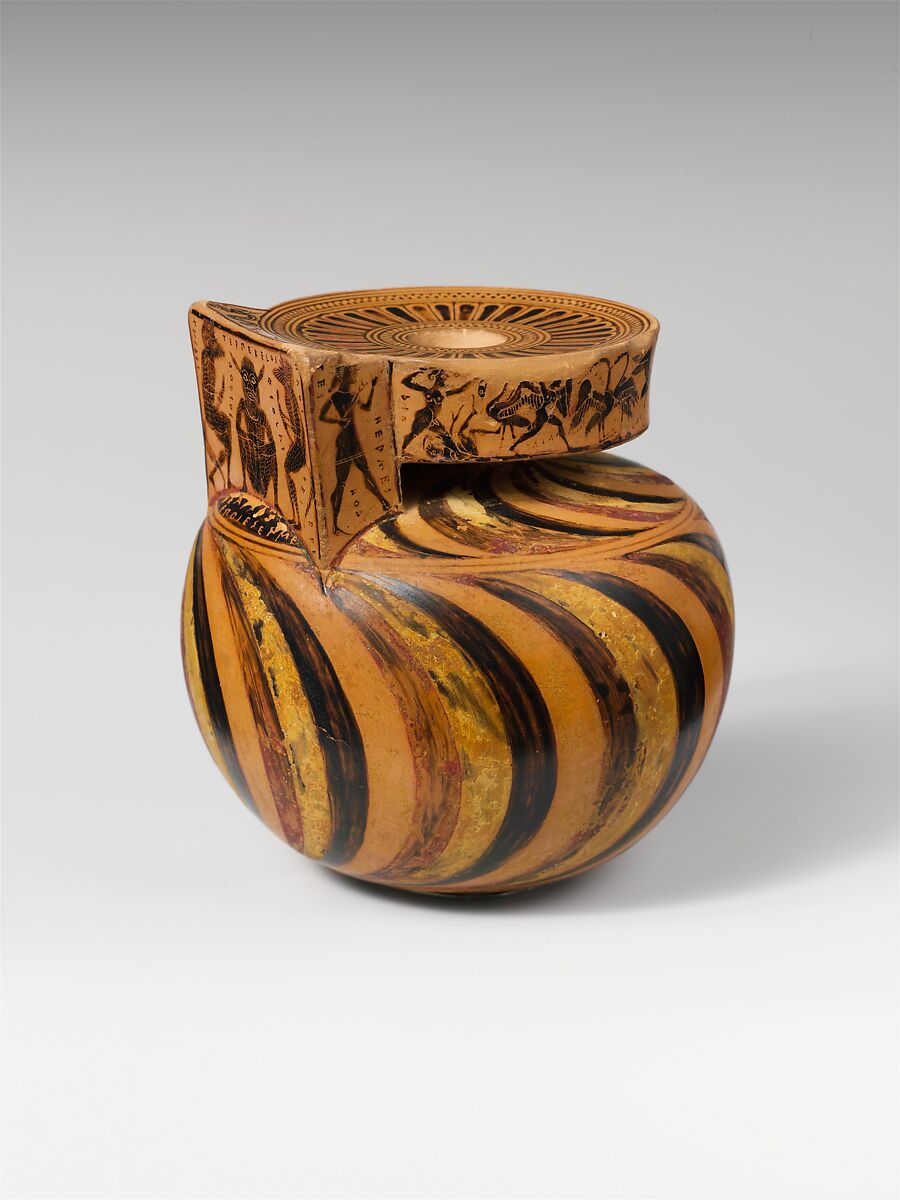
Mythological Art is a visual style that emerged in ancient civilizations and later reemerged during the Renaissance and Neoclassical periods. It depicts mythological themes and figures from various cultures, including Greek, Roman, Egyptian, and Norse mythologies. Notable years for this style include the ancient Greek and Roman periods, as well as the revival during the 15th to 19th centuries. Mythological Art became famous for its intricate detailing, vibrant colors, and grandiose compositions. It often portrays gods, goddesses, heroes, and supernatural creatures, showcasing epic narratives and symbolic representations.

View StyleExplore Style
Example of visual style of Riccardo Tisci

Riccardo Tisci

Riccardo Tisci's visual style is known for its blend of high fashion and streetwear, combining edgy and bold elements with a luxurious and refined aesthetic. Tisci rose to fame during his tenure as the creative director at Givenchy from 2005 to 2017, where he reinvented the brand with his dark and sensual designs. He is renowned for his use of graphic prints, intricate detailing, and a strong focus on tailoring and construction. Tisci's style has also been influenced by his multicultural background, incorporating elements of both his Italian and African heritage.

View StyleExplore Style
Example of visual style of Richard Rawlings

Richard Rawlings

The visual style of Richard Rawlings is characterized by bold, edgy and contemporary designs. It became famous in the late 2000s when Rawlings gained popularity as the host of the television show 'Fast N' Loud'. His style is heavily influenced by automotive culture, featuring vibrant colors, sleek lines, and intricate detailing. Rawlings' designs often incorporate elements of speed, power, and innovation, reflecting his passion for custom cars and motorcycles.

View StyleExplore Style
Example of visual style of Russian Icon Painting

Russian Icon Painting

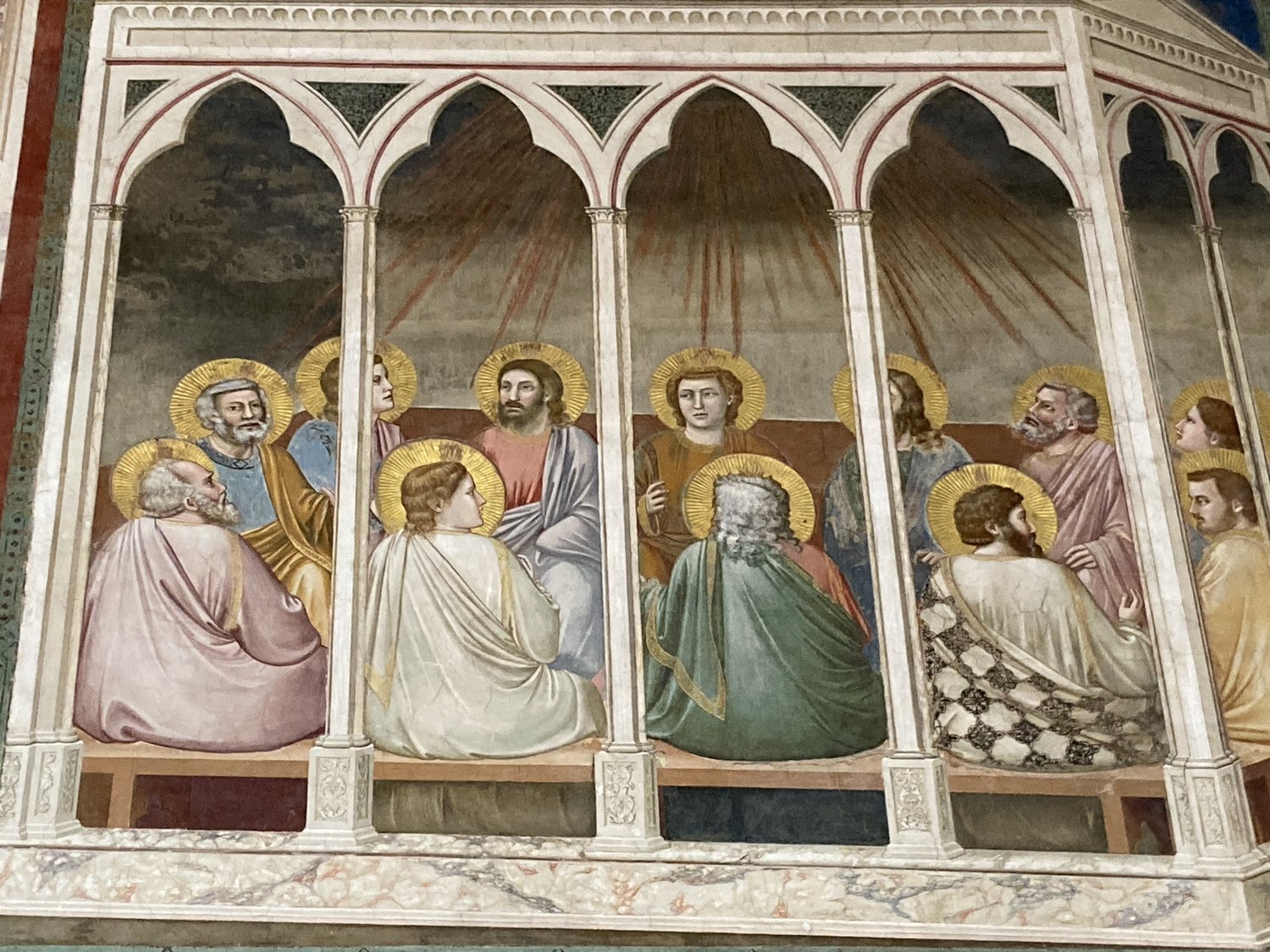
Russian Icon Painting is a distinctive and highly revered style of religious painting that emerged in Russia during the Byzantine period and reached its peak during the 15th and 16th centuries. These icons are deeply rooted in the Eastern Orthodox Christian tradition and are characterized by their spiritual and mystical quality. The use of rich colors, intricate detailing, and gold leaf embellishments are important features of this style. Russian Icon Painting is famous for its portrayal of religious figures and scenes, including saints, biblical stories, and the Virgin Mary. This art form served as a primary tool for religious instruction, meditation, and spiritual devotion.

View StyleExplore Style
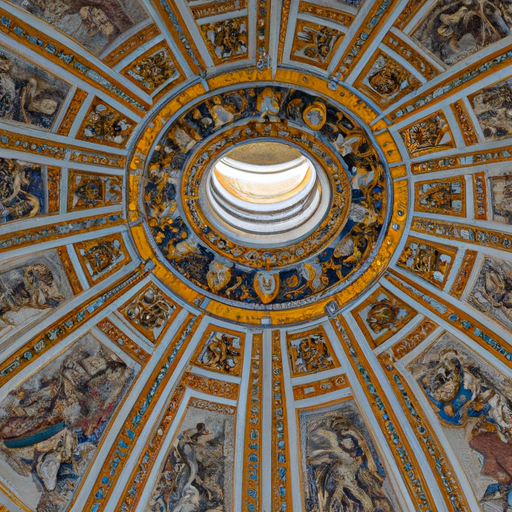
Example of visual style of St Peters Basilica

St Peters Basilica

St Peters Basilica is a visual style that emerged in the Renaissance period in Italy. It is characterized by its grandeur, opulence, and intricate detailing. The style became famous during the 16th century when it was designed and constructed by prominent architects such as Donato Bramante, Michelangelo, Carlo Maderno, and Gian Lorenzo Bernini. St Peters Basilica is known for its massive size, imposing dome, and rich decoration, reflecting the magnificence and power of the Catholic Church.

View StyleExplore Style
Example of visual style of Victor Horta

Victor Horta

Victor Horta was an influential Belgian architect and designer known for his Art Nouveau style, particularly in the late 19th and early 20th centuries. Horta's style was characterized by organic forms, intricate detailing, and the integration of decorative elements into the structure itself. He is famous for his innovative use of iron and glass in architectural designs, as well as his creation of open, light-filled spaces. Horta's work marked a new era in architecture, combining functionality and aesthetics to create harmonious and visually stunning spaces.

View StyleExplore Style
Home