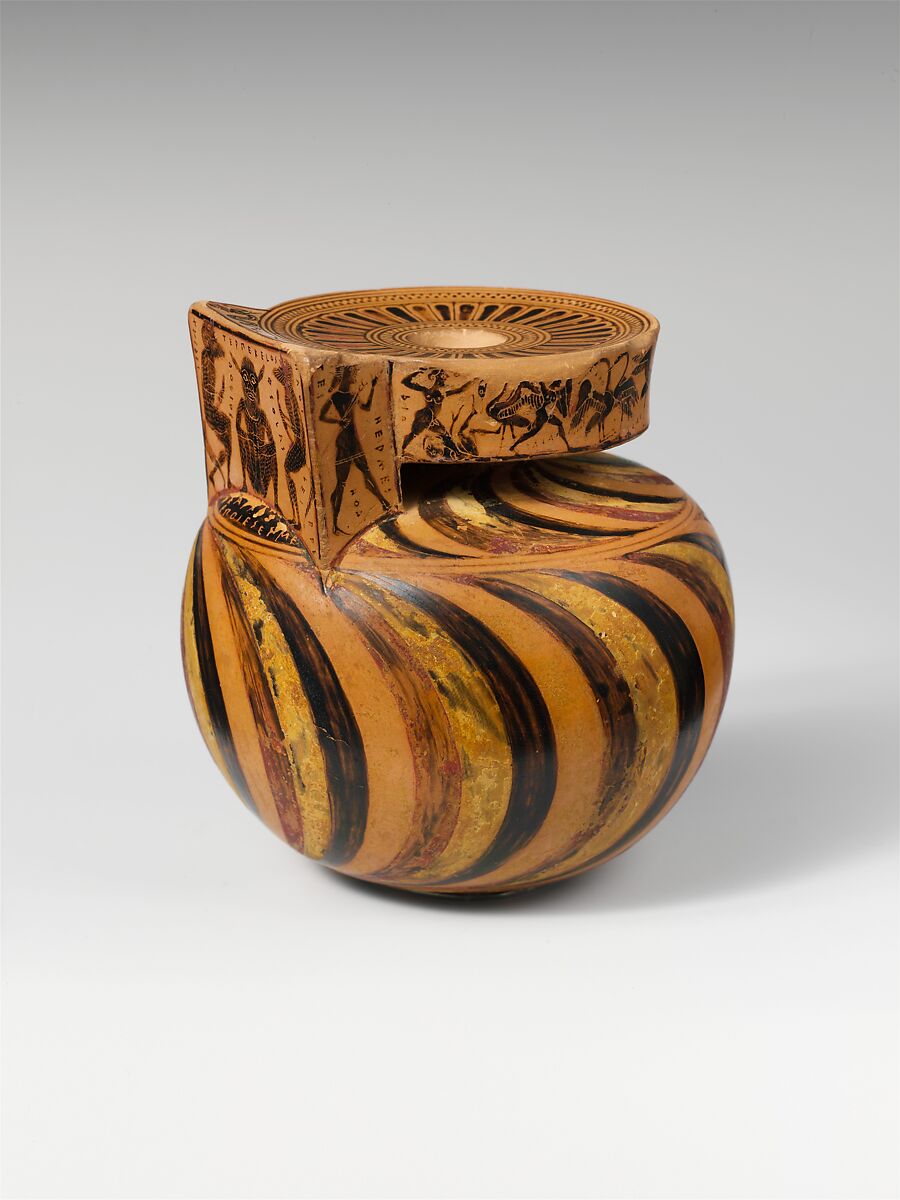
Andokides
Andokides is a style of ancient Greek pottery that emerged in Athens around 530 BC. Known for its black-figure technique, Andokides pottery was characterized by intricate designs and narrative scenes.
View StyleExplore Style Stylopedia
A visual encyclopedia of intricate designs styles – use as prompt inspiration for Midjourney, Gemini, or ChatGPT AI when making intricate designs images
Andokides is a style of ancient Greek pottery that emerged in Athens around 530 BC. Known for its black-figure technique, Andokides pottery was characterized by intricate designs and narrative scenes.
View StyleExplore Style
Art Nouveau was a decorative style of art and architecture that emerged in the late 19th century and was popular until around 1910. Known for its flowing lines, organic forms, and ornamental details, Art Nouveau was inspired by natural elements such as plants and flowers. This style was famous for its intricate designs and use of new materials like iron, glass, and ceramics.
View StyleExplore Style
Aztec art was created by the Mexica civilization in ancient Mesoamerica between the 14th and 16th centuries. Known for intricate geometric designs, bold colors, and symbolic representations of gods and nature.
View StyleExplore Style
Body painting is a form of art where the human body serves as the canvas and is painted with intricate designs and patterns. It has been used for thousands of years in various cultures as a form of expression, celebration, and storytelling.
View StyleExplore Style
Chinese Porcelain is a style of ceramic art that originated in China around the 7th century. It reached its peak during the Ming Dynasty (1368-1644) and the Qing Dynasty (1644-1912). Chinese Porcelain became famous for its delicate craftsmanship, intricate designs, and vibrant blue and white color palette. It gained international recognition and was highly sought after for its beauty and quality.
View StyleExplore Style
Coraline is a stop-motion animation film released in 2009, directed by Henry Selick. The visual style of Coraline is dark, whimsical, and surreal, with a strong emphasis on texture and detail. It is known for its use of rich and vibrant colors, intricate set designs, and intricate character designs. The style of Coraline, with its combination of darkness and fantasy, has made it famous as a unique and visually stunning animated film.
View StyleExplore Style
Delftware is a style of Dutch pottery originating in the 17th century and reaching its peak in the 18th century. It is characterized by intricate blue and white hand-painted designs on tin-glazed earthenware. Delftware gained popularity due to its resemblance to Chinese porcelain, which was highly esteemed at the time. The style became famous for its delicate craftsmanship, elaborate floral patterns, and scenic motifs depicting landscapes, seascapes, and cityscapes. Delftware was widely exported and became synonymous with Dutch ceramic production.
View StyleExplore Style
Eduardo Kobra is known for his vibrant and colorful graffiti murals that blend realism with abstract patterns. His style emerged in the early 2010s and gained widespread recognition for its use of bold colors, intricate designs, and larger-than-life portraits. Kobra became famous for his monumental murals which often depict historical figures, cultural icons, and global issues. He is particularly acclaimed for his ability to capture the essence and emotion of his subjects, creating visually stunning and thought-provoking artworks. Kobra's unique style has brought a fresh and contemporary approach to street art, transforming urban landscapes with his iconic and visually striking murals.
View StyleExplore Style
The Emperor Kangxi style was prominent during the Kangxi reign of the Qing dynasty in China (1661-1722). Known for its intricate designs, vibrant colors, and use of traditional Chinese motifs, this style became famous for its influence on Chinese art and culture.
View StyleExplore Style
Escaflowne visual style is known for its blend of fantasy, steampunk, and mecha elements, popularized by the anime series 'The Vision of Escaflowne' which aired in 1996. Bold colors, intricate designs, and fantastical landscapes characterize this iconic style.
View StyleExplore Style
Goryeo Celadon Artists were known for their exquisite celadon ceramics in Korea during the Goryeo dynasty (918-1392). Their pieces were famous for their intricate designs and beautiful celadon glaze.
View StyleExplore Style
Goryeo potters were renowned for their celadon pottery during the Goryeo dynasty in Korea (918–1392). These pieces are characterized by their jade-green color, intricate designs, and use of inlay techniques.
View StyleExplore Style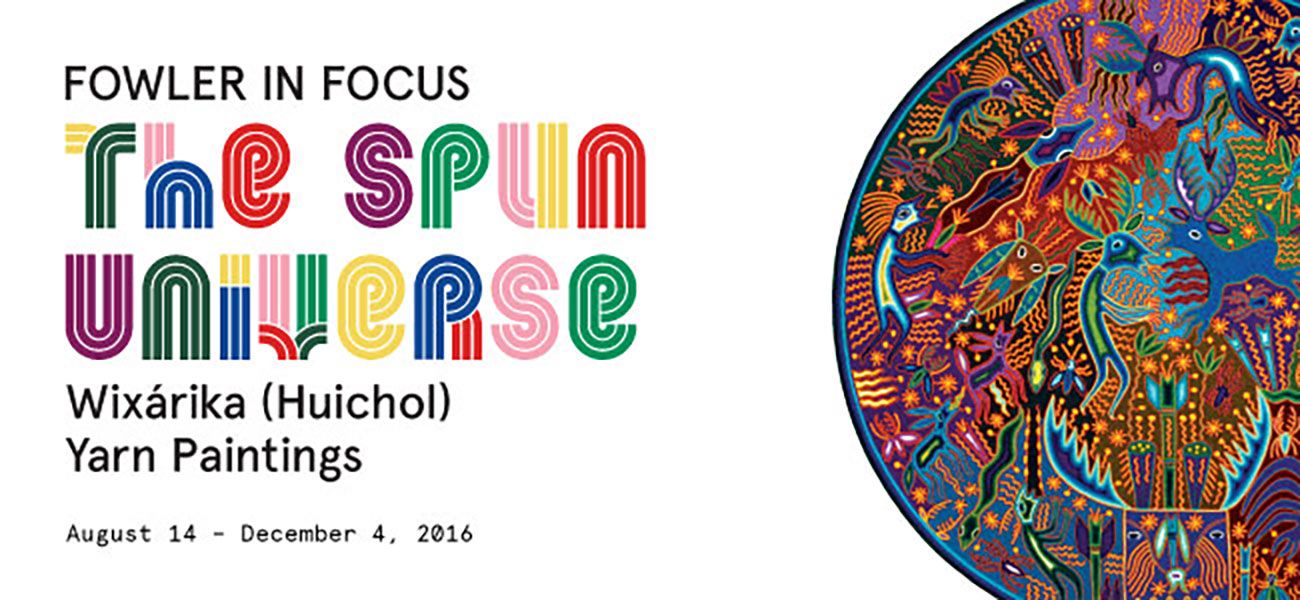
Huichol Yarn Paintings are a traditional form of indigenous Mexican art created by the Huichol people. Typically featuring vibrant colors and intricate geometric designs, these paintings are made by carefully laying yarn onto a surface coated with beeswax or resin. This art form gained international recognition in the mid-20th century.
View StyleExplore Style
Insular Art, also known as Hiberno-Saxon art, was a style that flourished in the British Isles during the early Middle Ages, particularly from the 6th to the 9th century. It was characterized by intricate designs, intricate interlacing patterns, and highly detailed illustrations of religious texts. Insular Art is famous for its illuminated manuscripts like the Book of Kells and the Lindisfarne Gospels, which were meticulously decorated with vibrant colors and ornate decorations. This style achieved its peak during the Golden Age of Northumbria in the 7th and 8th centuries.
View StyleExplore Style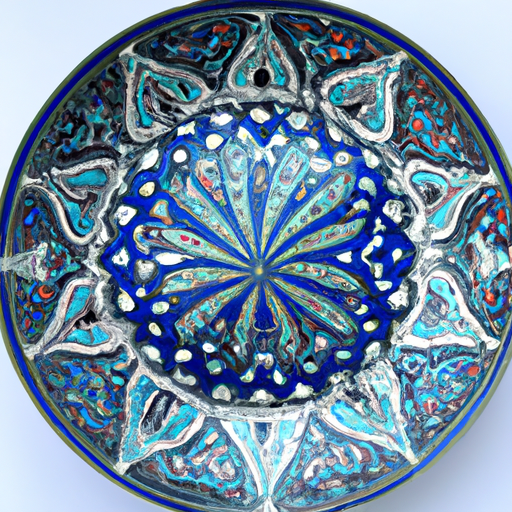
Iznik Pottery is a style of ceramic art that originated in the town of Iznik, Turkey, during the 15th and 16th centuries. It became famous for its vibrant colors and intricate designs. The pottery featured a combination of floral, geometric, and calligraphic motifs, often in shades of blue, green, and red. Iznik Pottery gained popularity when it started producing decorative tiles and vessels for the Ottoman Empire, particularly during the reign of Sultan Suleiman the Magnificent. The exquisite craftsmanship, unique patterns, and rich cultural history contribute to its fame even today.
View StyleExplore Style
Jingdezhen Porcelain is a style of Chinese porcelain produced in Jingdezhen, Jiangxi province, China, known for its exquisite craftsmanship and intricate designs. Jingdezhen Porcelain has been famous for centuries, dating back to the Ming dynasty (1368–1644) and continuing through to the present day.
View StyleExplore Style
The Lindisfarne Gospels, created around 700 AD, are known for their intricate illuminations, vibrant colors, and intricate designs inspired by Celtic and Northern European art.
View StyleExplore Style
Lowrider Culture emerged in the 1940s-50s in Mexican-American communities in California, characterized by customized cars with lowered suspensions, unique paint jobs, and hydraulics. It gained fame for its vibrant colors, intricate designs, and representation of Chicano identity.
View StyleExplore Style
Madhubani Art is a traditional folk art form originating from the Mithila region in India. It dates back to ancient times and is characterized by intricate designs, vibrant colors, and themes inspired by nature, mythology, and Hindu deities.
View StyleExplore Style
Madlax Studio is known for its distinctive use of bold colors, strong contrast, and intricate designs in anime productions during the early 2000s. The studio gained fame for its visually stunning and emotionally intense storytelling.
View StyleExplore Style
Maria Martinez is a renowned Native American potter known for her black-on-black pottery, which gained popularity in the early 20th century. Her style is characterized by intricate designs and precise polychrome techniques.
View StyleExplore Style
Mecha Anime is a visual style that is characterized by giant robotic machines, known as mecha, as a prominent feature. It originated in Japan and became popular in the late 1970s and 1980s. Mecha Anime gained fame through its intricate and detailed designs of these machines, often piloted by human characters. The style became famous for its thrilling action sequences, futuristic settings, and exploration of moral and ethical dilemmas. Mecha Anime has since become a staple in Japanese animation, inspiring numerous series, films, and video games.
View StyleExplore Style
Ming Dynasty Art flourished in China during the 14th to 17th centuries, known for its vibrant colors, intricate designs, and detailed brushwork. Famous for its porcelain, paintings, and architecture.
View StyleExplore Style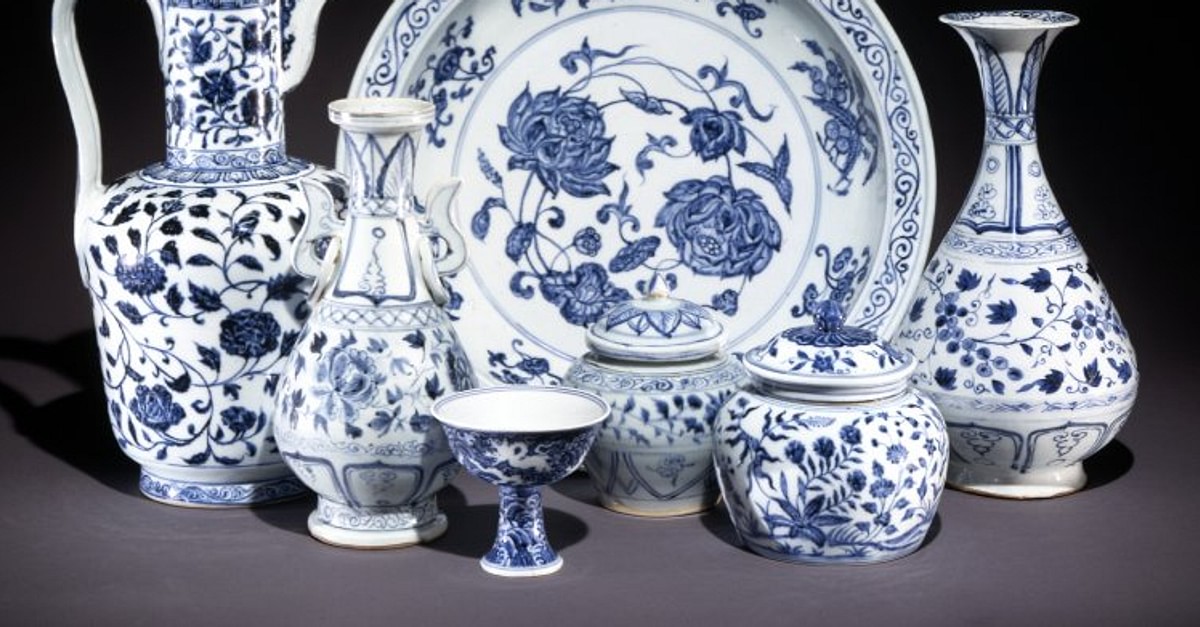
Ming Dynasty Porcelain refers to the distinctive blue and white ceramic ware produced in China during the Ming Dynasty (1368-1644). Known for its intricate designs, fine craftsmanship, and use of cobalt blue pigment, this style became famous for its quality and beauty.
View StyleExplore Style
Monks Of Iona, also known as Insular art, is a visual style that emerged during the Early Medieval period, around the 6th to 9th centuries. It originated in the monastic communities of the British Isles, particularly on the island of Iona, hence the name. This style is characterized by intricate, highly detailed and abstract designs, often found in illuminated manuscripts and metalwork. Monks Of Iona became famous for its rich symbolism, elaborate interlacing patterns, and vibrant colors, which were achieved using natural pigments. It played a significant role in preserving the artistic traditions of the Celtic cultures in the face of Viking invasions.
View StyleExplore Style
The Nampeyo style is a traditional Hopi pottery style originating from the late 1800s to early 1900s. It is known for its intricate designs inspired by Hopi culture and symbolism.
View StyleExplore Style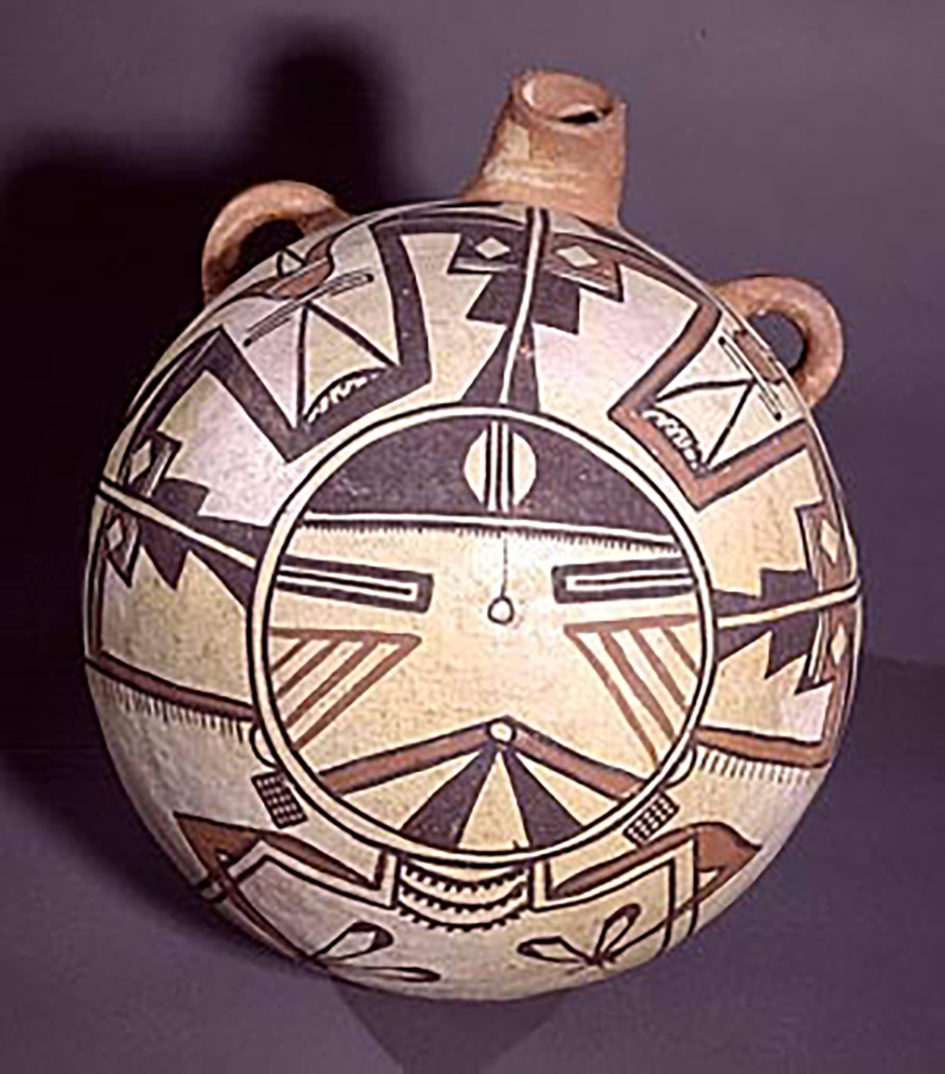
Nampeyo Pottery is a style of pottery created by the Hopi-Tewa artist Nampeyo in the late 19th and early 20th centuries. Known for its intricate designs inspired by ancient Hopi pottery, Nampeyo Pottery gained fame for its unique blend of traditional and modern elements.
View StyleExplore Style
Nathan Mccree's visual style is characterized by detailed and emotive compositions, often incorporating rich color palettes and intricate designs. He is best known for his work in composing music for the Tomb Raider video game series.
View StyleExplore Style
Opus Anglicanum, or 'English work', refers to the high-quality embroidered textiles produced in England during the late 12th to mid-14th centuries. Known for its intricate designs, vibrant colors, and use of gold and silver threads, Opus Anglicanum gained fame for its exquisite craftsmanship and was highly sought after by royalty and ecclesiastical dignitaries.
View StyleExplore Style
Paper Quilling is a decorative art form that involves rolling and shaping strips of paper into various shapes and designs. It gained popularity in the 18th century and experienced a resurgence in the 20th century. Paper Quilling is famous for its intricate and delicate designs, created by arranging multiple paper coils to form intricate patterns and motifs.
View StyleExplore Style
Pueblo Pottery is a style of Native American pottery made by the Pueblo people of the Southwest United States. It is known for its intricate designs, geometric patterns, and earthy colors. Pueblo Pottery has been created for centuries and continues to be a significant art form in Pueblo culture.
View StyleExplore Style
Qing Dynasty Ceramics refers to the ceramics produced during the Qing Dynasty (1644-1912) in China. Known for its vibrant colors, intricate designs, and use of high-quality materials, Qing Dynasty Ceramics are highly prized for their cultural significance and craftsmanship.
View StyleExplore Style
Quilling is a paper art technique that involves rolling, shaping, and gluing strips of paper together to create intricate designs. It became popular in the 18th century and gained recognition in the Victorian era for its delicate and ornamental nature. The technique involves using quilling tools to shape the paper strips into various forms such as coils, scrolls, and teardrops, which are then arranged to make intricate patterns and designs. Quilling is known for its use in decorative objects, greeting cards, and framed artwork.
View StyleExplore Style
Rani Abbakka Chowta visual style is a blend of traditional South Indian motifs and patterns with a contemporary twist. This style became famous in the 16th century and is known for its intricate designs and vibrant color palette.
View StyleExplore Style
Rococo was a highly ornamental and theatrical style of art that emerged in the early 18th century, with an emphasis on pastel colors, intricate designs, and playful themes. It became famous for its light-hearted and whimsical depictions of nature, love, and beauty.
View StyleExplore Style
Rosemaling is a traditional Norwegian style of decorative painting characterized by floral motifs, scrollwork, and geometric patterns. It became popular in the mid-18th century and is known for its vibrant colors and intricate designs.
View StyleExplore Style
Sarmatian Culture refers to the visual style and artistic expressions of the Sarmatians, a group of ancient Iranian nomadic peoples who flourished from the 5th century BC to the 4th century AD. The art of Sarmatian Culture was famous for its rich symbolism, intricate designs, and vibrant colors. It often depicted scenes from daily life, warfare, and mythology. The Sarmatians were known for their exceptional horsemanship, and this was a prominent theme in their art. With influences from various cultures they encountered, Sarmatian art became famous for its unique blend of Scythian, Hellenistic, and Asiatic styles, creating a visually captivating and distinct aesthetic.
View StyleExplore Style
Scythian Art refers to the artistic style developed by the ancient Scythians, a nomadic people who inhabited the Eurasian Steppe from the 7th to 3rd centuries BCE. This style is known for its intricate designs, depicting zoomorphic and anthropomorphic figures, as well as highly detailed metalwork and jewelry. Scythian Art became famous for its unique blend of Eastern and Western influences, creating a distinctive aesthetic that influenced neighboring cultures.
View StyleExplore Style
Studio Gainax is a Japanese animation studio known for its unique and unconventional visual style. Founded in 1984, Studio Gainax gained fame in the 1990s with the release of highly influential anime series such as Neon Genesis Evangelion. Their visual style is characterized by its distinct use of vibrant colors, intricate and detailed designs, dynamic and exaggerated poses, as well as a mix of traditional and experimental animation techniques. Studio Gainax's commitment to pushing the boundaries of storytelling and visual expression has made them an influential force in the anime industry.
View StyleExplore Style
The visual style of Suleiman The Magnificent is characterized by opulence, grandeur, and intricate designs. This style flourished during the Ottoman Empire under the rule of Suleiman I from 1520 to 1566, known for its luxurious textiles, elaborate architecture, and intricate tile and arabesque patterns.
View StyleExplore Style
The Thomas Minton style emerged in the late 18th century and became famous for its elaborate floral patterns and intricate designs on fine porcelain. Known for its elegant and detailed craftsmanship.
View StyleExplore Style
The visual style of Turkic Art encompasses intricate designs, vibrant colors, and geometric patterns. Originating in Central Asia in the 6th-12th centuries, it is known for its use of motifs such as stars, animals, and floral elements. Turkic Art gained fame for its influence on Islamic art and architecture.
View StyleExplore Style
William Butler Yeats' visual style is characterized by symbolic imagery, intricate designs, and mystical themes. Influenced by Celtic folklore and mysticism, Yeats' work became famous in the late 19th and early 20th centuries for its dreamlike quality and intricate details.
View StyleExplore Style
The Yongle Emperor style was prevalent during the Ming dynasty in China from 1402 to 1424. Known for its intricate designs, vibrant colors, and traditional motifs, this style became famous for its influence on Chinese art and culture.
View StyleExplore Style
Yuan Dynasty Ceramics, from 1271 to 1368, are known for their blue and white porcelain with intricate designs and motifs inspired by nature and traditional Chinese culture and history.
View StyleExplore Style
Yusuf Lateef was a renowned multi-instrumentalist, composer, and prominent figure in the jazz community. His visual style encompassed a mixture of geometric patterns, vibrant colors, and intricate designs, reflecting his eclectic musical influences. Lateef's unique visual aesthetic became famous in the 1960s and 1970s, influencing a generation of artists and designers.
View StyleExplore Style