
Buddhaghosa
Buddhaghosa is a visual style associated with Buddhist art of the 5th to 11th centuries in Southeast Asia, characterized by intricate carvings, serene expressions, and emphasis on spiritual themes.
View StyleExplore Style Stylopedia
A visual encyclopedia of intricate carvings styles – use as prompt inspiration for Midjourney, Gemini, or ChatGPT AI when making intricate carvings images
Buddhaghosa is a visual style associated with Buddhist art of the 5th to 11th centuries in Southeast Asia, characterized by intricate carvings, serene expressions, and emphasis on spiritual themes.
View StyleExplore Style
Buddhist Architecture is characterized by its use of intricate carvings, towering pagodas, and symmetrical layouts. Famous for its spiritual and peaceful aura, this style dates back to ancient times and has influenced architectural design across Asia.
View StyleExplore Style
Churrigueresque Style is a Spanish Baroque architectural style popular in the late 17th and early 18th centuries. Known for its elaborate ornamentation, exaggerated detailing, and intricate carvings.
View StyleExplore Style
Mayan architecture, developed between 2000 BC and 900 AD, is known for its impressive stone structures, intricate carvings, and religious significance.
View StyleExplore Style
Muiredach Mac Domhnaill was a famous Irish artist known for his intricate stone crosses. Active in the 9th century, his work featured detailed carvings of biblical scenes and Celtic motifs.
View StyleExplore Style
Mumtaz Mahal is a style inspired by the Mughal architecture period in India (1526–1857) characterized by intricate carvings, domes, minarets, and symmetrical designs. It gained popularity during the reign of Emperor Shah Jahan and is famous for the Taj Mahal.
View StyleExplore Style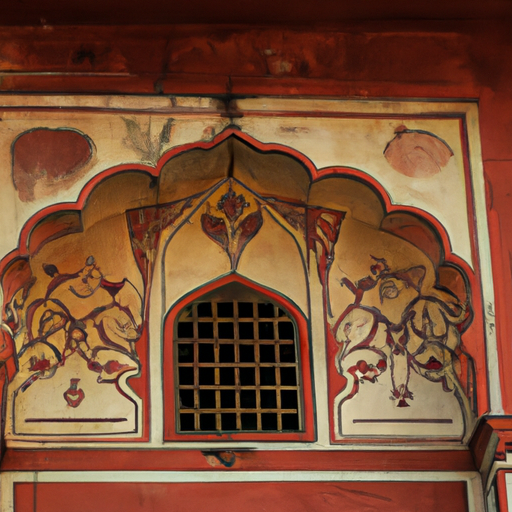
Red Fort style is known for its grandeur and architectural beauty seen in the Mughal era of the 17th century. This style is famous for its intricate carvings, domes, and use of red sandstone.
View StyleExplore Style
Thomas Chippendale was an 18th-century English cabinetmaker and furniture designer. He was highly influential in the development of the Neoclassical style. Chippendale's style is characterized by a fusion of Rococo and Gothic design elements, with intricate carvings, delicate curves, and ornate details. His furniture pieces were often made from mahogany and featured distinctive motifs such as cabriole legs, Chinese-style fretwork, and Gothic-inspired arches. Chippendale's designs became famous not only for their craftsmanship but also for their versatility, as he provided pattern books that allowed customers to choose from a wide range of designs and customize furniture to their preferences.
View StyleExplore Style