StylopediaStylopedia

Intimate styles on Stylopedia

A visual encyclopedia of intimate styles – use as prompt inspiration for Midjourney, Gemini, or ChatGPT AI when making intimate images

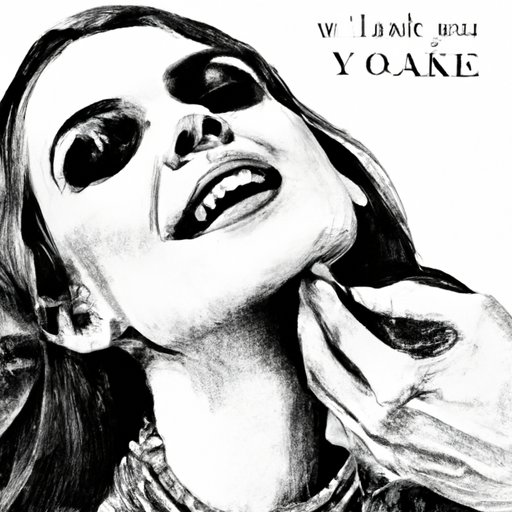
Example of visual style of Bruce Weber

Bruce Weber

Bruce Weber is a fashion and portrait photographer known for his iconic black-and-white images. He gained popularity in the 1980s and 1990s for his distinct style which blended fashion, documentary, and personal photography. Weber's imagery captures a sense of intimacy, often featuring youthful subjects in natural and spontaneous settings. His use of black-and-white photography creates a timeless and nostalgic aesthetic that has become his signature. Weber's work has been widely exhibited and published in fashion magazines, making him one of the most influential photographers of his time.

View StyleExplore Style
Example of visual style of Cassatt

Cassatt

Cassatt is a visual style developed by Mary Cassatt, an American Impressionist painter, during the late 19th and early 20th centuries. Known for her intimate and domestic scenes, Cassatt's style captured the lives of women and children. She experimented with light, color, and composition techniques, incorporating loose brushwork and a soft palette. Her famous works include 'The Child's Bath' (1893) and 'The Boating Party' (1893-1894). Cassatt's ability to convey tender emotions and capture fleeting moments made her famous in the Impressionist movement.

View StyleExplore Style
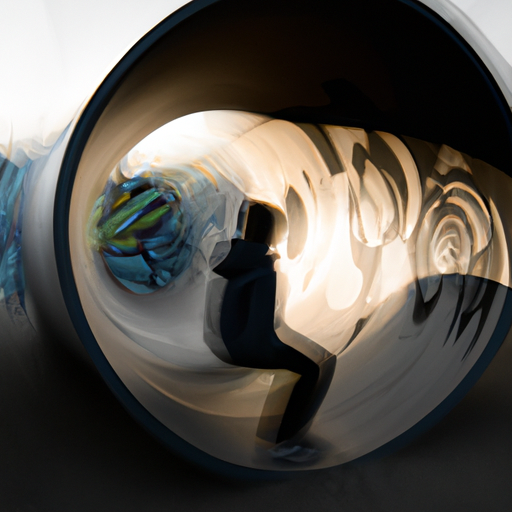
Example of visual style of Dennis Morris

Dennis Morris

Dennis Morris is a visual style that emerged in the 1970s and became famous for its raw and gritty aesthetic. Known for capturing the energy and rebellion of punk culture, Dennis Morris's iconic photographs showcased the music scene in London during the late 1970s. His candid and intimate portraits of influential punk musicians, such as Bob Marley, Sex Pistols, and The Clash, captured the essence of the countercultural movement. Morris's style is characterized by high contrast black and white imagery, capturing the raw emotions and intensity of the subjects.

View StyleExplore Style
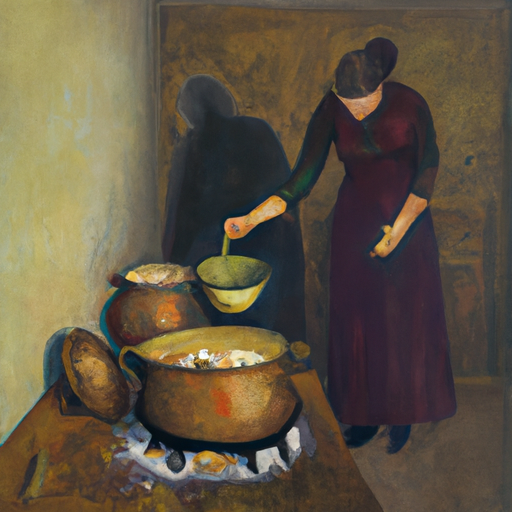
Example of visual style of Edouard Vuillard Domestic Space

Edouard Vuillard Domestic Space

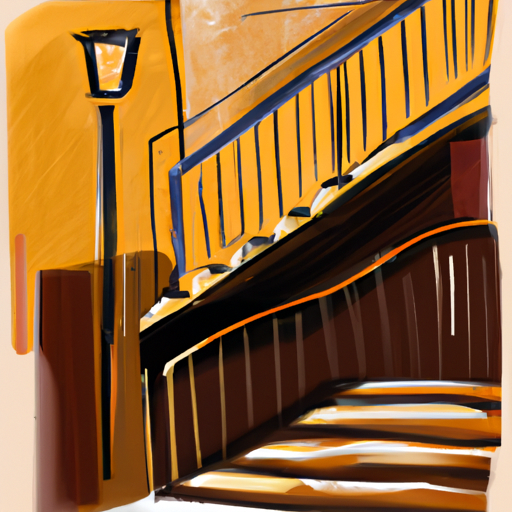
Edouard Vuillard Domestic Space is a visual style that emerged in the late 19th and early 20th centuries. It is characterized by its intimate and detailed portrayal of domestic interiors, often focusing on the everyday lives of bourgeois families and their surroundings. Vuillard's paintings gained popularity for their use of rich colors, intricate patterns, and the artist's unique ability to capture the atmosphere and mood of domestic settings.

View StyleExplore Style
Example of visual style of Elisabeth Vigee Le Brun

Elisabeth Vigee Le Brun

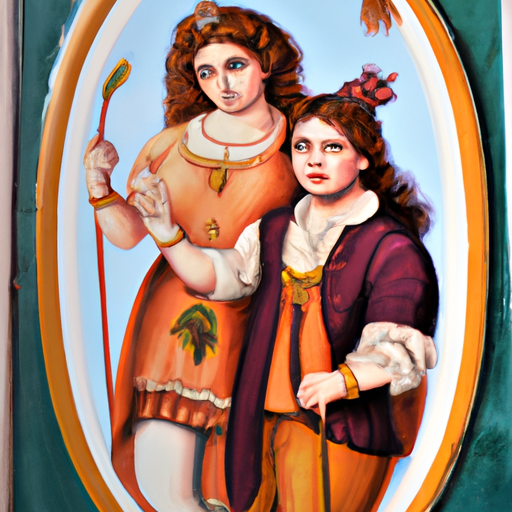
Elisabeth Vigee Le Brun was a prominent painter during the late 18th and early 19th centuries. Her style is characterized by delicate brushwork, soft colors, and a focus on capturing the personalities and emotions of her subjects. She is famous for her portraits of French royalty and aristocrats, which helped establish her as the official portraitist of Marie Antoinette. Vigee Le Brun's style became popular for its feminine sensitivity and intimate portrayal of individuals.

View StyleExplore Style
Example of visual style of Gus Van Sant

Gus Van Sant

Gus Van Sant's visual style is characterized by his naturalistic approach, focusing on capturing intimate and raw emotions of his characters. His style became famous in the 1990s with films like 'Drugstore Cowboy' (1989), 'My Own Private Idaho' (1991), and 'Good Will Hunting' (1997), which explored themes of alienation, identity, and human connection. Van Sant's use of long takes, handheld camera work, and his ability to create a sense of authenticity through improvisation and non-professional actors, became his distinct hallmark.

View StyleExplore Style
Example of visual style of Juergen Teller

Juergen Teller

Juergen Teller is a German photographer known for his raw, bold, and unconventional visual style. In his work, he often captures a sense of intimacy and spontaneity. Teller rose to fame in the 1990s with his provocative fashion photography, subverting traditional notions of beauty. He gained further recognition for his collaborations with esteemed fashion designers and his distinct approach to portrait photography. Teller's unfiltered and uninhibited style pushed the boundaries of fashion photography, making him a prominent figure in the industry.

View StyleExplore Style

Example of visual style of Lu Cong

Lu Cong

Lu Cong is a contemporary portrait artist known for his highly detailed and intimate oil paintings. His visual style is characterized by realistic yet dreamlike renderings of his subjects, capturing their expressions and emotions in a hauntingly beautiful manner. Lu Cong gained recognition in the early 2000s for his ability to evoke a sense of vulnerability and introspection in his portraits, often focusing on the eyes and facial features. His use of soft, muted colors and delicate brushstrokes adds a sense of ethereality and depth to his work. Lu Cong's unique style has garnered him a dedicated following and he has exhibited his paintings in galleries across the world.

View StyleExplore Style
Example of visual style of Nights Of Cabiria

Nights Of Cabiria

The visual style of Nights Of Cabiria, released in the year 1957, can be described as neorealist. Directed by Federico Fellini, this style became famous for its raw, gritty, and unvarnished depiction of the struggles and hardships of the main character, Cabiria. The style captures the essence of post-World War II Italy, highlighting the poverty-stricken neighborhoods, dilapidated houses, and unglamorous daily life. Through stark black and white cinematography, the style brings attention to the existential pain and emotional vulnerability of the characters, creating a deeply human and intimate atmosphere on screen.

View StyleExplore Style
Example of visual style of Roberto Rossellini

Roberto Rossellini

Roberto Rossellini was an Italian filmmaker whose visual style is characterized by a documentary-like approach and neorealist aesthetics. His style became famous in the years following World War II when he directed films such as 'Rome, Open City' (1945), 'Paisan' (1946), and 'Germany, Year Zero' (1948). Rossellini's style aimed to depict reality with a raw and unfiltered lens, often using non-professional actors and real locations to create a sense of authenticity. His films explored social and political issues, emphasizing the experiences of ordinary people. Rossellini's style is known for its realism, natural lighting, handheld camera work, and intimate and personal storytelling.

View StyleExplore Style
Home