

StylopediaStylopedia

Interactivity styles on Stylopedia

A visual encyclopedia of interactivity styles – use as prompt inspiration for Midjourney, Gemini, or ChatGPT AI when making interactivity images

Example of visual style of George Maciunas

George Maciunas

George Maciunas was an influential artist and founder of the Fluxus art movement in the 1960s. His visual style was characterized by a playful and experimental approach, often incorporating elements of performance art and interdisciplinary collaboration. Maciunas embraced a minimalist aesthetic, using simple and geometric forms with a focus on interactivity and audience participation. He is known for creating Fluxus events and festivals, which blurred the boundaries between art and life, challenging established art institutions and exploring new forms of artistic expression.

View StyleExplore Style

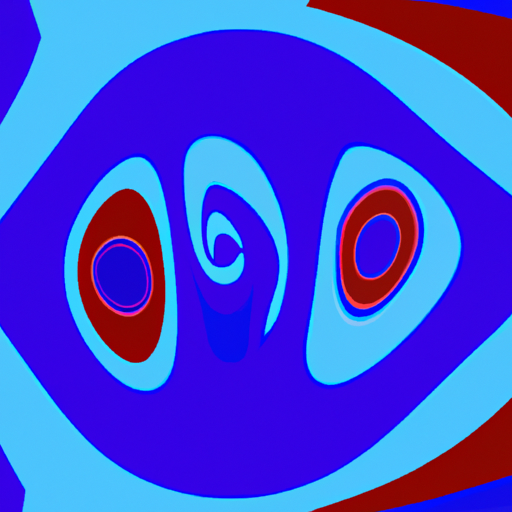
Example of visual style of Multimedia Art

Multimedia Art

Multimedia Art is a visual style that emerged in the late 20th century and continues to thrive today. It is characterized by the integration of multiple artistic mediums, such as painting, sculpture, photography, video, sound, and digital technology. Its origins can be traced back to the 1960s when artists started experimenting with combining different media to create immersive and interactive experiences. Multimedia Art gained popularity in the 1980s and 1990s with the advancement of computer technology and the internet. This allowed artists to explore new possibilities in creating dynamic and interactive artworks. The fusion of different mediums in Multimedia Art creates a rich sensory experience for the viewers and challenges traditional boundaries of art.

View StyleExplore Style
Example of visual style of Yaacov Agam

Yaacov Agam

Yaacov Agam is an Israeli artist known for his unique style of kinetic art. Born in 1928, he began his artistic career in the 1950s and gained significant recognition in the 1960s. Agam's art is characterized by its dynamic and ever-changing nature, incorporating movement, light, and color. His artworks often rely on optical illusions and viewer interactions, challenging the traditional boundaries of static art. Agam's innovative use of various materials and technologies, including sculpture, painting, and digital art, has made him famous as a pioneer of kinetic art.

View StyleExplore Style
Example of visual style of Yoko Ono

Yoko Ono

The Yoko Ono visual style emerged in the 1960s and became prominent in the realms of conceptual art and performance art. Yoko Ono, a Japanese artist and musician, gained fame for her avant-garde and experimental approach to art. She incorporated elements of Fluxus, a radical art movement known for its anti-art and anti-commercialism stance. Ono's work often challenged traditional art forms, embracing concepts like interactivity, audience participation, and the blending of art and life.

View StyleExplore Style
Home