StylopediaStylopedia

Interactive styles on Stylopedia

A visual encyclopedia of interactive styles – use as prompt inspiration for Midjourney, Gemini, or ChatGPT AI when making interactive images

Example of visual style of Aaron Koblin

Aaron Koblin

Aaron Koblin is a visual artist known for his data-driven and interactive artworks. His style emerged in the early 2000s, pioneering the intersection of art and technology. Koblin gained significant recognition for his project 'The Sheep Market' (2007), where he crowdsourced 10,000 drawings of sheep through an online platform, showcasing the power of collective creativity. His works often involve transforming complex data sets into visually captivating and immersive experiences.

View StyleExplore Style
Example of visual style of Childrens Television Workshop

Childrens Television Workshop

Childrens Television Workshop is a visual style known for its bright and colorful aesthetic. It emerged in the 1960s and became famous through its groundbreaking children's educational television programs, such as Sesame Street. The style is characterized by bold, playful graphics, animated characters, and a focus on engaging and interactive storytelling. It combines educational content with entertaining elements to create a unique visual experience for children.

View StyleExplore Style
Example of visual style of Experimental Art

Experimental Art

Experimental Art is a visual style that emerged in the late 20th century and continues to evolve today. It is characterized by its unconventional, innovative, and non-traditional approaches to artistic creation. Artists who explore this style often push the boundaries of traditional mediums and techniques, utilizing multimedia, interactive installations, digital technology, and unconventional materials. Experimental Art gained prominence in the 1960s with the rise of postmodernism and the rejection of traditional artistic norms. It continues to gain popularity for its ability to challenge viewers' perceptions and reimagine the role of art in society.

View StyleExplore Style
Example of visual style of Gaming Industry

Gaming Industry

The Gaming Industry visual style is a dynamic and immersive style that emerged in the late 20th century and continues to evolve today. It gained popularity with the rise of video games and has become synonymous with cutting-edge technology, interactive experiences, and stunning graphics. This style is characterized by its use of vibrant colors, futuristic elements, captivating animations, and realistic 3D models. The Gaming Industry visual style has revolutionized the entertainment industry, influencing various media forms and attracting a vast global audience.

View StyleExplore Style
Example of visual style of Happening

Happening

Happening is an avant-garde art form that emerged in the late 1950s and gained popularity in the 1960s. It was a performance-based genre that aimed to create spontaneous and interactive experiences for the audience. Happenings were characterized by their unpredictability, incorporating elements of theater, art, music, and everyday life. Influenced by the Fluxus movement, they often involved audience participation, multimedia elements, and were often site-specific. Some notable happenings include Allan Kaprow's '18 Happenings in 6 Parts' (1959) and Claes Oldenburg's 'Store' (1961) which turned a gallery into a mock store. Happenings challenged traditional forms of art and blurred the boundaries between art and life.

View StyleExplore Style
Example of visual style of Jesus Rafael Soto

Jesus Rafael Soto

Jesus Rafael Soto was a Venezuelan artist known for his involvement in the Kinetic art movement. His visual style is characterized by the use of vibrant colors, geometric patterns, and the incorporation of movement in his artworks through the use of optical illusions and three-dimensional structures. Soto gained prominence in the 1950s with his series of Penetrables, large-scale installations made of hanging plastic or metal tubes that spectators could walk through, creating an immersive and interactive experience. His unique style and innovative use of materials made him an influential figure in the art world. Soto's work continues to be celebrated for its dynamic and engaging nature.

View StyleExplore Style
Example of visual style of Kinetic Art

Kinetic Art

Kinetic Art is a style of art that emerged in the mid-20th century, particularly in the 1950s and 1960s. It is characterized by artworks that incorporate movement as a central component. Often powered by motors, water, or air currents, Kinetic Art sculptures and installations create dynamic, changing visual experiences for the viewer. This style gained fame for its ability to challenge traditional notions of static art and engage the audience in an interactive and sensory manner.

View StyleExplore Style
Example of visual style of Nadieh Bremer

Nadieh Bremer

Nadieh Bremer is a data visualization designer known for her unique and imaginative visual style. Her work combines the beauty of art with the precision of data analysis, creating visually stunning and insightful representations. Bremer rose to prominence in the early 2010s, gaining recognition for her intricate and complex data visualizations. Her innovative use of color, typography, and interactive elements has made her style famous in the data visualization community.

View StyleExplore Style
Example of visual style of Olafur Eliasson

Olafur Eliasson

Olafur Eliasson is a Danish-Icelandic artist known for his immersive installations that combine art, science, and nature. Eliasson's work is characterized by his use of light, water, and natural materials to create mesmerizing and interactive experiences. He rose to fame in the early 2000s with his large-scale installations like 'The Weather Project', which created an artificial sun in the Tate Modern's Turbine Hall, and 'Your Rainbow Panorama', a circular walkway with colored glass panels on the roof of the ARoS Aarhus Art Museum. Eliasson's interdisciplinary approach and innovative use of materials have made him one of the most influential artists of his generation.

View StyleExplore Style
Example of visual style of On Line System Nls

On Line System Nls

On Line System Nls is a visual style that emerged in the 1960s and gained popularity in the following decades. It is characterized by its use of computer-generated imagery and digital aesthetics. The style found its fame through its innovative approach to art and design, incorporating technology and programming to create visually striking and interactive pieces. On Line System Nls showcases the collaboration between art and technology, reflecting the advancements of its time.

View StyleExplore Style
Example of visual style of Peter Molyneux

Peter Molyneux

The Peter Molyneux visual style, popularized during the late 20th and early 21st centuries, is characterized by bold and imaginative designs that emphasize innovation and player agency. Known for groundbreaking video game creations, Molyneux's style gained fame through titles such as Populous, Black & White, and Fable, which introduced unique mechanics, moral-based decision-making, and dynamic storytelling. Molyneux's vision for immersive and interactive gameplay propelled him to be one of the most influential figures in the gaming industry.

View StyleExplore Style
Example of visual style of Pop Up Books

Pop Up Books

Pop Up Books is a visual style that involves creating three-dimensional images that physically 'pop up' from the pages of a book. This style became famous in the late 19th century with the publication of 'The Pop-up Book of Nursery Rhymes' by Ernest Nister. It gained further popularity in the 20th century through the works of artists such as Vojtěch Kubašta and Robert Sabuda. The intricate paper engineering and clever use of folding techniques are the key elements that make Pop Up Books stand out.

View StyleExplore Style
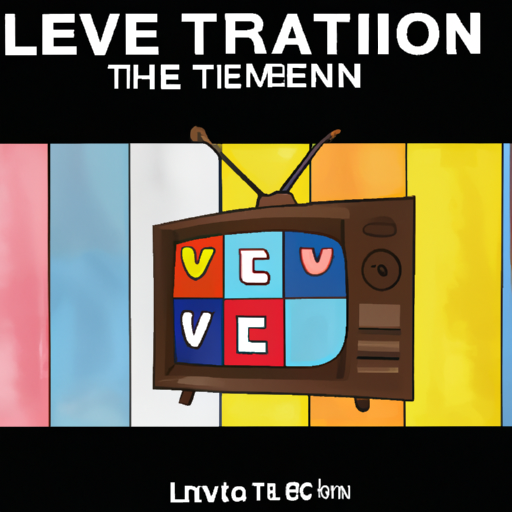
Example of visual style of Television

Television

Television is a visual style that became prominent in the mid-20th century and continues to be prevalent in modern times. It is characterized by the use of moving images displayed on a screen, creating a dynamic and interactive visual experience. The invention of television in the 1920s laid the foundation for this style's popularity. The addition of color broadcasting in the 1950s further enhanced its visual appeal. Television has become famous for its ability to bring live events, news, entertainment, and various forms of storytelling directly into people's homes.

View StyleExplore Style
Example of visual style of United Visual Artists

United Visual Artists

United Visual Artists (UVA) is a London-based art collective known for their immersive, interactive and technologically-driven installations. Established in the early 2000s, UVA gained prominence for their innovative approach towards merging art and technology. Their work often incorporates elements of light, sound, and motion to create mesmerizing and transformative experiences. UVA's installations have been showcased in influential art institutions and festivals worldwide, including the Victoria and Albert Museum in London and the Coachella Valley Music and Arts Festival. Through their imaginative use of technology, UVA has redefined the boundaries of visual art and created a distinct style that engages and captivates audiences.

View StyleExplore Style
Example of visual style of Video Game Design

Video Game Design

Video Game Design is a visual style that encompasses the aesthetics and design principles used in the creation of video games. It emerged in the late 20th century and gained significant popularity in the 21st century with the rise of technology and gaming consoles. This style became famous for its ability to transport players into immersive digital worlds and provide interactive experiences. It combines elements of animation, digital art, and storytelling to create visually captivating and engaging gameplay.

View StyleExplore Style
Home