
StylopediaStylopedia

Intensity styles on Stylopedia

A visual encyclopedia of intensity styles – use as prompt inspiration for Midjourney, Gemini, or ChatGPT AI when making intensity images

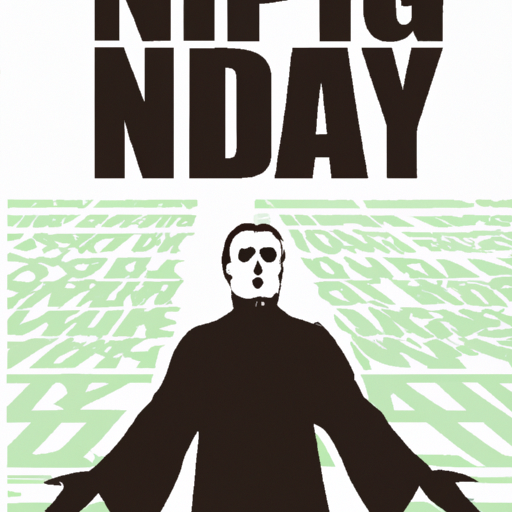
Example of visual style of Ian Curtis

Ian Curtis

Ian Curtis is known for his distinct visual style in the post-punk era of the late 1970s and early 1980s. This style gained prominence during his time as the lead singer of the band Joy Division from 1977 to 1980. Curtis became famous for his hauntingly expressive performances and introspective lyrics, which often explored themes of despair, alienation, and inner turmoil. His visual style was characterized by a minimalist and stark aesthetic, with a focus on monochromatic tones and angular shapes. It reflected the bleakness and intensity that characterized his music and lyrics. Ian Curtis's style continues to be revered and has had a significant influence on subsequent generations of musicians and artists.

View StyleExplore Style
Example of visual style of Martin Scorsese

Martin Scorsese

The visual style of Martin Scorsese is characterized by its gritty realism, intense subject matter, and strong use of color. Scorsese rose to fame in the 1970s with films such as 'Taxi Driver' and 'Raging Bull', which depicted the seedy underbelly of society and explored themes of violence, corruption, and redemption. His use of vibrant colors and dynamic camera movements create a palpable sense of tension and unease, immersing the audience in the raw emotions of his characters. Scorsese's style became famous for its unconventional storytelling techniques, such as voice-over narration and rapid editing. This visual style has continued to evolve over the years, with Scorsese exploring different genres and periods, yet maintaining his signature intensity and visual flair.

View StyleExplore Style
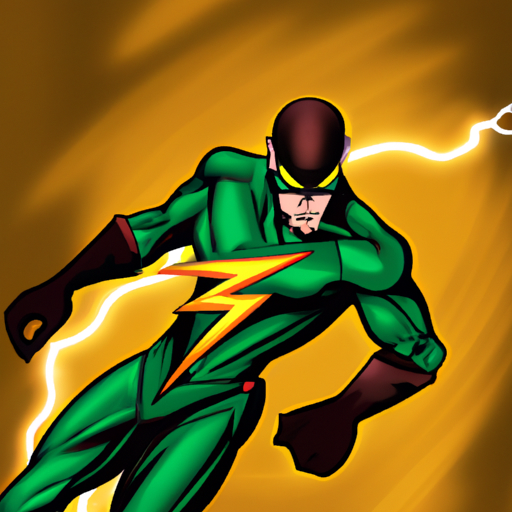
Example of visual style of Rob Liefeld

Rob Liefeld

Rob Liefeld is a visual style known for its exaggerated anatomy, dynamic poses, and emphasis on action and violence. This style rose to prominence in the late 1980s and early 1990s, during the popularity boom of superhero comics. Liefeld's influential art style is characterized by bulging muscles, large weapons, pouches, and characters with extreme proportions. His style became famous for its energy and intensity, revolutionizing the way superheroes were depicted in comics.

View StyleExplore Style
Example of visual style of Tony Scott

Tony Scott

Tony Scott's visual style is characterized by its high-energy, stylized and visually dynamic aesthetics. It gained prominence in the 1980s and continued to be influential until his death in 2012. Tony Scott's style is famous for its vibrant color palettes, dramatic lighting, fast-paced editing, and innovative camera techniques. His signature use of filters, lens flares, and intense saturation creates a heightened sense of action and intensity in his films. Tony Scott's visual style often blurs the line between reality and fiction, transporting viewers into a hyper-stylized world.

View StyleExplore Style
Home