
A Place To Bury Strangers
A dark and intense visual style characterized by distorted and noisy imagery, reminiscent of the post-punk and noise rock music of the band A Place To Bury Strangers.
View StyleExplore Style Stylopedia
A visual encyclopedia of intense styles – use as prompt inspiration for Midjourney, Gemini, or ChatGPT AI when making intense images
A dark and intense visual style characterized by distorted and noisy imagery, reminiscent of the post-punk and noise rock music of the band A Place To Bury Strangers.
View StyleExplore Style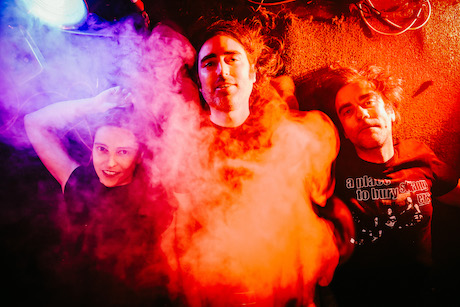
A dark and gritty visual style featuring intense strobe lights, distorted imagery, and chaotic visuals. Known for their raw and explosive live performances.
View StyleExplore StyleA dark, gritty, and chaotic visual style that combines elements of noise, punk, and shoegaze music. Known for their intense live performances and use of strobe lights, fog machines, and DIY light setups.
View StyleExplore Style
Aaron Ralston's visual style is characterized by a raw and honest approach, often focusing on capturing the intensity and vulnerability of the human experience. Famous for his work in the early 2000s, Ralston's style gained prominence for its authenticity and emotional depth.
View StyleExplore Style
The Action Adventure Visual Style is characterized by dynamic and exciting images that capture the thrill and adrenaline of action-packed scenes. Popularized in films and video games from the 1980s to present, this style features intense action sequences, dramatic lighting, and bold compositions.
View StyleExplore Style
Action Films is a visual style known for its intense and thrilling portrayal of high-speed chases, explosive stunts, and adrenaline-fueled sequences. It emerged in the 1970s with movies like 'Bullitt' and gained widespread popularity in the 1980s and 1990s with iconic films like 'Die Hard' and 'Terminator 2: Judgment Day', which showcased groundbreaking visual effects and action-packed storytelling. This style became famous for its use of spectacle, fast-paced editing, and larger-than-life action sequences, captivating audiences with its exhilarating and over-the-top approach to storytelling.
View StyleExplore Style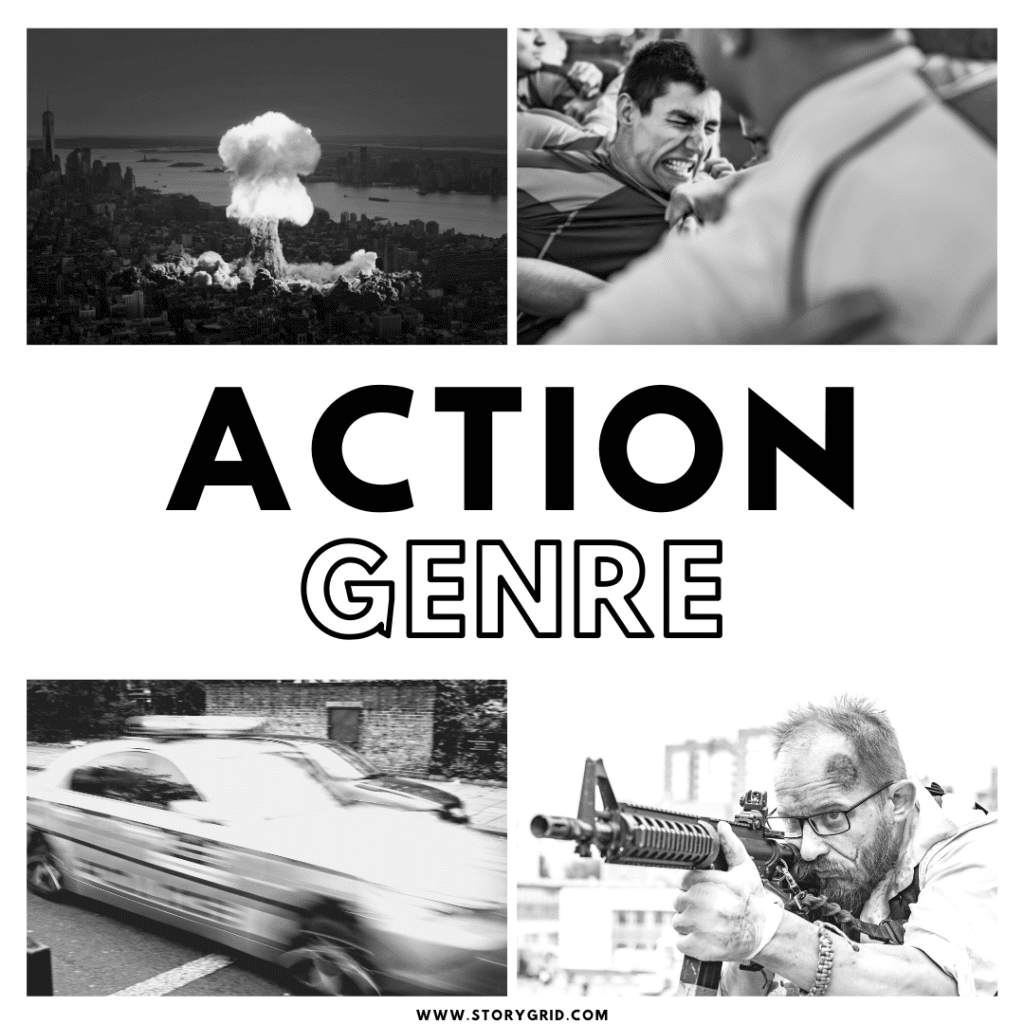
The Action Genre visual style is characterized by fast-paced, high-energy scenes with intense physical feats and adrenaline-pumping stunts. Popularized in the late 20th century by action-packed films and video games that captivated audiences with explosive action sequences.
View StyleExplore Style
Alejandro Gonzalez Iarritu is known for his visually stunning and emotionally intense films that often explore themes of human connection and redemption. His use of non-linear storytelling and intricate camera work has garnered critical acclaim, particularly in the early 2000s with films like Amores Perros and Babel.
View StyleExplore Style
Alejandro Gonzalez Inarritu's visual style is characterized by intense, raw and emotionally charged storytelling with intricate narratives that often intertwine. His use of long takes and handheld camera work creates a sense of immediacy and intimacy, drawing viewers into the characters' experiences. Inarritu's work rose to fame in the early 2000s with films like Amores Perros, 21 Grams, Babel, and Birdman.
View StyleExplore Style
Andrew Kevin Walker is a renowned American screenwriter known for his dark and gritty visual style. His style emerged in the 1990s and gained recognition through works like the film 'Se7en' released in 1995. Walker's style is characterized by its atmospheric intensity, moody and highly stylized cinematography, and a focus on exploring the dark depths of human nature. His visually striking storytelling often explores themes of crime, psychological turmoil, and moral ambiguity, which made him famous for his unique and haunting visual style.
View StyleExplore Style
Apocalypse Now is a visually stunning film directed by Francis Ford Coppola in 1979, famous for its intense and surreal imagery depicting the horrors of war in Vietnam.
View StyleExplore Style
Attack On Titan is a Japanese anime with a dystopian setting, detailed character designs, and intense action sequences. It gained popularity for its unique storyline and stunning animation.
View StyleExplore Style
Baroque is a highly ornamental and dramatic style that emerged in Europe around the late 16th century and remained prominent until the early 18th century. It is known for its grandeur, opulence, and theatricality. Baroque style captivated audiences with its elaborate details, exaggerated gestures, and vibrant colors. It was characterized by the use of dynamic and sweeping curves, intricate ornamentation, and abundant decorative elements. This style became famous for its luxuriousness and the way it evoked strong emotions through its ornate compositions and intense lighting effects.
View StyleExplore Style
The Battlefield visual style is characterized by realistic graphics, immersive environments, and intense combat gameplay. This style became famous in the early 2000s with the release of Battlefield 1942, showcasing large-scale battles and strategic gameplay.
View StyleExplore Style
The visual style of 'Birdman' is characterized by its unique mixture of long takes and seamless edits, creating a sense of continuous movement and intensity. Released in 2014, this style gained fame for its immersive and immersive storytelling.
View StyleExplore Style
A style characterized by deep red hues, evoking themes of passion, danger and intensity. Popularized in the modern era for its dramatic and emotive impact.
View StyleExplore Style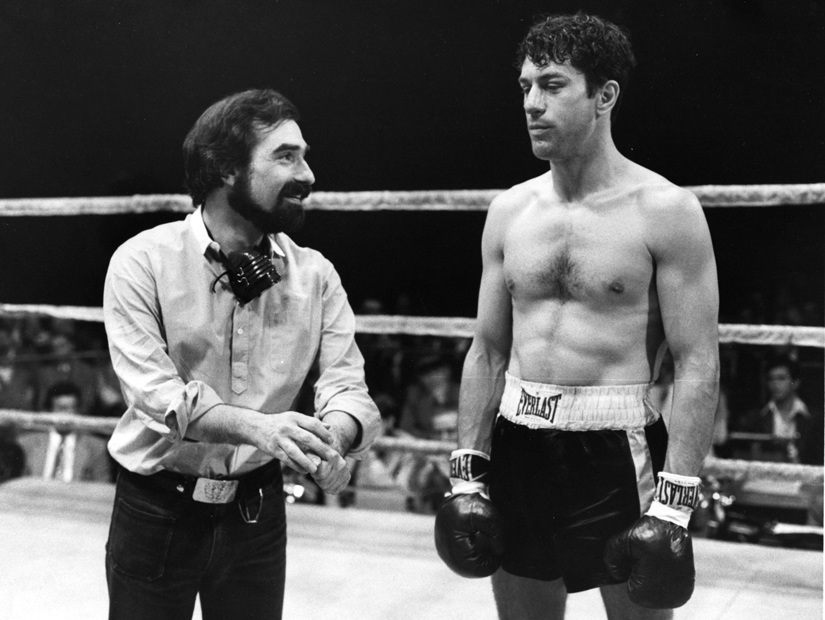
Boxing films typically feature gritty, realistic settings and intense emotional performances. This style became famous in the 20th century with classics like Raging Bull and Rocky.
View StyleExplore Style
The visual style of Breaking Bad is characterized by high contrast cinematography, vivid colors, and creative camera angles. It is known for its use of wide shots to convey isolation and intensity. This style became famous for its unique storytelling and gritty, realistic portrayal of the drug trade.
View StyleExplore Style
The visual style of Brian De Palma is characterized by its intense and suspenseful storytelling, highly stylized cinematography, and use of split screens. De Palma became famous for his work in the late 1960s and throughout the 1970s, with movies like 'Carrie' and 'Dressed to Kill'. His unique approach to composition and camera movement, often influenced by Alfred Hitchcock, became a trademark of his style. De Palma visually explores themes of voyeurism, duality, and the dark side of human nature.
View StyleExplore Style
The visual style of Call Of Duty video game series is characterized by realistic and gritty war scenarios, detailed military equipment, and immersive gameplay. It became famous for its high-quality graphics, intense gameplay, and realistic portrayal of modern warfare.
View StyleExplore Style
Charleys War is a British comic strip known for its gritty, realistic depictions of World War I. Created by Pat Mills and Joe Colquhoun, it gained fame for its detailed artwork and intense storytelling from 1979 to 1986.
View StyleExplore Style
Known for his gritty, realistic and intense visual style, Christopher Mcquarrie's work is characterized by high levels of suspense, tension and action. His style gained attention with the success of his film 'The Usual Suspects' released in 1995.
View StyleExplore Style
The Christopher Nolan visual style is known for its dark, gritty, and atmospheric aesthetic. It gained popularity in the late 1990s till present and became famous for its mind-bending storytelling, non-linear narratives, and exploration of complex themes. Nolan's films often feature striking visuals, intense action sequences, and meticulous attention to detail.
View StyleExplore Style
Claude Chabrol's visual style is characterized by its naturalistic and observational approach to storytelling. He is often associated with the French New Wave movement of the late 1950s and 1960s. Chabrol gained recognition for his intense psychological dramas and his ability to depict the complexities of human relationships. His films often revolve around themes of betrayal, class conflict, and the dark underbelly of bourgeoisie society. Chabrol's work is known for its atmospheric visuals, intricate plots, and meticulous attention to detail.
View StyleExplore Style
Conan The Barbarian is a visual style that originated in the 1980s and gained popularity through the fantasy artwork of Frank Frazetta. It is characterized by its emphasis on muscular, heroic figures, epic landscapes, and a gritty, intense atmosphere. Conan The Barbarian became famous for its bold and dynamic illustrations, which often depicted scenes of heroic battles, mythical creatures, and grand adventures.
View StyleExplore Style
Contemporary Dance is a genre of dance that developed during the mid-20th century and is characterized by its fluid movements, emotional intensity, and use of improvisation. It gained fame for breaking away from traditional ballet techniques and incorporating elements of modern dance and new movement styles.
View StyleExplore Style
Costa Gavras is known for his politically charged films that blend thriller and drama elements. His style became famous in the 1960s and 1970s for its intense storytelling and powerful social commentary.
View StyleExplore Style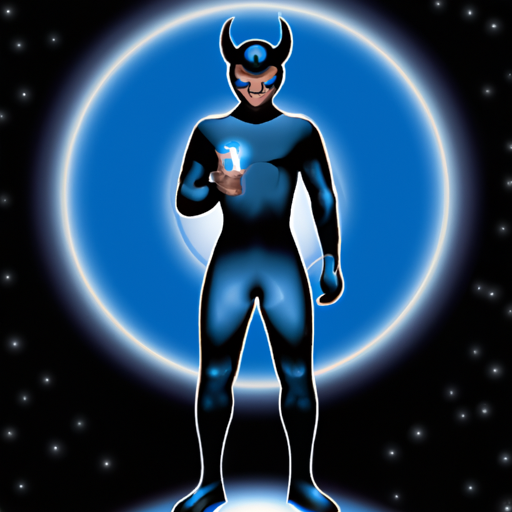
Daredevil Born Again is a visually striking comic book style that gained fame in the 1980s. It was made famous by the renowned writer Frank Miller and artist David Mazzucchelli. The style is characterized by its gritty and dark tone, employing heavy use of shadows, dramatic lighting, and detailed linework. It presents a visually intense atmosphere that perfectly encapsulates the psychological struggles and moral complexity of the Daredevil character.
View StyleExplore Style
Darren Aronofsky's visual style is characterized by its dark, gritty and intense atmosphere. His unique combination of experimental camerawork, surrealistic imagery, and non-linear storytelling has made him a celebrated and influential filmmaker. His style became famous in the late 1990s and early 2000s with films like 'Pi' (1998) and 'Requiem for a Dream' (2000), which showcased his bold and unflinching approach to storytelling.
View StyleExplore Style
The visual style of Darren Aronofsky's frequent collaborators Matthew Libatique, Clint Mansell, and Andrew Weisblum is characterized by intense and immersive cinematography, haunting and atmospheric music, and seamless editing. This collaborative team has worked together on acclaimed films such as 'Requiem for a Dream' and 'Black Swan', creating visually stunning and emotionally impactful cinematic experiences.
View StyleExplore StyleKnown for their collaboration with director Darren Aronofsky, this visual style combines striking cinematography, haunting musical compositions, and seamless editing to create intense and emotionally charged films such as Requiem for a Dream and Black Swan.
View StyleExplore StyleThis visual style is characterized by the collaboration between director Darren Aronofsky, cinematographer Matthew Libatique, composer Clint Mansell, and editor Andrew Weisblum. Known for their intense and emotionally charged films, this style often features inventive camerawork, haunting music, and sharp editing.
View StyleExplore StyleCharacterized by dark, gritty visuals, intense storytelling, and haunting music, Aronofsky's collaborations with Libatique, Mansell, and Weisblum have defined a new standard in cinematic experience.
View StyleExplore Style
David O Russell's visual style is characterized by dynamic camera work, quick editing, and emotionally charged performances. Known for his films from the '90s to present, Russell's style is often gritty, raw, and viscerally human, capturing the intensity of his characters' emotions.
View StyleExplore Style
Dawn of the Dead is a visual style that emerged in horror films in the late 1970s and early 1980s, particularly popularized by the 1978 film of the same name directed by George A. Romero. This style is characterized by its gritty, low-budget aesthetics, desaturated colors, and graphic violence. The use of handheld camera work and realistic special effects contributed to the immersive and intense atmosphere, making it one of the most influential horror films of all time.
View StyleExplore Style
The visual style of Death Note is dark and moody, with high contrast lighting and heavy use of shadows. The color palette is mostly muted tones of black, gray, and white, enhancing the intense and suspenseful atmosphere of the story. The distinct character designs and detailed backgrounds contribute to the overall gritty and surreal aesthetic, making Death Note a standout in the anime genre. The anime series was released in 2006 and gained widespread popularity for its unique visual style and compelling narrative.
View StyleExplore Style
The Death Note manga features a highly detailed and realistic art style, with dynamic layouts and intense character expressions. Created by Tsugumi Ohba and Takeshi Obata, it became famous for its dark themes and gripping narrative.
View StyleExplore StyleThe Dh Lawrence visual style is characterized by intense and raw emotional expression, often depicting themes of nature, sexuality, and personal relationships. This style gained fame during the early 20th century for its provocative and controversial content.
View StyleExplore Style
The Die Hard film visual style is characterized by its gritty, action-packed scenes, intense suspense, and iconic one-liners. Popularized in the late 1980s and 1990s, Die Hard films became famous for their high-octane sequences and charismatic protagonist, John McClane.
View StyleExplore Style
The visual style of the Die Hard Franchise is characterized by action-packed scenes, gritty urban settings, and suspenseful storytelling. Key elements include intense lighting, dynamic camera work, and explosive action sequences. This style became famous in the late 1980s and has since become iconic in the action genre.
View StyleExplore Style
Disasterpeace is a visual style characterized by chaotic and destructive imagery, often featuring explosions, natural disasters, and apocalyptic scenes. This style became famous in the mid-20th century for its intense and dramatic depictions of chaos and destruction.
View StyleExplore Style
Dog Soldiers is a gritty and intense visual style that gained popularity in the 2000s. It is characterized by its dark and atmospheric tone, realistic and gruesome violence, and emphasis on survival. This style became famous for its use in the British horror film 'Dog Soldiers' released in 2002, directed by Neil Marshall. It captivated audiences with its visceral and gruesome action scenes, creating a sense of fear and tension throughout the movie.
View StyleExplore Style
Doom is a first-person shooter game released in 1993 by id Software. It is known for its dark and gritty aesthetic, combining elements of gothic architecture, sci-fi, and hellish landscapes. The game's fast-paced gameplay, intense violence, and atmospheric music set a new standard for the genre. Doom's pixelated graphics and surreal environments made it a groundbreaking and highly influential game in the industry.
View StyleExplore Style
Dragon Ball is a Japanese manga and anime series created by Akira Toriyama. It was first serialized in 1984 and later adapted into multiple animated television series, movies, and video games. The visual style of Dragon Ball is characterized by vibrant, colorful artwork with a distinctive blend of fantasy and science fiction elements. The characters are often portrayed with exaggerated features, dynamic poses, and intense battle scenes. Dragon Ball became famous for its captivating storytelling, memorable characters, and its influential impact on the anime and manga industry.
View StyleExplore Style
Drum and Bass is a fast-paced electronic music style that originated in the late 1980s, characterized by high tempo beats and complex rhythms. Famous for its energetic and intense sound, it gained popularity in the 1990s and remains a staple of the electronic music scene.
View StyleExplore Style
El Camino A Breaking Bad Movie has a gritty and intense visual style that captures the essence of the original Breaking Bad series. It features a dark color palette, gritty cinematography, and minimalist set design that reflects the moral ambiguity of its characters.
View StyleExplore Style
Extreme Sports Photography captures intense and high-action moments in extreme sports like snowboarding, surfing, skateboarding, and more. Popularized in the late 20th century, it focuses on capturing adrenaline-fueled moments of athletes pushing the limits of their abilities.
View StyleExplore Style
The visual style of Far Cry is known for its stunningly realistic environments, detailed textures, and intense gameplay. This first-person shooter video game series became famous for its lush open-world settings and dynamic lighting effects.
View StyleExplore Style
The Far Cry video game visual style is defined by stunning and realistic graphics, vibrant open-world environments, and intense action-packed gameplay. This style gained popularity with the release of the first Far Cry game in 2004. Known for its breathtaking landscapes, detailed character designs, and advanced rendering techniques, Far Cry has set the standard for visually immersive gaming experiences.
View StyleExplore Style
The visual style of Fatal Attraction is characterized by sleek and modern design elements with a focus on suspense and tension. Made famous in the 1980s through the film of the same name, it combines elements of thriller and drama to create a visually impactful and intense atmosphere.
View StyleExplore Style
Fate Zero is known for its dark, sleek, and detailed animation style that brings to life intense battles and complex characters. This style became famous in the 2010s for its stunning visuals and captivating storytelling.
View StyleExplore Style
The First Person Shooter Genre is characterized by a first-person perspective where players experience the game through the eyes of the protagonist. This style became famous in the 1990s with titles like Doom and Quake, known for fast-paced action and intense gameplay.
View StyleExplore Style
A visual style characterized by dynamic compositions, bold colors, and dramatic lighting effects. Popularized in the 2014 film 'Force Majeure', this style is known for its intense and emotional impact.
View StyleExplore Style
Frank Klepacki is known for his iconic and energetic visual style in video game music, particularly in the Command & Conquer series during the 1990s. His use of heavy metal, electronic, and industrial influences became synonymous with the game's intense and fast-paced gameplay.
View StyleExplore Style
George Pratt is known for his dark and moody illustrative style, characterized by bold brushwork and intense lighting. His work gained popularity in the 1980s and 1990s for its emotional and evocative storytelling.
View StyleExplore Style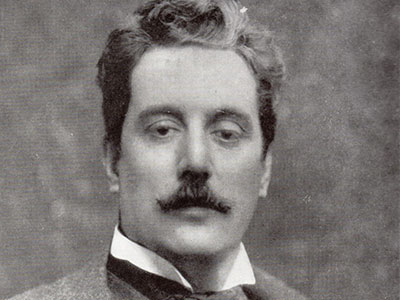
Giacomo Puccini's visual style is characterized by elaborate sets, opulent costumes, and dramatic lighting. Known for his operatic works in the late 19th and early 20th centuries, Puccini's productions are famous for their emotional intensity and grandeur.
View StyleExplore Style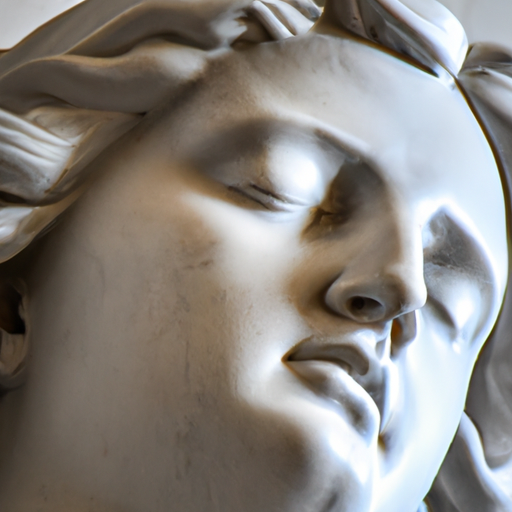
Gian Lorenzo Bernini was an Italian artist and architect who lived in the 17th century. He is known for his Baroque style, characterized by dramatic and emotional compositions. Bernini's sculptures are famous for their realistic details and dynamic poses, capturing intense expressions and movement. His works have a sense of theatricality, commanding attention and engaging the viewer. Bernini's skill in portraying human emotions and his innovative use of light and shadow made him one of the most influential artists of the Baroque period.
View StyleExplore Style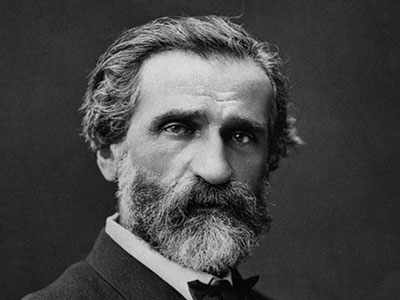
Giuseppe Verdi is known for his detailed and dramatic depictions of human emotion in his operas. Active during the 19th century, Verdi's work is characterized by powerful melodies and intense storytelling that have made him one of the most famous opera composers in history.
View StyleExplore Style
Gone Girl is a contemporary visual style that gained popularity in the 2010s. It is characterized by its dark and moody atmosphere, sleek and modern aesthetics, and its emphasis on suspense and psychological themes. This style became famous through the film 'Gone Girl' directed by David Fincher, released in 2014. Its combination of sleek cinematography, intense performances, and intricately crafted plot made it a critically acclaimed and commercially successful film, further popularizing the Gone Girl visual style.
View StyleExplore Style
Goya was a Spanish romantic painter and printmaker known for his dark and intense portrayals of human suffering and political unrest. Active in the late 18th and early 19th centuries, Goya's work is famous for its haunting imagery and emotional depth.
View StyleExplore Style