StylopediaStylopedia

Innovative materials styles on Stylopedia

A visual encyclopedia of innovative materials styles – use as prompt inspiration for Midjourney, Gemini, or ChatGPT AI when making innovative materials images

Example of visual style of Claes Oldenburg

Claes Oldenburg

Claes Oldenburg is known for his unique style of Pop Art, which emerged in the 1960s. With a focus on transforming everyday objects into monumental sculptures, Oldenburg challenged traditional notions of art and its subject matter. His work often explores themes of consumerism, popular culture, and the ironies of American society. Oldenburg's fame grew with his large-scale installations like the 'Giant BLT' and 'Clothespin', which showcased his playful and satirical approach to art. His innovative use of materials and exaggerated scale made him a prominent figure in the art world.

View StyleExplore Style
Example of visual style of Futuristic Design

Futuristic Design

Futuristic Design is a visual style that emerged in the mid-20th century and continues to influence contemporary aesthetics. It combines sleek, minimalist elements with advanced technology and forward-thinking concepts. This style became famous in the 1950s and 1960s when space exploration and the promise of a futuristic utopia captured people's imaginations. It gained popularity through the use of organic shapes, bold colors, and innovative materials. Futuristic Design is characterized by its emphasis on progress, innovation, and a sense of boundless possibilities.

View StyleExplore Style
Example of visual style of Mid Century Modern

Mid Century Modern

Mid Century Modern, also known as 'MCM', was a design style popular from the mid-1940s to the late 1960s. Renowned for its simplicity and functionality, this style is characterized by clean lines, organic shapes, and a focus on bringing the outdoors in. Influenced by the Bauhaus and Scandinavian design, Mid Century Modern became famous for its sleek furniture, innovative use of materials like plywood and fiberglass, and its emphasis on creating harmony between form and function.

View StyleExplore Style
Example of visual style of Mies Van Der Rohe

Mies Van Der Rohe

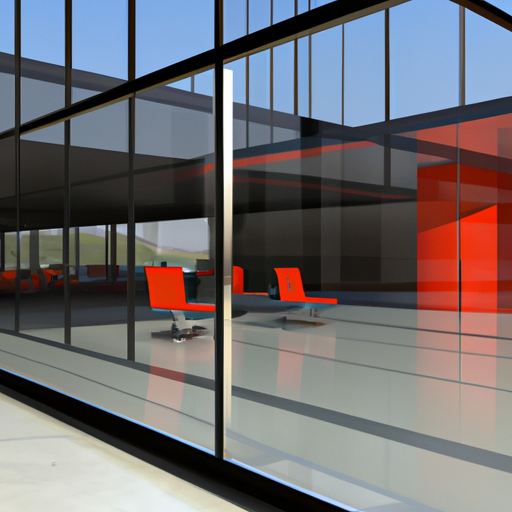
Mies van der Rohe was a German architect who is widely regarded as one of the pioneers of modern architecture. He is famous for his minimalist and functional designs that emphasized the use of clean lines, open spaces, and the innovative use of materials, such as steel and glass. His architectural style became known as the International Style, and he played a significant role in the development of this movement during the 1920s and 1930s. Mies' work was characterized by simplicity, elegance, and a focus on the essential elements of a building, often described by the phrase 'less is more'.

View StyleExplore Style
Example of visual style of Modernist Design

Modernist Design

Modernist Design emerged during the late 19th century and continued into the mid-20th century, particularly flourishing between the 1920s and 1950s. It is known for its emphasis on functionality, simplicity, and the rejection of ornate decoration. This style gained fame through notable movements such as Bauhaus, De Stijl, and the International Style, which sought to unite art, design, and technology. Modernist Design celebrated clean lines, geometric shapes, and the use of innovative materials, reflecting the principles of industrialization and progress at the time.

View StyleExplore Style
Home