StylopediaStylopedia

Innovative styles on Stylopedia

A visual encyclopedia of innovative styles – use as prompt inspiration for Midjourney, Gemini, or ChatGPT AI when making innovative images

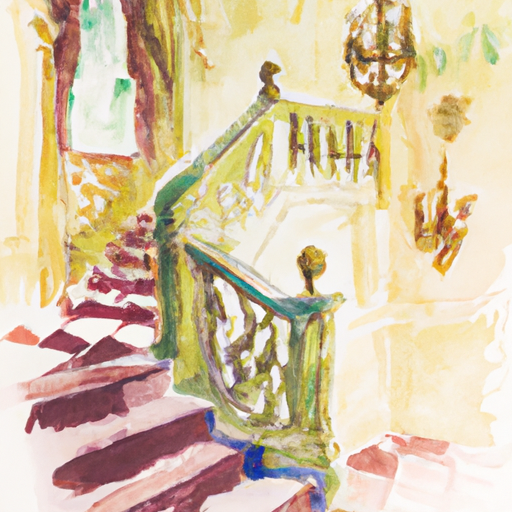
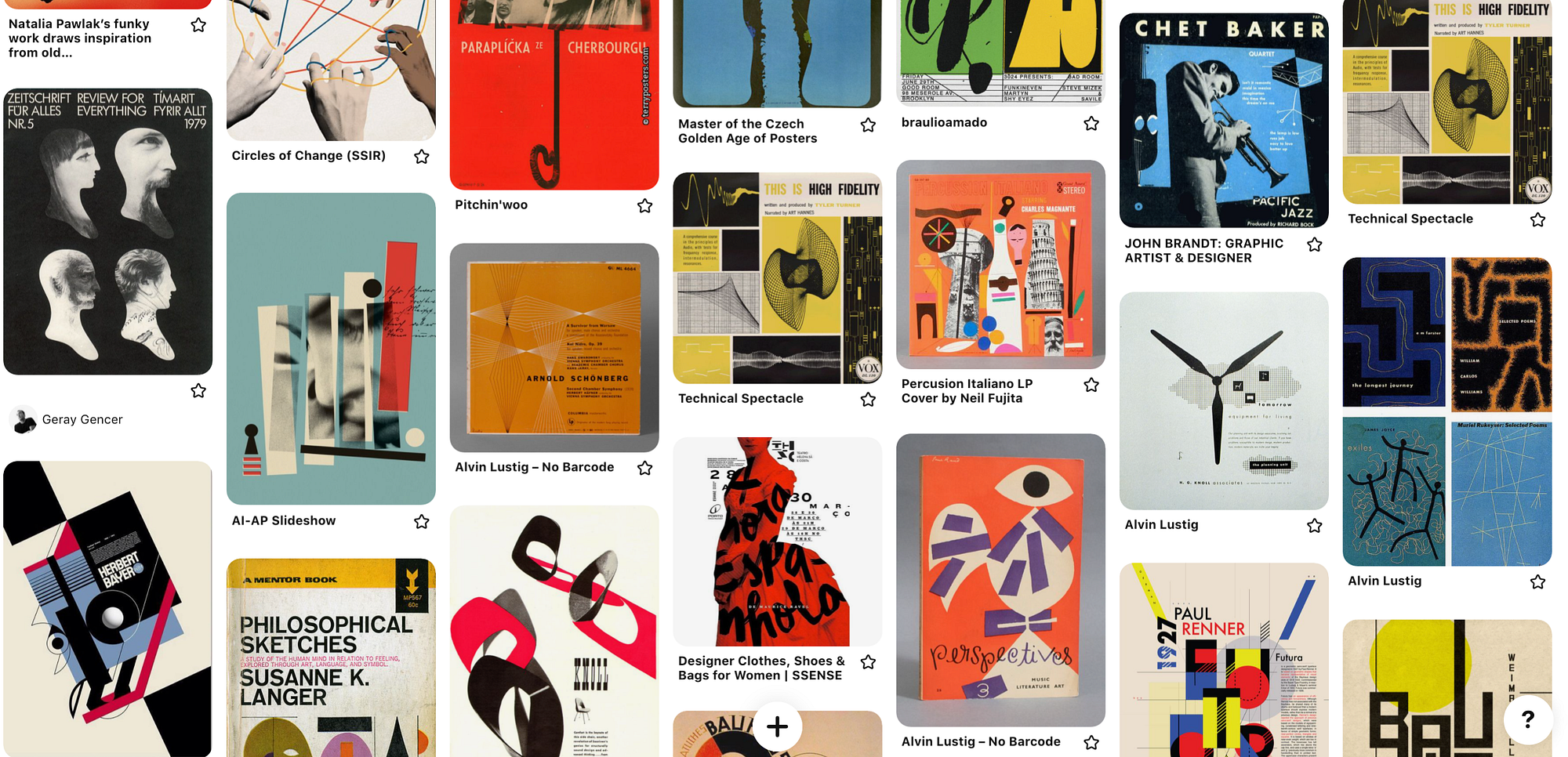
Example of visual style of Album Cover Art

Album Cover Art

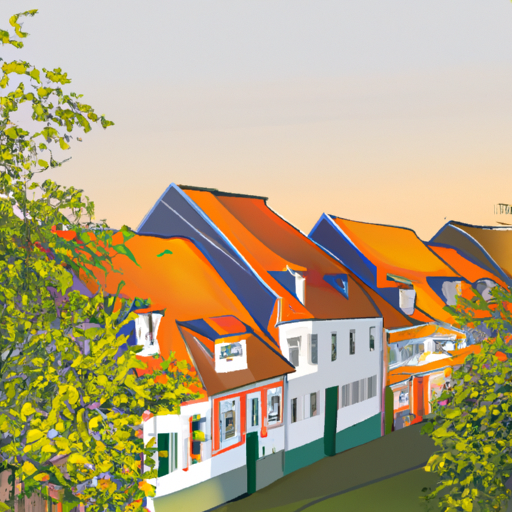
Album Cover Art is a visual style that refers to the design and artwork printed on the covers of music albums. It became particularly famous during the mid-20th century when vinyl records were the dominant format for music consumption. The style's importance and recognition peaked in the 1960s and 1970s when groundbreaking album cover designs served as crucial visual representations of the music. These covers often featured innovative graphic design, photography, illustration, and typography that perfectly complemented the mood, genre, or themes of the music. From the iconic artwork of The Beatles' 'Sgt. Pepper's Lonely Hearts Club Band' to Pink Floyd's 'The Dark Side of the Moon,' album cover art played a significant role in shaping the overall aesthetic and cultural significance of music albums.

View StyleExplore Style
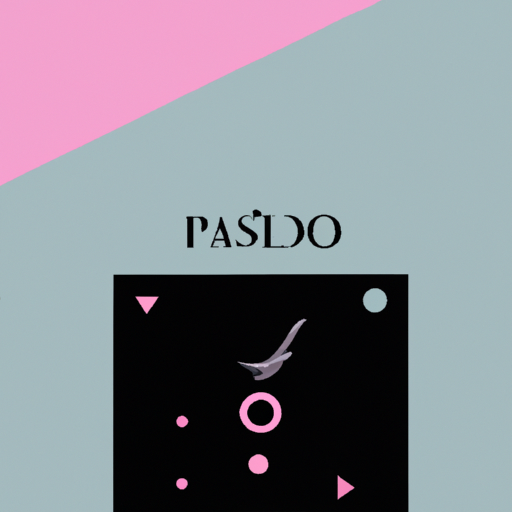
Example of visual style of Alex McDowell

Alex McDowell

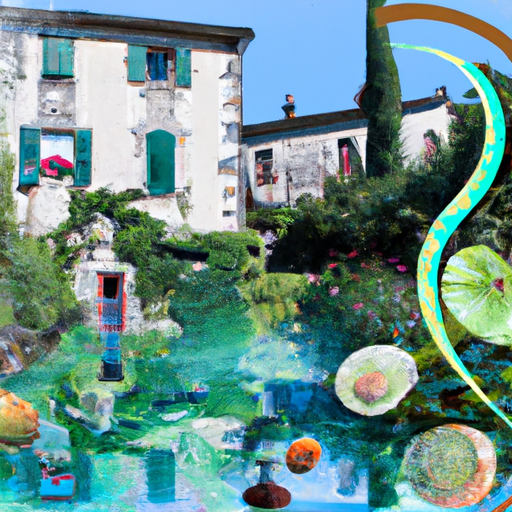
The visual style of Alex McDowell is futuristic and immersive, blending architecture, technology, and storytelling in a seamless way. McDowell became famous for his groundbreaking work as a production designer in the late 1990s and early 2000s, bringing his unique visions to life in films like 'Fight Club' (1999), 'Minority Report' (2002), and 'The Terminal' (2004). His use of intricate set designs, innovative use of digital technologies, and meticulous attention to detail created visually stunning and fully realized worlds, transporting audiences into the future.

View StyleExplore Style
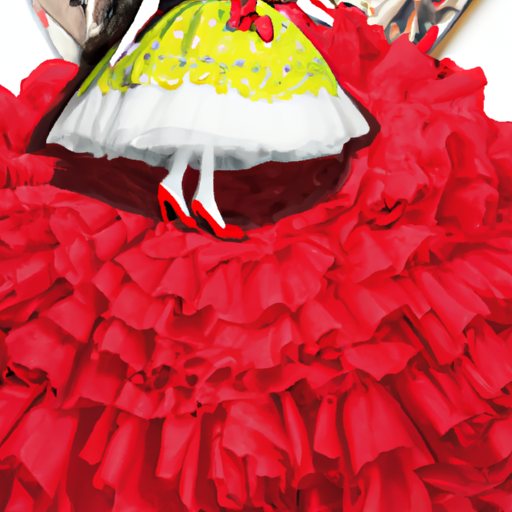
Example of visual style of Alexander Mcqueen

Alexander Mcqueen

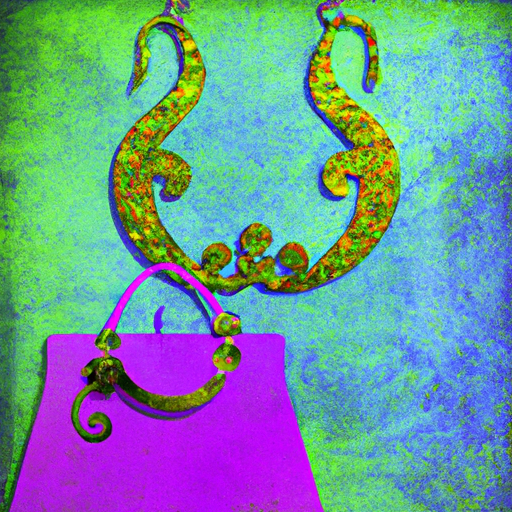
Alexander McQueen was known for his daring and unconventional fashion designs. His style emerged in the late 1990s and early 2000s, and he became famous for his bold and theatrical runway presentations. McQueen's designs often featured a dark and avant-garde aesthetic, with a mixture of romanticism and punk influences. He was known for his meticulous attention to detail and his ability to push the boundaries of fashion. McQueen's style was characterized by dramatic silhouettes, intricate craftsmanship, and a sense of theatricality. His innovative and provocative designs left a lasting impact on the fashion industry.

View StyleExplore Style
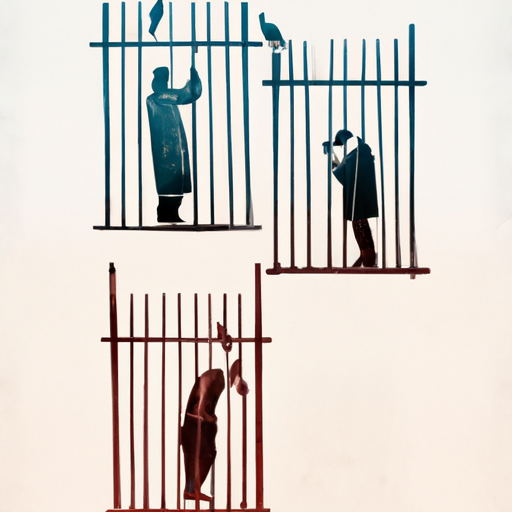
Example of visual style of Alexander Rodchenko

Alexander Rodchenko

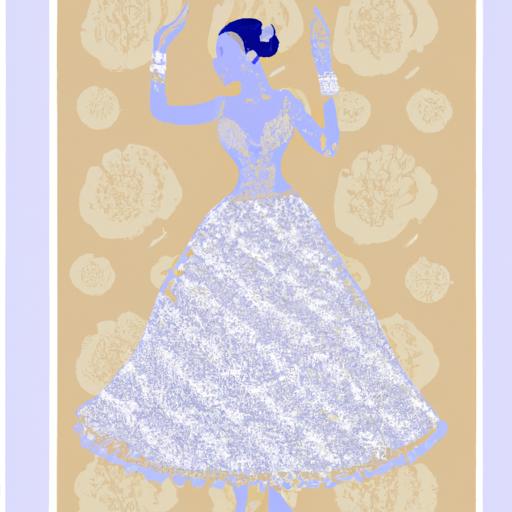
Alexander Rodchenko was a Russian artist and designer who was a pioneer of Constructivism and Productivism. He was active in the early 20th century and his bold and innovative style made him one of the most influential figures in Russian avant-garde art. Rodchenko's work was characterized by geometric shapes, sharp angles, and dynamic compositions. He is best known for his experiments with photography, photomontage, and graphic design, which pushed the boundaries of traditional art forms and challenged the viewer's perception.

View StyleExplore Style
Example of visual style of Alexey Brodovitch

Alexey Brodovitch

Alexey Brodovitch was a prominent art director and designer known for his innovative work in the field of graphic design. He rose to prominence in the mid-20th century, particularly during his tenure as the art director of Harper's Bazaar from 1934 to 1958. Brodovitch revolutionized editorial design by introducing dynamic layouts, bold typography, and asymmetrical compositions. His use of large-scale photographs and innovative cropping techniques became his trademark and greatly influenced the future of magazine design. Brodovitch's work was characterized by its avant-garde aesthetic, combining a modernist approach with a strong emphasis on visual impact and storytelling.

View StyleExplore Style
Example of visual style of Am Cassandre

Am Cassandre

Am Cassandre is a visual style created by Adolphe Jean-Marie Mouron, who is better known by his pseudonym, Cassandre. This style emerged in the early 20th century and gained prominence in the 1920s and 1930s. Cassandre was renowned for his innovative and avant-garde approach to graphic design, particularly in the realm of poster art. He revolutionized the field by incorporating elements of Cubism, Futurism, and Surrealism into his work. His bold use of colors, sharp geometric shapes, and dynamic compositions made his posters instantly recognizable and highly influential. Cassandre's iconic designs for companies like Dubonnet, Nord Express, and Normandie solidified his status as one of the most important graphic designers of his time.

View StyleExplore Style
Example of visual style of Annibale Carracci

Annibale Carracci

Annibale Carracci was an Italian painter of the late 16th and early 17th centuries. He is widely recognized as one of the founders of the Baroque style of painting. Carracci's work is characterized by a naturalistic and classical approach, blending elements of Renaissance art with a new emphasis on dramatic effects and emotional expression. His famous works include 'The Assumption of the Virgin' (1600-1601) and 'The Flight into Egypt' (1603-1604). Carracci's innovative use of light and color, along with his skillful composition and attention to detail, made him a prominent figure in the development of the Baroque movement.

View StyleExplore Style
Example of visual style of Annie Leibovitz

Annie Leibovitz

Annie Leibovitz is known for her innovative and imaginative approach to portraiture. Her style emerged in the 1970s and gained fame through her work for Rolling Stone magazine. Leibovitz became renowned for her use of bold colors, dramatic lighting, and creative compositions that captured the essence and personality of her subjects, often celebrities. She produced iconic images that pushed the boundaries of traditional portraiture and became a pioneer in the field of celebrity photography.

View StyleExplore Style
Example of visual style of Antoni Gaudí

Antoni Gaudí

Antoni Gaudí was a Catalan architect from the late 19th and early 20th century, known for his unique and highly distinctive architectural style. Gaudí's style is characterized by its organic forms, elaborate detailing, and the integration of natural elements. His most famous works, such as the Sagrada Família and Casa Batlló in Barcelona, are prime examples of his style. Gaudí's use of innovative structural solutions, including the combination of materials such as stained glass, ceramics, stone, and iron, made his works truly revolutionary for his time. His style became famous for its combination of art and architecture, blending aesthetics with functionality to create truly awe-inspiring spaces.

View StyleExplore Style
Example of visual style of Antonio Gaudi

Antonio Gaudi

Antonio Gaudi is known for his unique and innovative architectural style that emerged in the late 19th and early 20th centuries. His most famous works, such as the Sagrada Familia and Park Güell in Barcelona, showcase his distinctive use of organic shapes, intricate detailing, and incorporation of natural elements. Gaudi's style is characterized by its fluidity, mosaic-like ornamentation, and incorporation of religious symbolism. His work remains famous for its visionary approach to architecture, which challenged traditional concepts and pushed the boundaries of design.

View StyleExplore Style
Example of visual style of Artists

Artists

The Artists visual style refers to the unique and diverse styles that individual artists develop and embody. This style has been prominent throughout art history, with significant developments occurring in various important periods like the Renaissance, Impressionism, and Cubism. Artists have been known to create innovative and groundbreaking works that challenge the traditional notions of art. They often make use of their personal experiences, emotions, and creative visions to produce art that is expressive, thought-provoking, and visually captivating.

View StyleExplore Style
Example of visual style of Avant Garde Literature

Avant Garde Literature

Avant Garde Literature is an experimental and unconventional style of writing that emerged in the late 19th and early 20th centuries. It gained prominence in the early 1900s through the works of notable authors such as James Joyce, Virginia Woolf, and Gertrude Stein. This style of literature is characterized by its rejection of traditional narrative structures, linear plots, and coherent storytelling. Instead, it embraces fragmented narratives, stream-of-consciousness writing, and innovative use of language and imagery. Avant Garde Literature revolutionized the way stories are told, challenging the norms and pushing the boundaries of literary expression.

View StyleExplore Style
Home