StylopediaStylopedia

Innovation styles on Stylopedia

A visual encyclopedia of innovation styles – use as prompt inspiration for Midjourney, Gemini, or ChatGPT AI when making innovation images

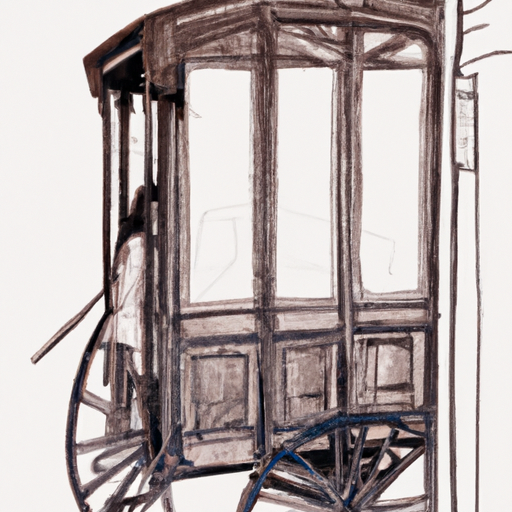
Example of visual style of American Modernism

American Modernism

American Modernism refers to a diverse artistic and cultural movement that emerged in the United States from the late 19th century to the mid-20th century. It gained prominence in the 1910s and continued to flourish throughout the 1930s. This style is characterized by a departure from traditional forms and a embrace of experimentation and innovation. American Modernism encompassed various art forms, including painting, sculpture, photography, architecture, literature, and design. Notable artists, such as Georgia O'Keeffe, Edward Hopper, and Charles Sheeler, were associated with this style.

View StyleExplore Style
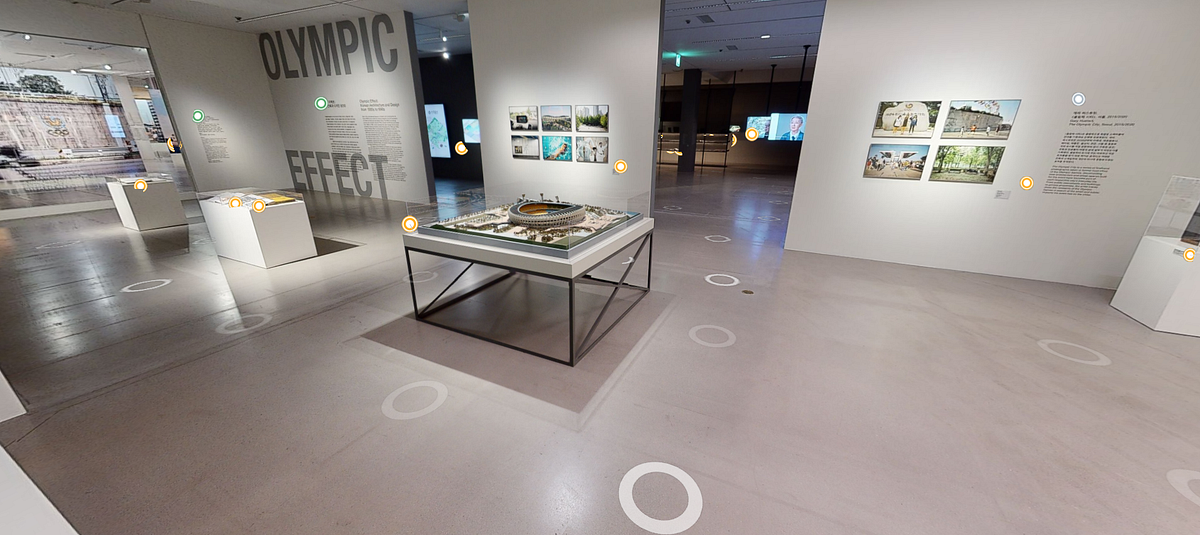
Example of visual style of Art And Technology

Art And Technology

Art And Technology is a visual style that emerged in the 1960s and became famous for its fusion of artistic expression with technological advancements. It encompasses art forms that incorporate electronic media, computer technology, and other technological advancements as integral components of the artwork. The style gained prominence during the 1960s and 1970s as artists began exploring the possibilities of using technology in their artistic processes and creations.

View StyleExplore Style
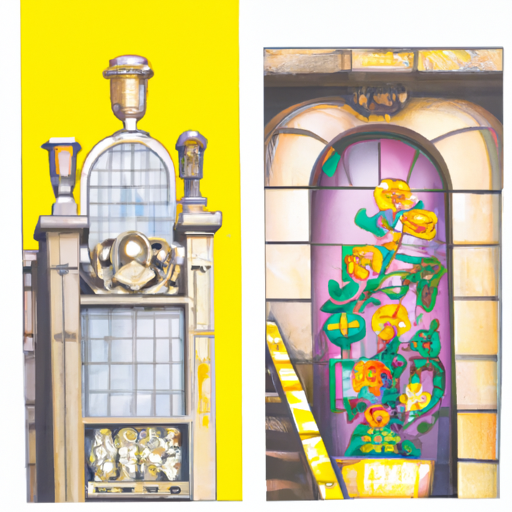
Example of visual style of Belle Epoque

Belle Epoque

Belle Epoque, or 'Beautiful Era', refers to the period from the late 19th century to the outbreak of World War I in 1914. It was a time of opulence, glamour, and innovation in Europe and the United States. This era saw the rise of modern industrialization, technological advancements, and a flourishing of arts and culture. The Belle Epoque was marked by a commitment to beauty and optimism, with an emphasis on luxurious and ornate designs. The famous landmarks of this period include the Eiffel Tower, the Paris Metro, and the Exposition Universelle. This era is characterized by its grandeur, intricate detailing, and the fusion of different artistic influences.

View StyleExplore Style
Example of visual style of Car Designers

Car Designers

Car Designers is a visual style associated with the field of automotive design. This style emerged in the early 20th century with the introduction of mass-produced automobiles. It became famous for its focus on functionality, aerodynamics, and aesthetics. Car designers have played a crucial role in shaping the automotive industry by creating iconic designs that reflect the spirit of their respective eras. Some important years for this style include the 1920s Art Deco era, the 1950s space-age design, and the current trend towards sleek, minimalist forms. Car Designers have brought innovation, engineering prowess, and artistic sensibility to the design of automobiles.

View StyleExplore Style
Example of visual style of Carlo Maderno

Carlo Maderno

Carlo Maderno was an Italian architect known for his role in the development of Baroque architecture during the late 16th and early 17th centuries. His distinct style emerged in Rome, particularly with his contribution to the design of St. Peter's Basilica, which became one of the most important and famous architectural works of the period. Maderno's innovative use of classical elements, such as columns, pediments, and domes, combined with his emphasis on symmetry and dramatic spatial effects, set the stage for the grandeur and opulence that defined the Baroque era.

View StyleExplore Style
Example of visual style of Chris Anderson

Chris Anderson

The visual style of Chris Anderson emerged in the early 2000s and became famous for its minimalist and sleek design. Anderson is known for his mastery of typography and the use of bold and vibrant colors. His work often combines clean lines and simple shapes to create striking compositions. Anderson's style gained popularity through his graphic design work, particularly in the tech industry, where he created iconic logos and user interfaces. With a focus on modernism and innovation, Chris Anderson's visual style continues to influence contemporary design.

View StyleExplore Style
Example of visual style of Fashion Design

Fashion Design

Fashion Design refers to the art and application of design and aesthetics in clothing and accessories. It has evolved over the years and gained prominence in the fashion industry. This visual style became particularly famous during the mid-20th century, with fashion designers like Coco Chanel and Christian Dior revolutionizing the industry. The blend of creativity, craftsmanship, and innovation in clothing design has made Fashion Design a distinct and influential visual style.

View StyleExplore Style
Example of visual style of Fashion Icons

Fashion Icons

Fashion Icons is a visual style that refers to iconic fashion trends and individuals that have made a significant impact on the fashion industry. This style encompasses various eras, including the glamorous fashion of the 1950s, the rebellious styles of the 1960s, the bold and avant-garde designs of the 1980s, and the minimalistic and sleek aesthetics of the 1990s. Fashion Icons highlights fashion designers, models, celebrities, and style influencers whose creativity, innovation, and unique sense of style have influenced and shaped the fashion world. From Coco Chanel, Audrey Hepburn, and Marilyn Monroe to Madonna, Kate Moss, and Karl Lagerfeld, these iconic figures have become synonymous with fashion and continue to influence contemporary fashion trends.

View StyleExplore Style

Example of visual style of Gunta Stolzl

Gunta Stolzl

Gunta Stolzl was a prominent textile artist and designer associated with the Bauhaus movement in the early 20th century. Her style, developed between 1919 and 1931, is characterized by bold geometric patterns, vibrant colors, and a focus on functionality. Stolzl's innovative use of materials and techniques, such as weaving and dyeing, revolutionized textile design. Her work at the Bauhaus and later as the head of the weaving workshop made her famous for pushing the boundaries of traditional craft and elevating textiles to the realm of fine art.

View StyleExplore Style
Example of visual style of Haute Couture

Haute Couture

Haute Couture is a high-fashion style that emerged in the mid-19th century and continues to define luxury and exclusivity in the world of fashion. Originating in Paris, France, Haute Couture refers to custom-made, handcrafted garments that are created with exceptional attention to detail and craftsmanship. This style became famous during the 20th century, with notable years such as the 1920s and the post-World War II period. Haute Couture gained its reputation through its association with renowned fashion houses and designers like Chanel, Dior, and Balenciaga, who pushed the boundaries of creativity and revolutionized the industry. Characterized by its intricacy, innovation, and quality, Haute Couture has become synonymous with elegance, sophistication, and unparalleled luxury.

View StyleExplore Style

Example of visual style of Ivan Sutherland

Ivan Sutherland

Ivan Sutherland is known for pioneering computer graphics and human-computer interaction. His work in the 1960s laid the foundation for modern computer graphics and virtual reality. Sutherland's Sketchpad system introduced the concept of graphical user interfaces, making it easier for users to interact with computers. This innovation was a breakthrough in computer science and revolutionized the way people interact with visual data. Sutherland's work in computer graphics and HCI has had a significant impact on numerous fields, including design, architecture, and entertainment.

View StyleExplore Style
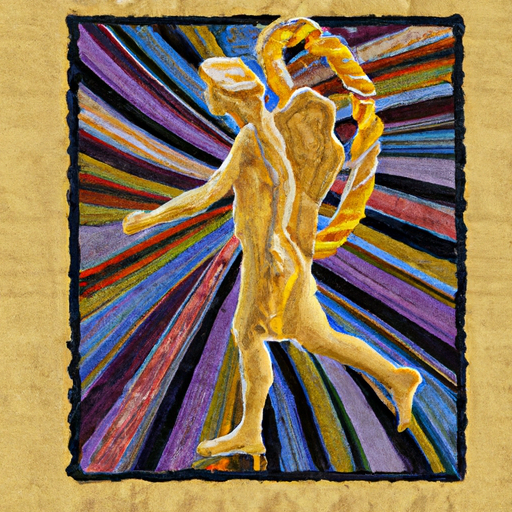
Example of visual style of Martin Wattenberg

Martin Wattenberg

Martin Wattenberg is an American artist and computer scientist who is known for his innovative and visually striking data visualizations. His work gained prominence in the late 1990s and early 2000s, as he explored the intersection of art and technology. Wattenberg's visualizations often involve large datasets and strive to make complex information more accessible and engaging to a wide audience. His work became famous for its ability to reveal hidden patterns and insights within the data, fostering new understandings and perspectives.

View StyleExplore Style
Example of visual style of Pablo Picasso

Pablo Picasso

Pablo Picasso was a prolific and influential artist who is known for his exceptional creativity and diverse styles. He is most renowned for co-founding the Cubist movement, along with Georges Braque, during the early 20th century. Picasso's artistic journey spanned several periods, including the Blue Period, Rose Period, African art-inspired Period, and Surrealism. His works revolutionized the art world, challenging traditional representation and paving the way for abstract and avant-garde art. Picasso's style is characterized by a bold and innovative approach, marked by distorted forms, fragmented objects, multiple perspectives, and vibrant use of color. He pushed the boundaries of artistic expression, constantly experimenting with different techniques and materials.

View StyleExplore Style

Example of visual style of Richard Edlund

Richard Edlund

Richard Edlund is a visual effects artist known for his pioneering work in the film industry. He made significant contributions in the field of visual effects during the late 1970s and 1980s, which earned him multiple Academy Awards. His work in films like 'Star Wars' (1977), 'Raiders of the Lost Ark' (1981), and 'Ghostbusters' (1984) revolutionized the use of special effects in cinema. Edlund's innovation and attention to detail in creating realistic and immersive visual worlds made him a legend in the industry.

View StyleExplore Style

Example of visual style of Richard Rawlings

Richard Rawlings

The visual style of Richard Rawlings is characterized by bold, edgy and contemporary designs. It became famous in the late 2000s when Rawlings gained popularity as the host of the television show 'Fast N' Loud'. His style is heavily influenced by automotive culture, featuring vibrant colors, sleek lines, and intricate detailing. Rawlings' designs often incorporate elements of speed, power, and innovation, reflecting his passion for custom cars and motorcycles.

View StyleExplore Style

Example of visual style of Rob Velter

Rob Velter

Rob Velter is a visual style known for its vibrant colors, bold shapes, and dynamic compositions. This style emerged in the late 20th century and became increasingly popular in the early 21st century. What made Rob Velter famous was his unique ability to blend different art forms and integrate them into his designs. With a strong emphasis on experimentation and innovation, Rob Velter created captivating visuals that captured attention and influenced many aspiring artists.

View StyleExplore Style
Example of visual style of Robert Delaunay

Robert Delaunay

Robert Delaunay was a French artist known for his involvement in the Orphism art movement. This style, developed in the early 20th century, aimed to create abstract visual language through the use of vibrant colors, geometric shapes, and light effects. Delaunay's work, particularly his series of paintings called 'Simultaneous Contrasts,' became famous for its innovative use of color theory and his exploration of the visual effects of color relationships. His style is characterized by dynamic compositions, fragmented forms, and a sense of movement.

View StyleExplore Style

Example of visual style of Yaacov Agam

Yaacov Agam

Yaacov Agam is an Israeli artist known for his unique style of kinetic art. Born in 1928, he began his artistic career in the 1950s and gained significant recognition in the 1960s. Agam's art is characterized by its dynamic and ever-changing nature, incorporating movement, light, and color. His artworks often rely on optical illusions and viewer interactions, challenging the traditional boundaries of static art. Agam's innovative use of various materials and technologies, including sculpture, painting, and digital art, has made him famous as a pioneer of kinetic art.

View StyleExplore Style
Example of visual style of Yves Klein

Yves Klein

Yves Klein is a style developed by the French artist Yves Klein in the late 1950s. It is known for its minimalist aesthetic and innovative use of a vibrant shade of blue called International Klein Blue (IKB). Klein's style became famous for its emphasis on pure color and texture, as well as its exploration of the immaterial and the void. He often used unconventional materials and techniques in his artworks, such as using human models as living paintbrushes or creating monochromatic canvases. Klein's style influenced the development of later art movements, including minimalism and conceptual art.

View StyleExplore Style
Home