
Chinese Brush Painting
Chinese Brush Painting is a traditional style of East Asian art that dates back to ancient times. This style is known for its use of brush strokes, ink, and watercolor on silk or paper.
View StyleExplore Style Stylopedia
A visual encyclopedia of ink styles – use as prompt inspiration for Midjourney, Gemini, or ChatGPT AI when making ink images
Chinese Brush Painting is a traditional style of East Asian art that dates back to ancient times. This style is known for its use of brush strokes, ink, and watercolor on silk or paper.
View StyleExplore Style
Dansaekhwa is a Korean monochromatic painting style that emerged in the 1970s. Artists of this style focused on minimalist compositions and the expressive qualities of materials like hanji paper and ink, bringing attention to the act of creation itself.
View StyleExplore Style
Japanese Calligraphy is a traditional art form of writing characters with brush and ink. It has roots dating back to the 5th century and is known for its fluidity, simplicity, and beauty.
View StyleExplore Style
Klaus Janson is a comic book artist and inker who became famous for his work in the 1980s. Known for his gritty, dynamic and highly detailed style, Janson's art has a strong emphasis on shadow and texture. He gained recognition through his collaboration with writer and artist Frank Miller on the influential Batman graphic novel 'The Dark Knight Returns'. Janson's artistic style helped to redefine the modern superhero genre, with his bold linework and atmospheric rendering techniques.
View StyleExplore Style
Li Gonglin was a Chinese painter known for his detailed brushwork and realistic depictions of animals, landscapes, and figures. Active during the Tang dynasty (618-907 AD), he was a master of ink and color painting, particularly in his depictions of horses.
View StyleExplore Style
Printmaking is a technique of creating artworks by transferring ink onto paper or other surfaces using a carved or etched plate. This style originated in ancient China and was later developed by artists in Europe during the 15th century. It became famous for its ability to reproduce multiple copies of an artwork, leading to the widespread dissemination of images. Printmaking gained popularity during the Renaissance and has since been used by renowned artists like Albrecht Dürer and Rembrandt, who brought the technique to new heights.
View StyleExplore Style
Tattoo Art is a style of body art that involves permanently inscribing ink onto the skin. It has a rich history dating back thousands of years to ancient civilizations such as the Egyptians, Polynesians, and Japanese. However, it wasn't until the mid-20th century that Tattoo Art gained mainstream popularity. Tattoo artists such as Sailor Jerry, Ed Hardy, and Lyle Tuttle played significant roles in making this style famous by creating iconic designs and establishing tattoo shops. With advancements in tattoo techniques and equipment, styles within Tattoo Art have become increasingly diverse, ranging from traditional Americana tattoos to realistic portraits and intricate geometric patterns.
View StyleExplore Style
Traditional Chinese Landscape Painting is a style that emerged in ancient China, characterized by its use of brush strokes, ink, and watercolor to depict landscapes in a minimalist and poetic way. It became famous during the Tang and Song dynasties.
View StyleExplore Style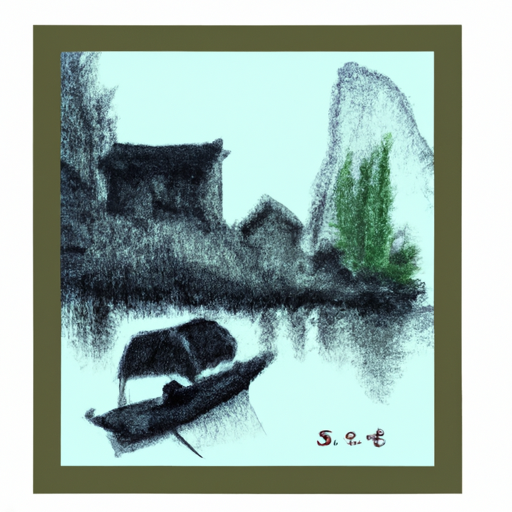
Traditional Chinese painting dates back to over 2000 years and is known for its use of ink and watercolors to depict landscapes, figures, and nature. The style emphasizes brushwork, harmony, and the use of negative space.
View StyleExplore Style
Woodblock Printing is a traditional form of printing that originated in East Asia during the 8th century. This technique involves carving an image onto a wooden block, inking it, and then pressing it onto paper or fabric. It gained significant popularity and recognition during the Edo period in Japan (1603-1868), where it became widely used for producing ukiyo-e prints. Woodblock Printing is famous for its intricate details, vibrant colors, and expressive lines, which were achieved through the skillful carving and printing process. This technique revolutionized the art of printmaking and had a significant influence on Western artists such as Vincent van Gogh and Claude Monet.
View StyleExplore Style