StylopediaStylopedia

Industrial design styles on Stylopedia

A visual encyclopedia of industrial design styles – use as prompt inspiration for Midjourney, Gemini, or ChatGPT AI when making industrial design images

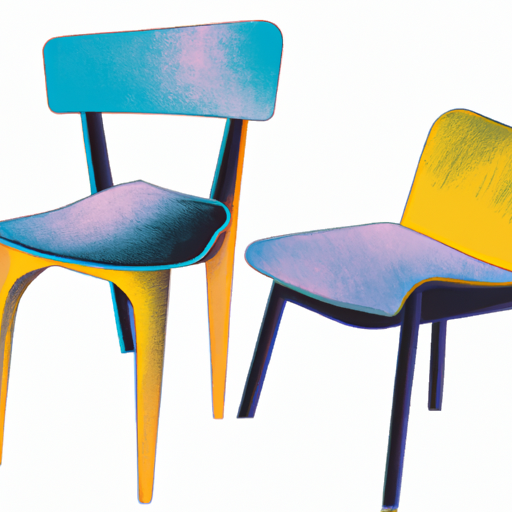
Example of visual style of Charles Eames

Charles Eames

The Charles Eames visual style emerged during the mid-20th century, from the 1940s to the 1970s. It is known for its innovative and iconic designs in furniture, architecture, and industrial design. Charles Eames, along with his wife Ray Eames, pioneered the use of new materials, especially molded plywood, in their creations. Their furniture pieces, such as the Eames Lounge Chair and Ottoman, became famous for their combination of comfort, functionality, and elegance. The Eameses' designs were characterized by clean lines, organic shapes, and a balance between form and function.

View StyleExplore Style

Example of visual style of Henry Dreyfuss

Henry Dreyfuss

Henry Dreyfuss was an American industrial designer who revolutionized the field of industrial design in the 20th century. His style, prevalent during the 1930s to 1950s, focused on creating functional, user-friendly and aesthetically pleasing designs. Dreyfuss believed that design should be centered around the needs and habits of the user, and his work is characterized by its ergonomic approach, simplicity, and efficiency. His famous designs include the iconic Bell Telephone, Honeywell thermostat, and the 20th Century Limited locomotive. His emphasis on human-centered design and user experience made him a pioneer in the field of industrial design.

View StyleExplore Style
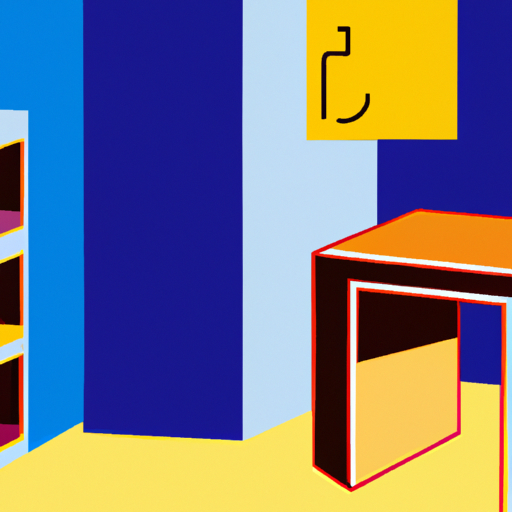
Example of visual style of Russian Constructivism

Russian Constructivism

Russian Constructivism was an influential art movement in Russia from 1919 to the early 1930s. It is characterized by geometric abstraction, industrial materials, and the belief that art should serve a social purpose. The movement gained fame for its innovative use of space, bold colors, and the incorporation of industrial design principles into art. Some prominent years for Russian Constructivism include the early 1920s when it started to gain momentum and the late 1920s when it faced suppression from the Soviet government.

View StyleExplore Style
Home