StylopediaStylopedia

Industrial styles on Stylopedia

A visual encyclopedia of industrial styles – use as prompt inspiration for Midjourney, Gemini, or ChatGPT AI when making industrial images

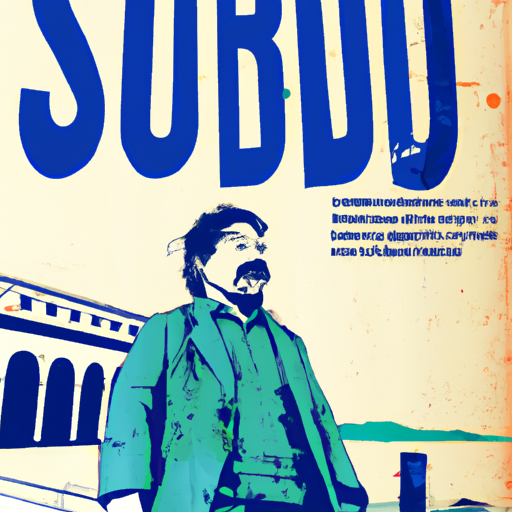
Example of visual style of Aleksandr Rodchenko

Aleksandr Rodchenko

Aleksandr Rodchenko was a Russian artist and graphic designer who was a key figure in the Constructivist movement. He is known for his innovative and avant-garde approach to visual art, particularly in the fields of photography, graphic design, and poster art. Active during the early 20th century, Rodchenko's work became famous for its geometric compositions, bold use of lines and shapes, and strong contrast between light and dark. His works often featured dynamic angles and perspectives, reflecting the modern and industrial era. Rodchenko's visual style was highly influential and played a significant role in shaping modern graphic design.

View StyleExplore Style
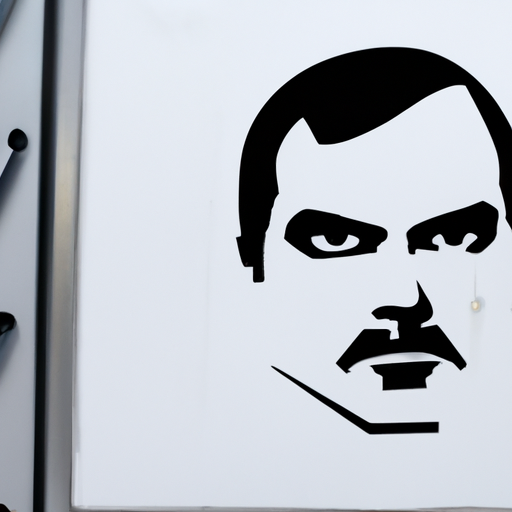
Example of visual style of Blade Runner

Blade Runner

Blade Runner is a dystopian science fiction style that emerged in the 1980s. It is known for its dark, futuristic cityscapes, neon-lit streets, heavy rain, and industrial decay. The style became famous for its unique blend of film noir and cyberpunk elements, creating a visually stunning world. It was popularized by the 1982 film 'Blade Runner' directed by Ridley Scott, which showcased the genre's signature visuals and became highly influential in the realm of science fiction filmmaking.

View StyleExplore Style
Example of visual style of Charles Sheeler

Charles Sheeler

Charles Sheeler was an American painter and photographer known for his precisionist style. His works, primarily created between 1910 and 1950, showcased a sharp and precise depiction of industrial and urban subjects. Sheeler's unique visual style, characterized by clean lines, geometric forms, and a focus on mechanical subjects, made him famous in the art world. His photographs of the Ford Motor Company's River Rouge plant established him as a pioneer of industrial photography. Sheeler's precisionist paintings and photographs captured the essence of modernization and the changing American landscape.

View StyleExplore Style
Example of visual style of Donald Deskey

Donald Deskey

The Donald Deskey visual style emerged in the early 20th century and gained prominence in the 1920s and 1930s. Known for its modern and industrial elements, this style combines sleek geometric shapes, bold colors, and streamlined forms. Donald Deskey, an American industrial designer, played a significant role in popularizing this style through his innovative designs for various projects such as the interiors of Radio City Music Hall and the Crest Room at the Waldorf Astoria hotel.

View StyleExplore Style
Example of visual style of Futurism Movement

Futurism Movement

Futurism was an artistic and social movement that emerged in Italy in the early 20th century. It was founded by the poet Filippo Tommaso Marinetti in 1909. Futurism celebrated modernity, technology, and the dynamism of the modern world. It aimed to capture the energy and speed of the fast-paced urban life that was prevalent during the industrial revolution. The movement was famous for its emphasis on movement, speed, and the portrayal of the mechanical and industrial aspects of society. It rejected traditional artistic forms and embraced new materials and techniques. Futurism reached its peak in popularity during the years 1909-1914.

View StyleExplore Style
Example of visual style of Hideo Kojima

Hideo Kojima

Hideo Kojima is a Japanese video game designer known for his distinctive visual style that combines cinematic storytelling with advanced technology. His style gained fame through the creation of the renowned 'Metal Gear' series which began in 1987. Kojima's visual style is characterized by intricate and detailed environments, futuristic and industrial settings, and a blend of realism and science fiction. His games often feature complex narratives with philosophical themes, exploring concepts of identity, power, and the nature of humanity. Kojima's unique visual style has made him one of the most influential figures in the gaming industry.

View StyleExplore Style
Example of visual style of Machine Age

Machine Age

Machine Age, also known as the Industrial style, emerged during the early 20th century (approximately 1910-1940). This visual style was influenced by the rapid advancements in technology and the rise of industrialization. It was characterized by an emphasis on geometric shapes, streamlined forms, and a celebration of industrial materials such as steel, glass, and concrete. Machine Age became famous for its sleek and futuristic aesthetic, inspired by the efficiency and precision of machines. It represented a departure from the ornate and decorative styles of the past, embodying a more minimalist and functional approach to design.

View StyleExplore Style
Example of visual style of Modern Design

Modern Design

Modern Design emerged during the early 20th century, influenced by the Industrial Revolution and advancements in technology. It is characterized by simplicity, functionality, and clean lines. The style became popular between the 1920s and 1950s, with notable movements such as the Bauhaus and the International Style. Modern Design rejected ornate decorations and focused on minimalism, using materials like steel, glass, and concrete. Its emphasis on practicality and mass production made it accessible and influential. Famous modern designers include Le Corbusier, Charles and Ray Eames, and Ludwig Mies van der Rohe.

View StyleExplore Style
Example of visual style of Nine Inch Nails

Nine Inch Nails

The visual style of Nine Inch Nails is known for its dark, industrial, and experimental aesthetic. It gained popularity in the late 1980s and early 1990s, coinciding with the rise of industrial rock music. Nine Inch Nails, led by Trent Reznor, became famous for their intense, angst-ridden lyrics and aggressive sound, which was reflected in their visual style. The style often incorporates gritty textures, distorted imagery, and a raw, gritty atmosphere. It combines elements of grunge, cyberpunk, and gothic styles, creating a visual representation of the band's dark and nihilistic themes.

View StyleExplore Style
Example of visual style of Peter Christopherson

Peter Christopherson

Peter Christopherson's visual style is characterized by its experimental and industrial aesthetics. Active from the 1970s until his death in 2010, Christopherson was a renowned English musician, video director, and graphic designer. He became famous for his work with the influential art collective COUM Transmissions, the pioneering electronic group Throbbing Gristle, and the experimental music project Coil. Christopherson's visual style often combined abstract and surreal elements with themes of sexuality, death, and occultism. His use of provocative and disturbing imagery made a significant impact on the underground music and art scenes.

View StyleExplore Style
Example of visual style of Productivism

Productivism

Productivism was an influential visual style that emerged in the early 20th century, particularly prominent in Russia. It was founded by a group of artists and designers who believed in the power of industrial production and technology to shape society. The movement gained fame during the years 1917-1932, with the rise of the Soviet Union and its focus on industrialization. Productivism emphasized functionality, efficiency, and mass production. It aimed to integrate art and design into everyday life, with a particular focus on creating aesthetically pleasing yet practical products and environments.

View StyleExplore Style
Example of visual style of Shiro Kuramata

Shiro Kuramata

Shiro Kuramata was a Japanese furniture designer known for his innovative and avant-garde designs. Active from the 1960s until his death in 1991, Kuramata became famous for his use of industrial materials and unconventional construction techniques. His works often blurred the boundaries between art and design, combining minimalism with surrealism. Kuramata's designs are characterized by their clean lines, transparency, and abstract shapes. He rose to fame in the 1970s with his iconic 'Glass Chair' and continued to push the boundaries of furniture design throughout the following decades.

View StyleExplore Style
Example of visual style of Standard Oil Building

Standard Oil Building

The Standard Oil Building style emerged in the late 19th and early 20th century, particularly between 1900 and 1930. It became famous for its architectural grandeur and robustness. The style was characterized by the use of steel structures and Beaux-Arts design principles. The Standard Oil Building in particular, built in 1885, showcased remarkable ornamentation and impressive height for its time. Its fame stemmed from being one of the first skyscrapers in the United States and a symbol of industrial prowess.

View StyleExplore Style
Example of visual style of The City Of Lost Children

The City Of Lost Children

The visual style of The City Of Lost Children, a film released in 1995 and directed by Jean-Pierre Jeunet and Marc Caro, is a dark and fantastical mix of steampunk, dystopia, and surrealism. This style is known for its intricate and meticulously designed sets, with a focus on industrial machinery, bizarre inventions, and twisted architecture. The film gained fame for its innovative use of practical effects and visual storytelling, creating a unique and haunting world where dreams and nightmares blend together.

View StyleExplore Style
Example of visual style of Trent Reznor

Trent Reznor

Trent Reznor is known for his dark and atmospheric visual style, which emerged in the late 1980s and gained popularity in the 1990s. His style is characterized by industrial aesthetics, gritty textures, and an emphasis on contrast. Reznor's use of stark lighting and shadows creates a moody and intense atmosphere, often reflecting the themes of his music. This visual style became famous through his work as the frontman of the band Nine Inch Nails and his collaborations with groundbreaking directors like David Fincher in the 2000s.

View StyleExplore Style
Example of visual style of Virgil Abloh

Virgil Abloh

Virgil Abloh is known for his minimalist, avant-garde visual style. His style emerged in the late 2000s and gained prominence in the 2010s. Abloh blends high fashion with streetwear, creating a unique aesthetic that challenges traditional notions of luxury. He is famous for using unexpected materials, like industrial hardware, and incorporating text-based messaging into his designs. Abloh's style embodies a hybrid of fashion, art, and design, reflecting the contemporary cultural landscape.

View StyleExplore Style

Home