StylopediaStylopedia

Immersive styles on Stylopedia

A visual encyclopedia of immersive styles – use as prompt inspiration for Midjourney, Gemini, or ChatGPT AI when making immersive images

Example of visual style of Aaron Koblin

Aaron Koblin

Aaron Koblin is a visual artist known for his data-driven and interactive artworks. His style emerged in the early 2000s, pioneering the intersection of art and technology. Koblin gained significant recognition for his project 'The Sheep Market' (2007), where he crowdsourced 10,000 drawings of sheep through an online platform, showcasing the power of collective creativity. His works often involve transforming complex data sets into visually captivating and immersive experiences.

View StyleExplore Style
Example of visual style of Adam Stockhausen

Adam Stockhausen

Adam Stockhausen is a visual style known for its meticulous attention to detail and striking design elements. This style gained prominence in the early 2010s through Stockhausen's work in various critically acclaimed films. With a focus on creating immersive and visually captivating environments, Adam Stockhausen's style has been lauded for its seamless integration of production design. He is best known for his work on films such as 'Moonrise Kingdom' (2012) and 'The Grand Budapest Hotel' (2014), which earned him an Academy Award for Best Production Design.

View StyleExplore Style
Example of visual style of Alex McDowell

Alex McDowell

The visual style of Alex McDowell is futuristic and immersive, blending architecture, technology, and storytelling in a seamless way. McDowell became famous for his groundbreaking work as a production designer in the late 1990s and early 2000s, bringing his unique visions to life in films like 'Fight Club' (1999), 'Minority Report' (2002), and 'The Terminal' (2004). His use of intricate set designs, innovative use of digital technologies, and meticulous attention to detail created visually stunning and fully realized worlds, transporting audiences into the future.

View StyleExplore Style
Example of visual style of Aline Bonetto

Aline Bonetto

Aline Bonetto is a production designer known for her work in film, particularly in the fantasy and science fiction genres. Her visual style is characterized by attention to detail and a strong emphasis on world-building. Bonetto's work became famous in the early 2000s when she collaborated with director Jean-Pierre Jeunet on the films 'Amélie' (2001) and 'A Very Long Engagement' (2004). Her meticulous set designs and imaginative environments created immersive and visually stunning worlds that captivated audiences.

View StyleExplore Style
Example of visual style of Andrea Arnold

Andrea Arnold

Andrea Arnold's visual style can be described as raw, gritty, and immersive. She is known for her realistic portrayals of working-class life, often focusing on characters on the fringes of society. Her handheld camera work and use of natural lighting give her films a documentary-like feel. Arnold rose to prominence in the 2000s with her short films and her debut feature, Red Road, which won the Jury Prize at the Cannes Film Festival in 2006. Her subsequent films Fish Tank (2009) and American Honey (2016) further solidified her reputation as a filmmaker with a distinct visual style.

View StyleExplore Style

Example of visual style of Animation Design

Animation Design

Animation Design is a visual style that involves the creation of moving images using various techniques like hand-drawn, stop-motion, computer-generated, and more. It gained prominence in the early 20th century with the introduction of animated films like Snow White and the Seven Dwarfs (1937) which showcased the potential of animation as a storytelling medium. Animation Design combines art and technology to bring inanimate objects or characters to life, captivating audiences with its whimsical and immersive worlds.

View StyleExplore Style
Example of visual style of Artists Using Pbr Techniques

Artists Using Pbr Techniques

Artists Using Pbr Techniques is a visual style that emerged in the late 20th century and gained popularity in the early 21st century. PBR, short for Physically Based Rendering, is a technique used in computer graphics to create realistic lighting and materials. Artists using PBR techniques employ advanced software and digital tools to create highly realistic and detailed rendered images. This style became famous for its ability to produce lifelike textures, lighting effects, and materials, resulting in visually stunning and immersive artworks.

View StyleExplore Style
Example of visual style of Bruce Shelley

Bruce Shelley

Bruce Shelley is a visual style that emerged in the late 20th century and is associated with the style of American video game designer Bruce Shelley. This style gained fame through the groundbreaking and influential games created by Shelley. His innovative designs and gameplay mechanics revolutionized the gaming industry, particularly in the real-time strategy genre. Bruce Shelley style is characterized by visually appealing graphics, immersive storytelling, strategic gameplay, and attention to detail. It became famous in the 1990s with the release of games like Age of Empires and Empire Earth.

View StyleExplore Style
Example of visual style of Catherine Martin

Catherine Martin

Catherine Martin is a visual style known for her distinctive and extravagant production designs primarily in the late 20th century and early 21st century. Her work is characterized by a blend of vintage aesthetics with a modern twist, creating visually stunning and immersive worlds. Martin gained fame for her work on movies like 'Moulin Rouge!' (2001) and 'The Great Gatsby' (2013), where she brought to life opulent and fantastical settings that define the style she has become renowned for.

View StyleExplore Style

Example of visual style of Civilization Series

Civilization Series

The visual style of the 'Civilization Series' is a combination of historical realism and artistic interpretation, creating a rich and immersive experience for players. The series, first introduced in 1991 by Sid Meier, has evolved over the years and gained fame for its iconic representation of civilizations, cultures, and historical periods. The primary focus is on strategy and civilization-building, with each game encompassing different time periods, such as ancient, medieval, and modern eras.

View StyleExplore Style

Example of visual style of Cliff Bleszinski

Cliff Bleszinski

Cliff Bleszinski is a video game designer known for his contemporary and highly detailed visual styles. His style emerged in the late 1990s and gained significant recognition in the early 2000s. Bleszinski's attention to intricate environments, realistic textures, and cutting-edge graphics technology allowed him to create immersive game worlds that captivated players. The meticulous attention to detail and the innovative use of lighting techniques made his visual style famous within the gaming industry.

View StyleExplore Style
Example of visual style of Computer Generated Imagery (CGI)

Computer Generated Imagery (CGI)

Computer Generated Imagery (CGI) is a visual style that refers to the creation of digital images using computer software. It became famous in the 1990s when advancements in technology allowed for more realistic and seamless integration of CGI elements in films and other media. This style revolutionized the entertainment industry by enabling filmmakers to create visually stunning and immersive worlds that were previously impossible to achieve using traditional techniques.

View StyleExplore Style
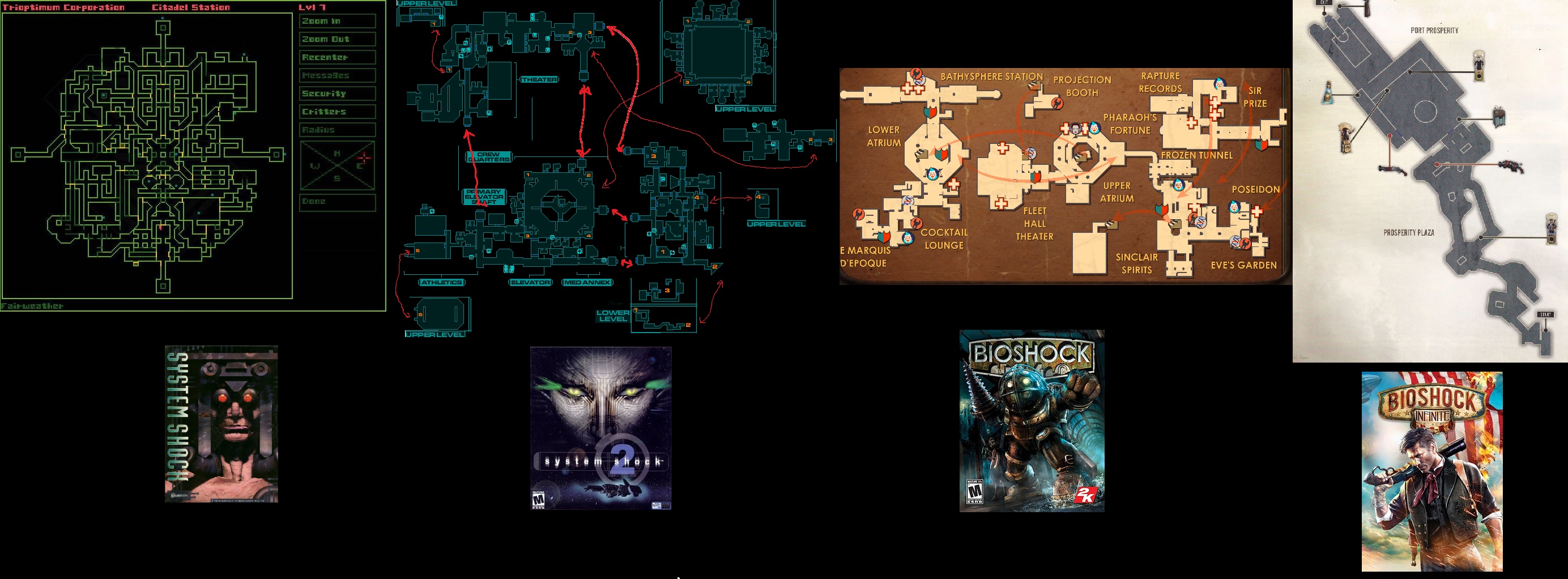
Example of visual style of Contemporary Animation

Contemporary Animation

Contemporary Animation refers to the current style of animation that has evolved from traditional hand-drawn and stop-motion techniques to computer-generated imagery (CGI) and digital animation. It became prominent in the late 20th century and continues to be a popular medium in the 21st century. The rise of advanced technology, software, and digital tools has significantly contributed to the fame of contemporary animation, allowing artists and filmmakers to create visually stunning and immersive animated works.

View StyleExplore Style
Example of visual style of Cryengine

Cryengine

Cryengine is a visually stunning style known for its realistic graphics and immersive environments. It rose to fame in the early 2000s with the release of the video game Far Cry, which showcased its powerful rendering capabilities and lifelike landscapes. Cryengine became famous for its ability to create breathtaking vistas, detailed textures, and advanced lighting effects that pushed the boundaries of what was possible in real-time rendering. The style continues to evolve and remains popular in the gaming industry, setting new standards for visual fidelity and creating highly immersive worlds.

View StyleExplore Style
Example of visual style of Crysis Series

Crysis Series

The Crysis Series is a visually stunning video game franchise known for its realistic graphics and immersive environments. Released by Crytek between 2007 and 2013, it became famous for pushing the boundaries of visual quality in gaming. The series' advanced game engine, CryEngine, enabled lifelike character models, dynamic lighting, and expansive open-world landscapes. With its futuristic settings and emphasis on high-tech weaponry, the Crysis Series captured the attention of gamers and showcased the potential of cutting-edge graphics technology.

View StyleExplore Style
Example of visual style of Crytek

Crytek

Crytek is a visually stunning style that became famous in the early 2000s through the Crysis video game series. It is characterized by highly detailed and realistic graphics, immersive environments, and advanced lighting effects. The Crytek style revolutionized the gaming industry by pushing the boundaries of what was possible in terms of visual fidelity. With its cutting-edge technology and attention to detail, Crytek's games created an unparalleled sense of realism for players.

View StyleExplore Style
Example of visual style of Dawn Of The Dead

Dawn Of The Dead

Dawn of the Dead is a visual style that emerged in horror films in the late 1970s and early 1980s, particularly popularized by the 1978 film of the same name directed by George A. Romero. This style is characterized by its gritty, low-budget aesthetics, desaturated colors, and graphic violence. The use of handheld camera work and realistic special effects contributed to the immersive and intense atmosphere, making it one of the most influential horror films of all time.

View StyleExplore Style
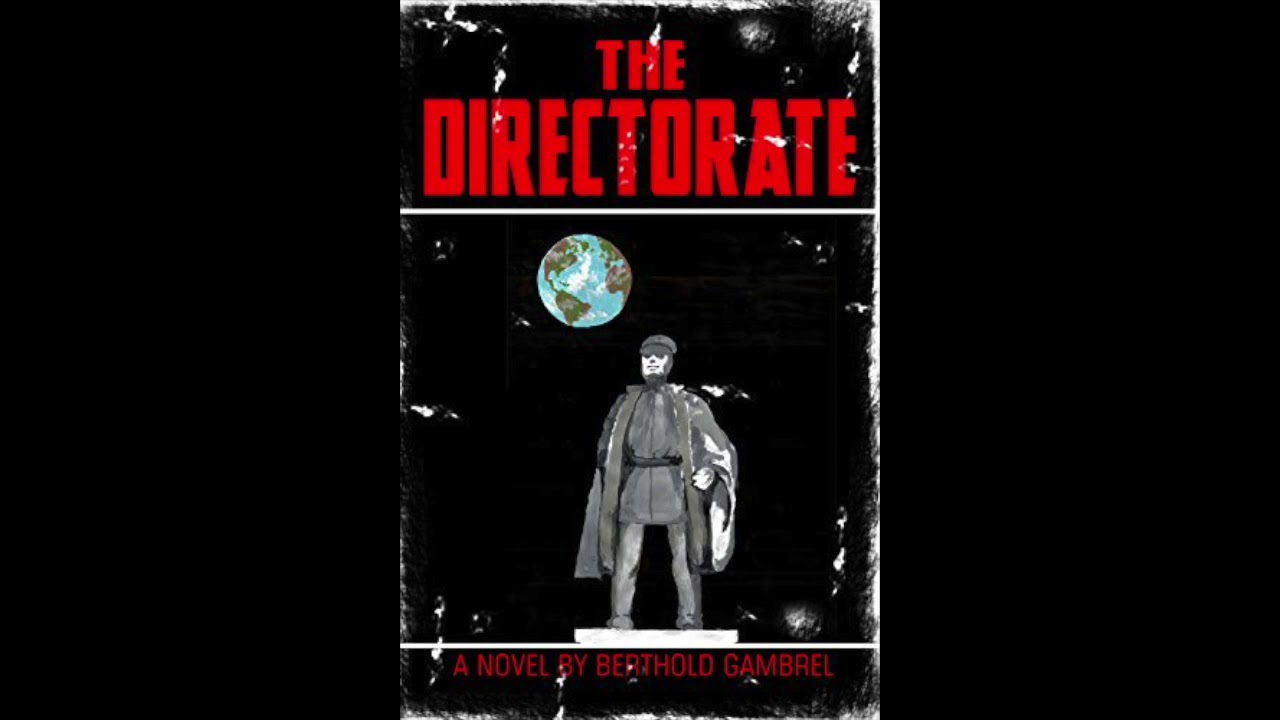
Example of visual style of Dennis Gassner

Dennis Gassner

Dennis Gassner is a renowned production designer known for his visually stunning and immersive style that combines grand scale with meticulous attention to detail. His work is characterized by a strong emphasis on creating unique and atmospheric environments. Gassner gained popularity in the late 1990s and is still active today. He is famous for his collaborations with directors like Sam Mendes and Denis Villeneuve, which resulted in critically acclaimed films such as 'Skyfall' and 'Blade Runner 2049'. Gassner's style became famous for its ability to seamlessly blend practical and digital effects, achieving a highly realistic and cohesive visual presentation.

View StyleExplore Style

Example of visual style of Doug Wheeler

Doug Wheeler

Doug Wheeler is an American interactive installation artist known for his use of light and space. He rose to prominence in the 1960s and 1970s as part of the Light and Space movement in Southern California. Wheeler's installations create immersive environments that manipulate perception and challenge traditional notions of space. His work often involves the use of fluorescent lights, translucent materials, and carefully controlled lighting to create ethereal and otherworldly experiences.

View StyleExplore Style
Example of visual style of Eiji Aonuma

Eiji Aonuma

Eiji Aonuma is a Japanese video game designer known for his work on The Legend of Zelda series. He became the series producer and director starting from the release of The Legend of Zelda: Ocarina of Time in 1998. Aonuma's visual style is characterized by immersive and expansive worlds, intricate puzzles, and a blend of fantasy and adventure. He is famous for his contributions to the series, especially for his emphasis on exploration, intricate storytelling, and a sense of wonder. Aonuma's work has greatly influenced the action-adventure genre of video games.

View StyleExplore Style
Home