
StylopediaStylopedia

Imaginative styles on Stylopedia

A visual encyclopedia of imaginative styles – use as prompt inspiration for Midjourney, Gemini, or ChatGPT AI when making imaginative images

Example of visual style of Adventure Time

Adventure Time

Adventure Time is a visually distinct animated television series that aired from 2010 to 2018. It is famous for its unique, vibrant and surreal visuals, which combine bright and bold colors, geometric shapes, and abstract designs. The style incorporates a mix of 2D and 3D animation techniques to create a visually stunning and immersive world. Adventure Time gained fame for its quirky and imaginative characters, whimsical settings, and its ability to appeal to both children and adults, thus becoming a cult hit.

View StyleExplore Style
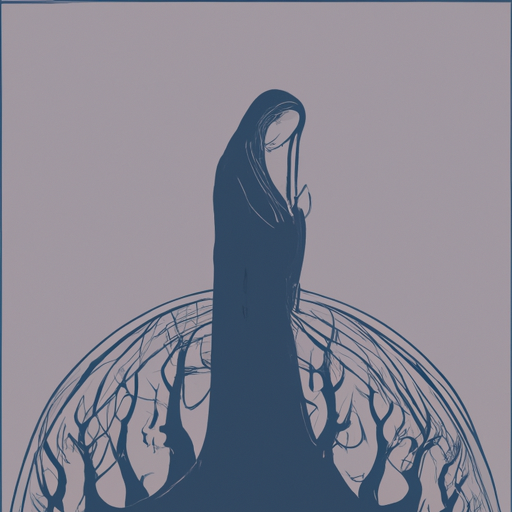
Example of visual style of Andre Breton

Andre Breton

Andre Breton is a visual style that originated in the 1920s with the Surrealist movement. It is characterized by dreamlike and imaginative imagery, often inspired by the subconscious. Breton, along with other artists and writers, sought to explore the realms of the unconscious mind to create works that challenged conventional ideas and norms. The style became famous for its use of juxtaposition, unexpected combinations, and strange or distorted forms. It was a revolution in artistic expression that transformed the art world.

View StyleExplore Style
Example of visual style of Animation

Animation

Animation is a visual style that involves bringing static images or objects to life through the illusion of motion. It has been a popular form of visual media since the early 20th century, with important milestones including the creation of the first animated film, 'The Humorous Phases of Funny Faces' by J. Stuart Blackton in 1906, and the establishment of Walt Disney Studios in 1923. Animation gained widespread fame through the introduction of sound in 'Steamboat Willie' (1928), which featured Mickey Mouse, and the release of Disney's 'Snow White and the Seven Dwarfs' in 1937, the first full-length animated feature film. Animation has since become an integral part of film and television, entertaining audiences of all ages with its imaginative storytelling and unique visual effects.

View StyleExplore Style
Example of visual style of Anime Directors

Anime Directors

Anime Directors is a visual style rooted in the world of Japanese animation. It emerged in the mid-20th century and gained global recognition in the late 20th and early 21st centuries. Anime Directors are known for their unique storytelling techniques, distinct character designs, vibrant color palettes, and often fantastical and imaginative worlds. This style became famous for its ability to captivate audiences with emotionally-driven narratives, complex themes, and visually stunning animation. Some notable years for Anime Directors include the 1980s and 1990s, featuring works by influential directors like Hayao Miyazaki and Mamoru Oshii. This style continues to evolve and inspire artists and filmmakers worldwide.

View StyleExplore Style
Example of visual style of Annie Leibovitz

Annie Leibovitz

Annie Leibovitz is known for her innovative and imaginative approach to portraiture. Her style emerged in the 1970s and gained fame through her work for Rolling Stone magazine. Leibovitz became renowned for her use of bold colors, dramatic lighting, and creative compositions that captured the essence and personality of her subjects, often celebrities. She produced iconic images that pushed the boundaries of traditional portraiture and became a pioneer in the field of celebrity photography.

View StyleExplore Style
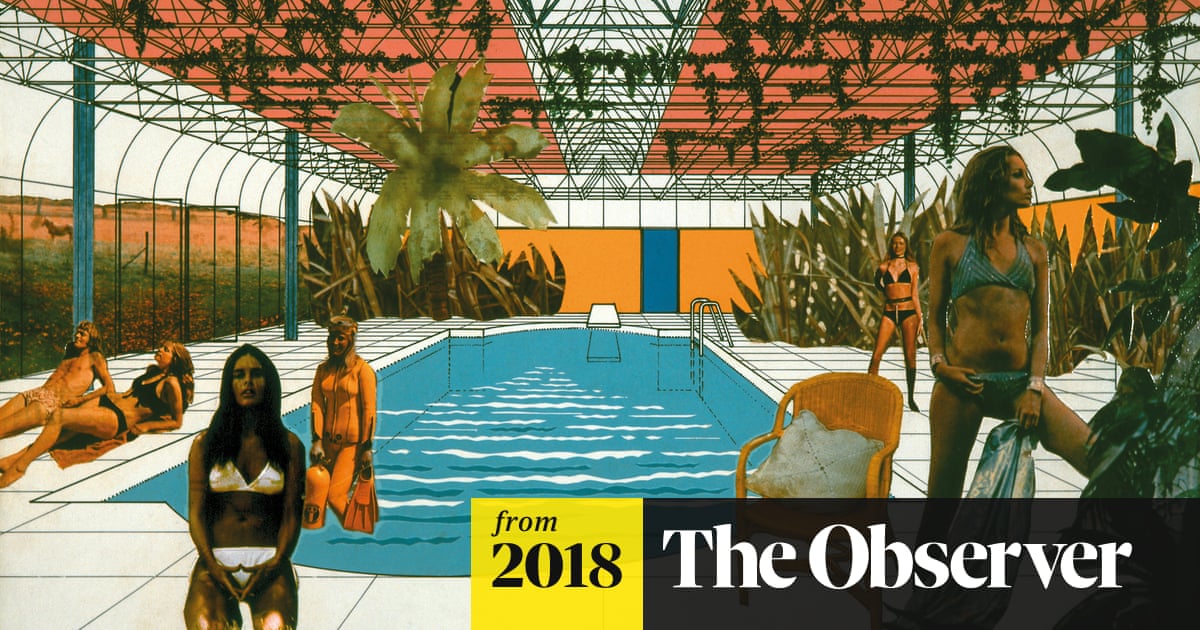
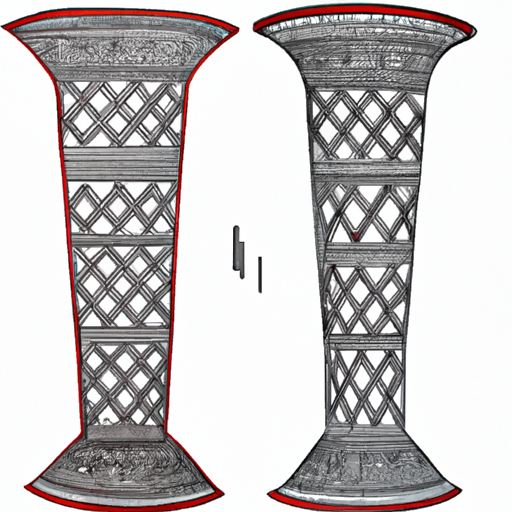
Example of visual style of Archigram

Archigram

Archigram is an avant-garde architectural design collective that was active during the 1960s. Known for their imaginative and futuristic proposals, Archigram pushed the boundaries of traditional architecture and embraced technology, pop culture, and science fiction influences. The group gained fame for their iconic projects such as the Walking City and Plug-in City, which envisioned mobile and adaptable environments that could be disassembled and reconfigured. Archigram's style captured the spirit of the '60s counterculture and embraced the emerging digital age, making them pioneers in the field of speculative and conceptual architecture.

View StyleExplore Style
Example of visual style of Aubrey Powell

Aubrey Powell

Aubrey Powell is a British graphic designer and one of the co-founders of the design company Hipgnosis. He is best known for his revolutionary album cover designs in the 1960s and 1970s, which helped define the visual identity of rock and roll. Powell's style was characterized by surreal and imaginative concepts, combining photography, illustration, and graphic design to create visually stunning and iconic album covers. Some of his most famous works include covers for Pink Floyd's 'The Dark Side of the Moon' and Led Zeppelin's 'Houses of the Holy'. Powell's innovative approach to album cover design revolutionized the industry and made him a pioneer in the field.

View StyleExplore Style
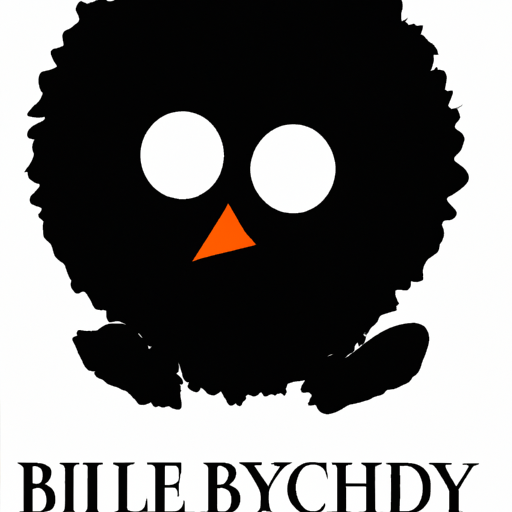
Example of visual style of Bill Watterson

Bill Watterson

Bill Watterson is known for his distinctive visual style that he developed in his comic strip 'Calvin and Hobbes', which ran from 1985 to 1995. His style is characterized by its expressive and detailed drawings, with a focus on the imaginative and playful world of a young boy named Calvin and his stuffed tiger friend, Hobbes. Watterson's use of dynamic poses, exaggerated facial expressions, and intricate background details helped bring his characters and their world to life. His comic strip gained widespread popularity and critical acclaim, earning him numerous accolades and a devoted fanbase.

View StyleExplore Style
Example of visual style of Bodys Isek Kingelez

Bodys Isek Kingelez

Bodys Isek Kingelez is a Congolese artist known for his intricate and fantastical architectural models. From the 1970s until his death in 2015, Kingelez created vibrant and imaginative sculptures that envisioned an idealized future for his native Democratic Republic of Congo. His works, often made from colorful paper, plastic, and other everyday materials, depicted otherworldly cities and buildings filled with hope, optimism, and a rejection of the urban decay and political strife of his time.

View StyleExplore Style
Example of visual style of Calvin And Hobbes

Calvin And Hobbes

Calvin and Hobbes is a comic strip that was created by Bill Watterson in 1985 and ran until 1995. The visual style of Calvin and Hobbes is characterized by its simple and expressive art, with clean lines and minimalistic backgrounds. The comic strip gained fame for its imaginative and philosophical storytelling, as well as its ability to tackle complex themes in a relatable and humorous manner. Calvin and Hobbes became famous for its wit, charm, and the endearing relationship between the young, imaginative boy Calvin and his wise and mischievous stuffed tiger, Hobbes.

View StyleExplore Style
Example of visual style of Childrens Illustration

Childrens Illustration

Childrens Illustration is a style of art that is characterized by its whimsical and imaginative nature. It became popular in the late 19th and early 20th centuries with the rise of children's literature and books. This style incorporates bright and vibrant colors, simple shapes, and playful characters to engage young readers. Famous artists like Beatrix Potter, Maurice Sendak, and Dr. Seuss popularized this style through their iconic illustrations in children's books. It continues to be a beloved style in children's literature and has influenced many contemporary illustrators.

View StyleExplore Style
Example of visual style of Childrens Literature

Childrens Literature

Childrens Literature style refers to the visual style often found in books or illustrations targeted towards children. It became popular in the late 19th and early 20th centuries with the emergence of classic children's books such as 'Alice's Adventures in Wonderland' and 'The Wind in the Willows'. This style is characterized by colorful and whimsical illustrations, imaginative worlds, anthropomorphic animal characters, and a focus on storytelling that captures the imagination of young readers.

View StyleExplore Style
Example of visual style of David A Hardy

David A Hardy

David A Hardy is a British space artist known for his vibrant and imaginative depictions of space and science fiction scenes. His style emerged in the 1950s and became famous for its attention to detail, bold use of color, and futuristic imagery. Hardy's work gained recognition through his illustrations for popular science fiction books by authors like Arthur C. Clarke and Isaac Asimov. He is renowned for capturing the wonder and excitement of space exploration through his unique blend of science and art.

View StyleExplore Style
Example of visual style of Don Dixon

Don Dixon

The Don Dixon visual style emerged in the 1970s and gained significant popularity in the 1980s. Known for his vivid and highly detailed science fiction and astronomical illustrations, Dixon's work encapsulated the spirit of space exploration and futuristic concepts. His illustrations were characterized by a combination of technical precision and imaginative storytelling, bringing to life the wonders of the cosmos. Dixon's attention to scientific accuracy and his ability to create breathtaking scenes filled with otherworldly landscapes and space vehicles made his work iconic in the field of space art.

View StyleExplore Style

Example of visual style of Doug Chiang

Doug Chiang

Doug Chiang is a visual artist known for his futuristic and imaginative style. His work spans a variety of mediums including concept design, illustration, and art direction. Chiang gained recognition in the late 1990s when he worked as the design director for Star Wars Episode I: The Phantom Menace, where he created iconic designs like the podracers and the Naboo Starfighter. His intricate and innovative designs have continued to shape the visual style of numerous films, including Rogue One: A Star Wars Story (2016) and The Force Awakens (2015). Chiang's combination of technical skill and imaginative vision has made him one of the most influential visual artists in the entertainment industry.

View StyleExplore Style

Example of visual style of Dr Slump

Dr Slump

Dr Slump is a manga and anime series created by Akira Toriyama. It was first serialized in Weekly Shonen Jump from 1980 to 1984 and later adapted into an animated TV series. The visual style of Dr Slump is characterized by its quirky and cartoonish art, with exaggerated expressions, comical character designs, and vibrant colors. It became famous for its humor, wacky characters, and imaginative storytelling, making it a beloved and influential series in the world of manga and anime.

View StyleExplore Style
Example of visual style of Et The Extra Terrestrial

Et The Extra Terrestrial

The visual style of 'Et The Extra Terrestrial' is a heartwarming blend of science fiction and fantasy. Released in 1982, the film became famous for its emotional storytelling, iconic imagery, and imaginative effects. Directed by Steven Spielberg, this style is characterized by its whimsical and otherworldly atmosphere, showcasing a child's perspective and sense of wonder when encountering an alien. It captured the hearts of millions and is regarded as a classic in cinema history.

View StyleExplore Style
Example of visual style of Fantasy Filmmaking

Fantasy Filmmaking

Fantasy Filmmaking is a visual style characterized by its imaginative and magical elements. It often combines elements of mythology, folklore, and fairy tales to create a world of wonder and enchantment. This style gained popularity in the early 20th century with iconic films like 'The Wizard of Oz' (1939) and 'Snow White and the Seven Dwarfs' (1937). The use of vibrant colors, otherworldly creatures, and breathtaking landscapes are key features that made this style famous. It transports viewers to fantastical realms filled with dragons, witches, and heroic quests, captivating audiences with its sense of wonder and escapism.

View StyleExplore Style
Example of visual style of Fantasy Films

Fantasy Films

Fantasy Films is a visual style that focuses on creating magical and imaginative worlds through the use of special effects and otherworldly elements. This style became famous in the early 20th century with the advent of cinema and the desire to transport audiences into fantastical realms. It gained popularity with iconic films such as The Wizard of Oz (1939) and later with franchises like The Lord of the Rings (2001-2003) and Harry Potter (2001-2011). Through the use of enchanting settings, mythical creatures, and epic narratives, fantasy films captivate viewers with their ability to suspend reality and immerse audiences in extraordinary storytellings.

View StyleExplore Style
Example of visual style of Fosters Home For Imaginary Friends

Fosters Home For Imaginary Friends

The visual style of 'Fosters Home For Imaginary Friends' is a vibrant and colorful animated style that combines traditional 2D animation with modern digital techniques. The show premiered in 2004 and gained popularity for its unique concept of a home for imaginary friends. The style is characterized by its whimsical and imaginative character designs, playful use of color, and exaggerated proportions. Its fame can be attributed to its witty storytelling, relatable themes, and visually appealing animation.

View StyleExplore Style
Example of visual style of Frank R Paul

Frank R Paul

Frank R. Paul was an American science fiction illustrator who played a significant role in shaping the visual style of early science fiction. His work became famous in the early 20th century, particularly from the 1910s to the 1940s. Known as the 'father of science fiction illustration', Paul's art featured imaginative and futuristic landscapes, spacecraft, robots, and aliens. His use of vibrant colors and intricate details brought his visions to life, captivating readers and setting the stage for modern science fiction visual storytelling.

View StyleExplore Style
Example of visual style of Futurama

Futurama

Futurama is an animated television series that premiered in 1999 and ran until 2003, with additional episodes produced between 2008 and 2013. The visual style of Futurama is characterized by its futuristic and imaginative setting, blending science fiction elements with humor and social satire. The show's animation features bold and vibrant colors, sleek futuristic designs, and a blend of 2D and 3D animation techniques. Futurama gained fame for its unique blend of witty writing, memorable characters, and its satirical take on various aspects of modern society.

View StyleExplore Style

Example of visual style of Gerald Brom

Gerald Brom

Gerald Brom is a renowned dark fantasy artist known for his haunting and macabre imagery. His visual style gained popularity in the 1990s and continues to be influential today. Brom's work is characterized by its detailed and evocative portrayal of dark and fantastical subjects such as demons, monsters, vampires, and post-apocalyptic worlds. His unique combination of imaginative storytelling, skillful technique, and richly textured illustrations has made him famous in the genre.

View StyleExplore Style
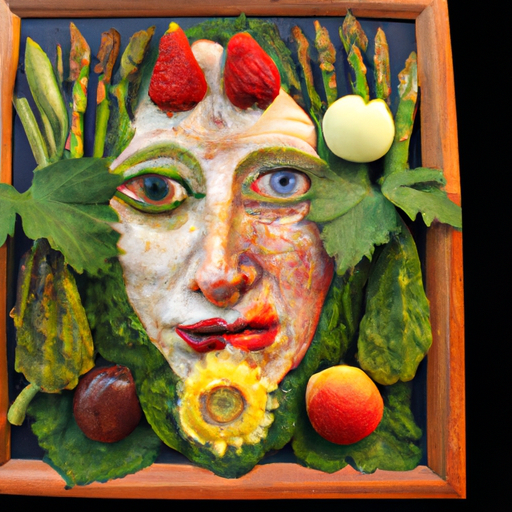
Example of visual style of Giuseppe Arcimboldo

Giuseppe Arcimboldo

Giuseppe Arcimboldo was an Italian painter known for his imaginative and unique style, often referred to as 'composite portraiture'. He rose to fame during the late 16th century in Renaissance Europe. Arcimboldo's distinctive artistic approach involved creating portraits by assembling various objects such as fruits, vegetables, flowers, and even books, into human forms. This experimental technique challenged traditional portraiture and showcased his exceptional creativity and skill.

View StyleExplore Style
Example of visual style of Grace Coddington

Grace Coddington

Grace Coddington is a British Vogue creative director known for her iconic style and influential contributions to fashion photography. She rose to prominence in the 1960s and 1970s, working with renowned photographers such as Norman Parkinson and Helmut Newton. Her imaginative and whimsical approach to storytelling through fashion editorials has made her a legend in the industry. Coddington's ability to create visually captivating narratives using clothing and props has earned her widespread recognition and admiration.

View StyleExplore Style
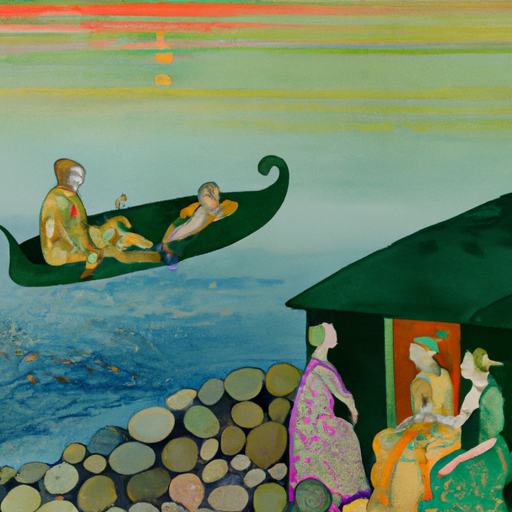
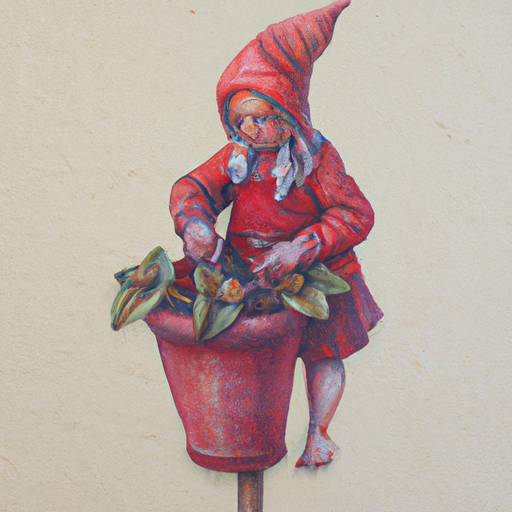
Example of visual style of Hans Christian Andersen

Hans Christian Andersen

The Hans Christian Andersen visual style, popular during the 19th century, is characterized by folk-inspired illustrations that often depict whimsical and fantastical elements. This style gained fame due to the illustrations created by Danish author and fairy tale writer Hans Christian Andersen, who collaborated with numerous artists to bring his stories to life in captivating visual form. The illustrations typically feature a mix of intricate details, vibrant colors, and imaginative scenes, providing a magical and enchanting atmosphere to complement the fairy tales.

View StyleExplore Style

Example of visual style of Herbert George Wells

Herbert George Wells

Herbert George Wells, also known as H.G. Wells, was a prominent British author, best known for his science fiction novels and short stories. Active during the late 19th century and early 20th century, Wells's work gained fame for its imaginative concepts, futuristic settings, and social commentary. He pioneered the subgenre of scientific romance and popularized the concept of time travel through his novel 'The Time Machine' (1895). Wells's visual style resonated with a sense of adventure, blending fantastical elements with a touch of realism to create vivid and immersive worlds.

View StyleExplore Style
Example of visual style of Hipgnosis

Hipgnosis

Hipgnosis was a design company in the 1970s known for their innovative and surreal album cover designs. They revolutionized the concept of album art by creating fantastical and thought-provoking visuals that went beyond mere promotion. Their designs were famous for incorporating surreal imagery, distorted perspectives, and collages. Hipgnosis became synonymous with iconic album covers during the 1970s, with works for bands like Pink Floyd, Led Zeppelin, and Genesis becoming instantly recognizable.

View StyleExplore Style
Example of visual style of Hiroyuki Yamaga

Hiroyuki Yamaga

Hiroyuki Yamaga is a Japanese director and screenwriter known for his unique visual style in anime. He gained recognition in the late 1980s and early 1990s as one of the co-founders of the animation studio Gainax. Yamaga's style is characterized by its attention to detail, vibrant color palettes, and fluid animation. His works often feature imaginative and surreal storytelling, with a blend of science fiction and fantasy elements. Yamaga's films and TV series, such as 'Wings of Honneamise' (1987) and 'Neon Genesis Evangelion' (1995), have become iconic and influential in the anime industry.

View StyleExplore Style
Home