StylopediaStylopedia

Imagination styles on Stylopedia

A visual encyclopedia of imagination styles – use as prompt inspiration for Midjourney, Gemini, or ChatGPT AI when making imagination images

Example of visual style of Aerospace Art

Aerospace Art

Aerospace Art is a visual style that emerged in the mid-20th century and continues to thrive today. It is a genre that showcases artistic interpretations of various aspects of aviation, aerospace technology, and space exploration. With its emphasis on capturing the spirit of flight and the awe-inspiring nature of outer space, Aerospace Art has gained popularity for its ability to combine technical accuracy with artistic expression. This style became famous during the mid-20th century as space exploration captured the imagination of the world, and artists began to depict futuristic spacecraft and celestial landscapes. It continues to be important today as it celebrates humanity's fascination with the skies and beyond.

View StyleExplore Style


Example of visual style of Alice In Wonderland

Alice In Wonderland

Alice In Wonderland is a whimsical and fantastical visual style that gained popularity in the mid-19th century. It became famous through Lewis Carroll's novel 'Alice's Adventures in Wonderland' and its subsequent adaptations. This style is characterized by surreal and exaggerated elements, vivid and vibrant colors, anthropomorphic creatures, intricate patterns, and a sense of playfulness. It is inspired by the Victorian era and often incorporates elements of fantasy and imagination.

View StyleExplore Style
Example of visual style of Clive Barker

Clive Barker

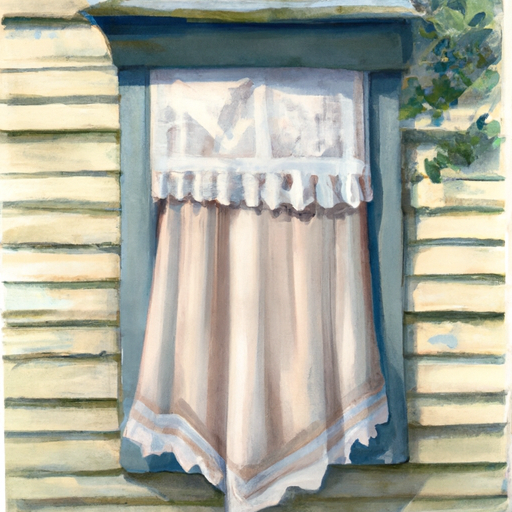
The Clive Barker style can be described as dark, macabre, and fantastical. It emerged in the 1980s and gained fame through Barker's works as a writer, filmmaker, and visual artist. Known for his horror fiction, Barker created a unique and visually striking aesthetic that blends elements of fantasy, surrealism, and grotesque imagery. His vivid imagination and storytelling abilities made him a prominent figure in the horror genre. Barker's style often explores themes of sexuality, body horror, and the blurred lines between the real and the supernatural.

View StyleExplore Style
Example of visual style of Concept Art Illustration

Concept Art Illustration

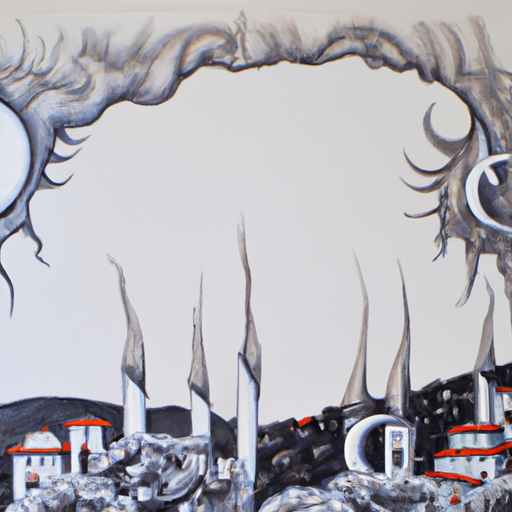
Concept Art Illustration is a style of visual art that is used for designing and developing ideas for various media, particularly for films, video games, and animation. It emerged in the mid-20th century and gained popularity in the 1970s and 1980s. This style became famous for its ability to create imaginative and fantastical worlds and characters through detailed and often highly rendered illustrations. Concept artists are known for their use of vibrant colors, intricate details, and strong storytelling elements.

View StyleExplore Style
Example of visual style of Dystopian Fiction

Dystopian Fiction

Dystopian Fiction is an imaginative style that portrays a future society characterized by oppressive control, dehumanization, and deterioration. It rose to prominence in the early 20th century with novels like Aldous Huxley's 'Brave New World' (1932) and George Orwell's '1984' (1949). Dystopian Fiction gained further popularity through films like 'Blade Runner' (1982) and 'The Matrix' (1999), which showcased dark and bleak futuristic landscapes ruled by totalitarian regimes.

View StyleExplore Style

Example of visual style of Federico Fellini

Federico Fellini

Federico Fellini was an Italian film director and screenwriter who played a significant role in the development of Italian neorealism and surrealism. His visual style, primarily showcased in the 1950s and 1960s, revolutionized the way stories were told on screen. His films were known for their outrageous and extravagant imagery, dreamlike sequences, larger-than-life characters, and a meticulous attention to detail. Fellini's famous works such as 'La Dolce Vita' (1960) and '8½' (1963) introduced a new era of storytelling in cinema by blending fantasy with reality and blurring the line between imagination and truth.

View StyleExplore Style
Example of visual style of Ken Adam

Ken Adam

Ken Adam is known for his iconic production designs in many James Bond films, including Dr. No (1962) and Goldfinger (1964). He revolutionized the Bond series and the world of production design by creating extravagant and futuristic sets, often characterized by their clean lines, bold colors, and innovative use of space. Ken Adam's visual style became famous for its larger-than-life and highly detailed sets, combining imagination with a sense of realism. His work in the Bond franchise set a benchmark for future action films and earned him numerous accolades.

View StyleExplore Style

Example of visual style of Lois Ehlert

Lois Ehlert

Lois Ehlert is known for her vibrant and playful visual style that captures the essence of nature and childhood. She gained popularity in the late 1980s and early 1990s with her unique collage illustrations in children's books. Ehlert's signature style combines vivid colors, bold shapes, and textured patterns, creating a visually stimulating experience for young readers. Her books often feature cut-paper illustrations that are arranged in a dynamic and engaging manner. Ehlert's use of found objects, natural materials, and bright hues brings her artwork to life and invites readers into a world of imagination and discovery.

View StyleExplore Style

Example of visual style of Marc Chagall

Marc Chagall

Marc Chagall was a prominent artist known for his unique style that combined elements of Surrealism, Cubism, and Fauvism. Active during the early 20th century, Chagall's work became famous for its dreamlike and poetic imagery. His use of vibrant colors, floating objects, and distorted perspectives created a sense of fantasy and whimsy in his paintings. Chagall's distinctive style gained recognition for its ability to evoke emotions and capture the imagination of viewers.

View StyleExplore Style

Example of visual style of Maurice Sendak

Maurice Sendak

Maurice Sendak's visual style, which emerged in the mid-20th century, is renowned for its whimsical and dark illustrations that capture the imagination of both children and adults. He gained fame with his iconic book 'Where the Wild Things Are' published in 1963, which showcased his ability to portray complex emotions through his characters and settings. Sendak's mastery of intricate line work, cross-hatching, and use of muted colors sets his visual style apart. His ability to blend both realism and imagination creates an enchanting and dream-like world that has captivated generations.

View StyleExplore Style
Example of visual style of Mister Rogers

Mister Rogers

The visual style of Mister Rogers is characterized by simplicity, warmth, and familiarity. It gained popularity during the years of 1968 to 2001 through the television show 'Mister Rogers' Neighborhood', hosted by Fred Rogers. The style became famous for its inviting set design featuring a cozy house with familiar furnishings, bright colors, and handcrafted details. This style is known for its emphasis on creating a safe and comfortable environment for children, encouraging imagination, and promoting kindness and empathy.

View StyleExplore Style

Example of visual style of Rob Gonsalves

Rob Gonsalves

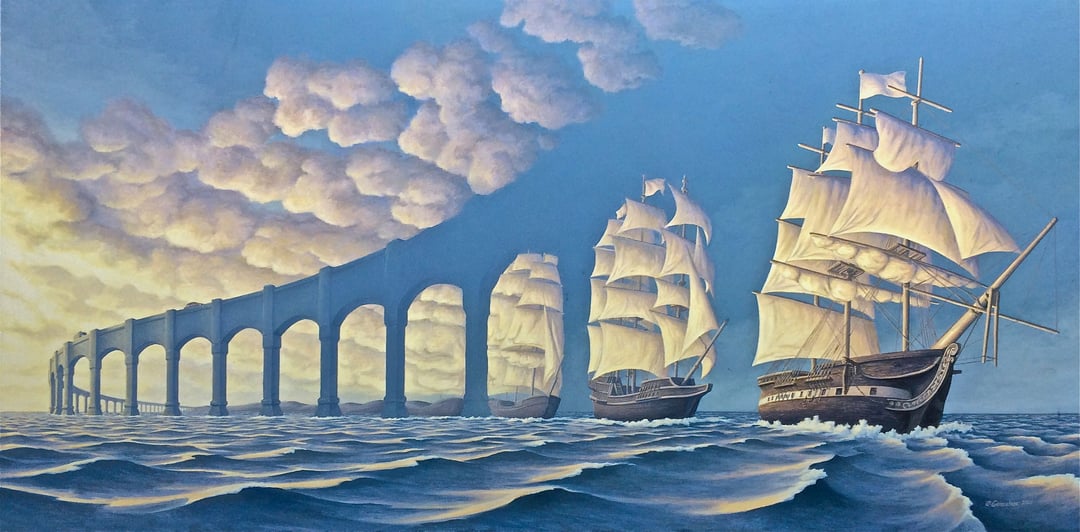
Rob Gonsalves is a Canadian painter known for his style of magical realism. His paintings feature stunning scenes that seamlessly blend multiple realities and perspectives, creating optical illusions and mind-bending visuals. Gonsalves gained fame in the late 1990s and early 2000s for his unique and imaginative artwork. He became known for his ability to depict scenes where the boundaries between reality and imagination are blurred, often incorporating architectural elements and natural landscapes. His paintings invite viewers to question the nature of perception and challenge the limitations of the human eye.

View StyleExplore Style
Example of visual style of Romanticism

Romanticism

Romanticism was a 19th-century artistic and intellectual movement characterized by a focus on emotion, imagination, and individualism. It emerged as a reaction against the Industrial Revolution and Enlightenment ideals, gaining prominence from the late 18th century to the mid-19th century. Romanticism emphasized subjective expression, sublime landscapes, and an appreciation of nature's beauty. It celebrated the heroic and the passionate, often portraying tales of love, tragedy, and the supernatural. Famous artists associated with Romanticism include William Turner, Caspar David Friedrich, and Eugène Delacroix.

View StyleExplore Style
Example of visual style of Salvador Dalí

Salvador Dalí

Salvador Dalí was a Spanish surrealist artist known for his dreamlike and outlandish creations. Active during the mid-20th century, Dalí's work became famous for its unique blend of imagination, symbolism, and meticulous details. His style often featured melting clocks, distorted figures, and bizarre landscapes, which were aimed at portraying the unconscious mind. Dalí's most iconic works include 'The Persistence of Memory' (1931) and 'The Elephants' (1948). These pieces, along with his eccentric personality and trademark mustache, contributed to his fame as one of the most recognizable and influential artists of the surrealist movement.

View StyleExplore Style
Example of visual style of Science Fiction Films

Science Fiction Films

Science Fiction Films is a visual style characterized by futuristic and technological elements, often set in space or dystopian worlds. It emerged in the early 20th century, gaining popularity in the 1950s and 1960s with iconic films like 'The Day the Earth Stood Still' (1951) and '2001: A Space Odyssey' (1968). These films introduced groundbreaking visual effects, portraying advanced technology, alien worlds, and imaginative landscapes. Science Fiction Films often explore themes of future societies, time travel, extraterrestrial life, and the impact of technology on humanity, captivating audiences with the possibilities and dangers of a technologically advanced future.

View StyleExplore Style
Example of visual style of Steven Spielberg

Steven Spielberg

The Steven Spielberg visual style is characterized by a mix of adventurous storytelling, emotional depth, and iconic cinematic moments. Spielberg is known for his ability to blend genres and create thrilling and imaginative visual experiences that captivate audiences. He gained prominence in the late 1970s and 1980s with films like 'Jaws' (1975), 'Close Encounters of the Third Kind' (1977), and 'E.T. the Extra-Terrestrial' (1982), which set new standards for visual effects and storytelling in the industry. His style often includes sweeping camera movements, immersive point-of-view shots, and dynamic editing, all aimed at evoking strong emotions from the viewers.

View StyleExplore Style
Example of visual style of Surrealist Movement

Surrealist Movement

The Surrealist Movement, which emerged in the early 1920s, sought to explore the irrational and subconscious mind through art. It became famous for its dreamlike and imaginative imagery that challenged the boundaries of reality. Influenced by psychoanalysis and Freudian theories, Surrealism aimed to liberate the creativity buried deep within the unconscious. Renowned artists associated with this movement include Salvador Dalí, René Magritte, and Max Ernst.

View StyleExplore Style
Example of visual style of Symbolism

Symbolism

Symbolism is an artistic movement that emerged in late 19th century Europe. It reached its peak between 1885 and 1900, gaining fame for its exploration of mystical and symbolist themes. Symbolism was a reaction against the increasing industrialization of society and sought to convey deeper meanings through the use of symbols and allegories. This style is characterized by its emphasis on imagination, subjective emotions, and the spiritual realm. Artists employed vivid colors, dreamlike imagery, and unconventional compositions to express their inner thoughts and emotions.

View StyleExplore Style
Example of visual style of Visual Effects

Visual Effects

Visual Effects is a style that involves the integration of computer-generated imagery (CGI) with live-action footage to create realistic or fantastical visual elements. It gained prominence in the late 20th century with the advancement of digital technology and has since become a staple in the film industry. Famous for its ability to bring unimaginable worlds and creatures to life, Visual Effects have revolutionized storytelling and allowed filmmakers to push the boundaries of imagination. Important years for Visual Effects include the 1990s with the groundbreaking films Jurassic Park and Titanic, which set new standards for the use of CGI in movies.

View StyleExplore Style
Home