StylopediaStylopedia

Imagery styles on Stylopedia

A visual encyclopedia of imagery styles – use as prompt inspiration for Midjourney, Gemini, or ChatGPT AI when making imagery images

Example of visual style of Chip Kidd

Chip Kidd

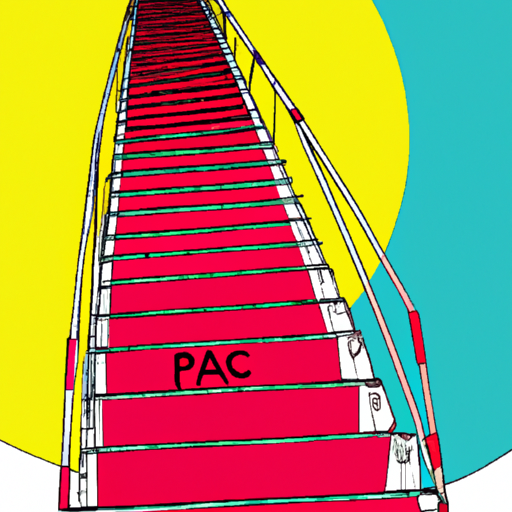
Chip Kidd is a graphic designer known for his iconic book cover designs. His visual style is characterized by bold, minimalist compositions that combine typography and imagery in unique and visually striking ways. He rose to fame in the 1980s and 1990s for his innovative covers for authors like Haruki Murakami and Bret Easton Ellis. Kidd's designs often feature attention-grabbing colors, unconventional layouts, and clever use of negative space, which have become signature elements of his style.

View StyleExplore Style
Example of visual style of In Touch Weekly

In Touch Weekly

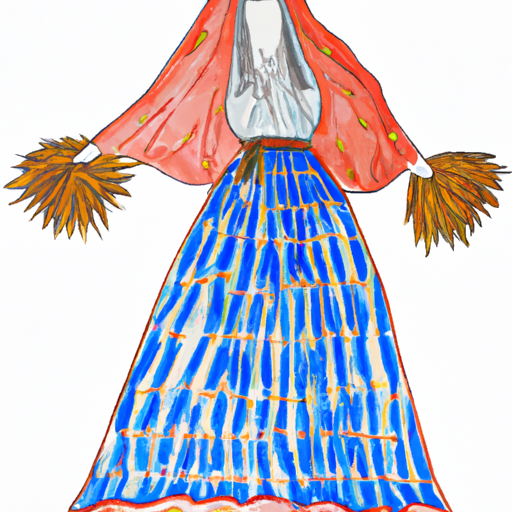
In Touch Weekly is a visual style that can be characterized by its vibrant and bold aesthetic. It is a popular style in the realm of celebrity gossip and entertainment news magazines. With its eye-catching layouts, colorful typography, and captivating imagery, In Touch Weekly effectively captures readers' attention. The style became famous in the early 2000s as it successfully tapped into society's fascination with celebrity culture and provided an outlet for the latest gossip and news. Its visually stunning covers and engaging content made it a staple in the world of entertainment journalism.

View StyleExplore Style
Example of visual style of Weird Art

Weird Art

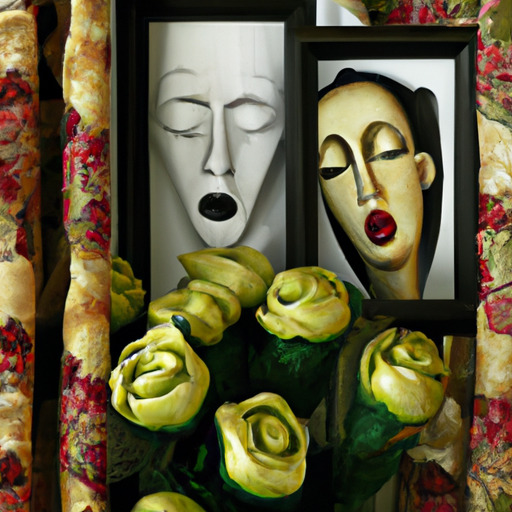
Weird Art is a visual style that emerged in the late 20th century and continues to be influential today. It is characterized by its unconventional, whimsical, and often surreal imagery. This style gained popularity in the 1990s with the rise of underground comics and alternative art movements. Artists like Salvador Dali and Hieronymus Bosch are considered pioneers of this style. Weird Art challenges traditional ideas of beauty and reality, incorporating strange, fantastical elements and exploring the subconscious. It often combines humor and absurdity with elements of horror and the grotesque. Taking inspiration from dreams, nightmares, and the absurdity of everyday life, Weird Art pushes the boundaries of artistic expression.

View StyleExplore Style
Home